Fish oil for dogs: 5 Critical Warning Signs & Benefits (2026)
Heads up: This post contains affiliate links. If you buy something through them, I earn a small commission at no extra cost to you. It keeps the lights on and the kibble bowl full. Read the full boring legal stuff here.
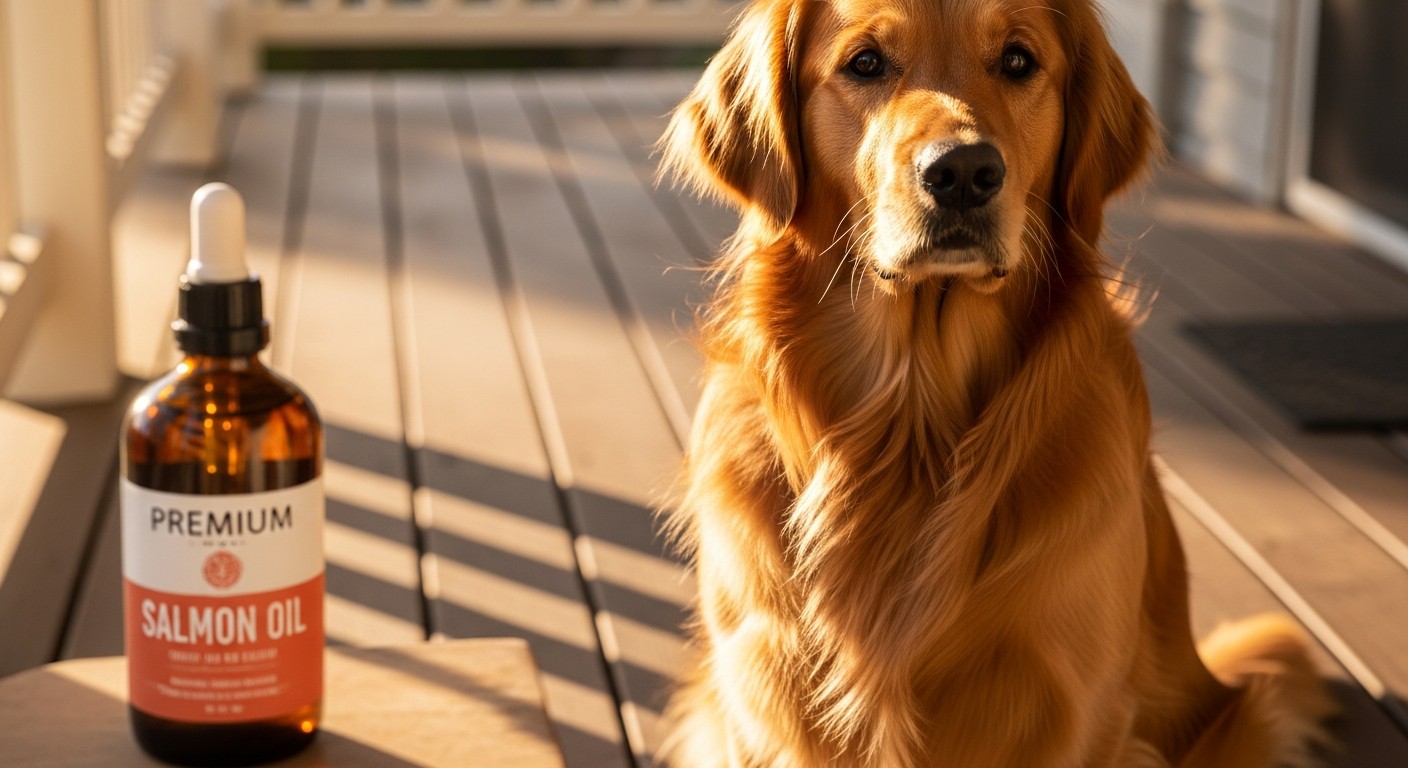
You probably looked at your dog scratching themselves raw or limping out of bed and thought a squirt of golden liquid would fix everything. The brutal reality of fish oil for dogs is that most owners are just pouring expensive, rancid fat over their pet's dinner and wondering why nothing changes. Here's what twenty years of dealing with allergy-ridden shelter dogs and navigating the cesspool of the supplement industry taught me about doing this right.
The supplement aisle is where good intentions go to die, usually accompanied by a marketing budget bigger than the GDP of a small country. I’ve seen owners spend hundreds of dollars on "premium" oils that were essentially oxidized poison by the time they opened the bottle, leading to more vet bills rather than fewer.
If you want to navigate the murky waters of Omega-3s without poisoning your dog or your wallet, you need to stop listening to the brochures and start looking at the chemistry. In my years testing supplements on my own pack and watching the fallout of bad dietary choices in rescue scenarios, I've learned that success lies in the boring, gross details that brands try to hide.
Understanding Omega-3s: Why Most People Get It Wrong
Let’s cut through the fluff: your dog’s body is a biological machine that is terrible at manufacturing its own anti-inflammatory agents. The industry loves to sell you "Omega-3 Enriched" kibble or treats, but by the time that bag sits in a hot warehouse for six months, those sensitive fats have degraded into nothingness.
The Flaxseed Lie
If you flip over a bottle of cheap "Omega" supplement and see flaxseed, put it back on the shelf and wash your hands. This is the biggest scam in the pet industry.
- Reality: Flax contains ALA (Alpha-linolenic acid).
- Common Misconception: People think ALA converts to EPA and DHA (the stuff that actually helps joints and skin).
- What Actually Happens: Dogs are carnivores. Their bodies are pathetically bad at converting plant-based ALA into usable EPA/DHA. We're talking conversion rates often below 10%. You are paying for expensive urine.
The Oxidation Trap
Fish oil is unstable. It hates oxygen, it hates light, and it hates heat. Yet, we buy it in clear plastic bottles and leave it on the kitchen counter next to the stove.
- The Chemistry: When fish oil oxidizes, it creates free radicals. Instead of reducing inflammation, you are literally feeding your dog pro-inflammatory oxidative stress.
- The Shelter Lesson: I once saw a donor drop off a case of expired salmon oil. We thought, "Better than nothing, right?" Wrong. Within a week, half the kennel had diarrhea and the other half had worse skin than when they started.
- The Fix: If you aren't treating this stuff like a volatile chemical compound, you're doing it wrong.
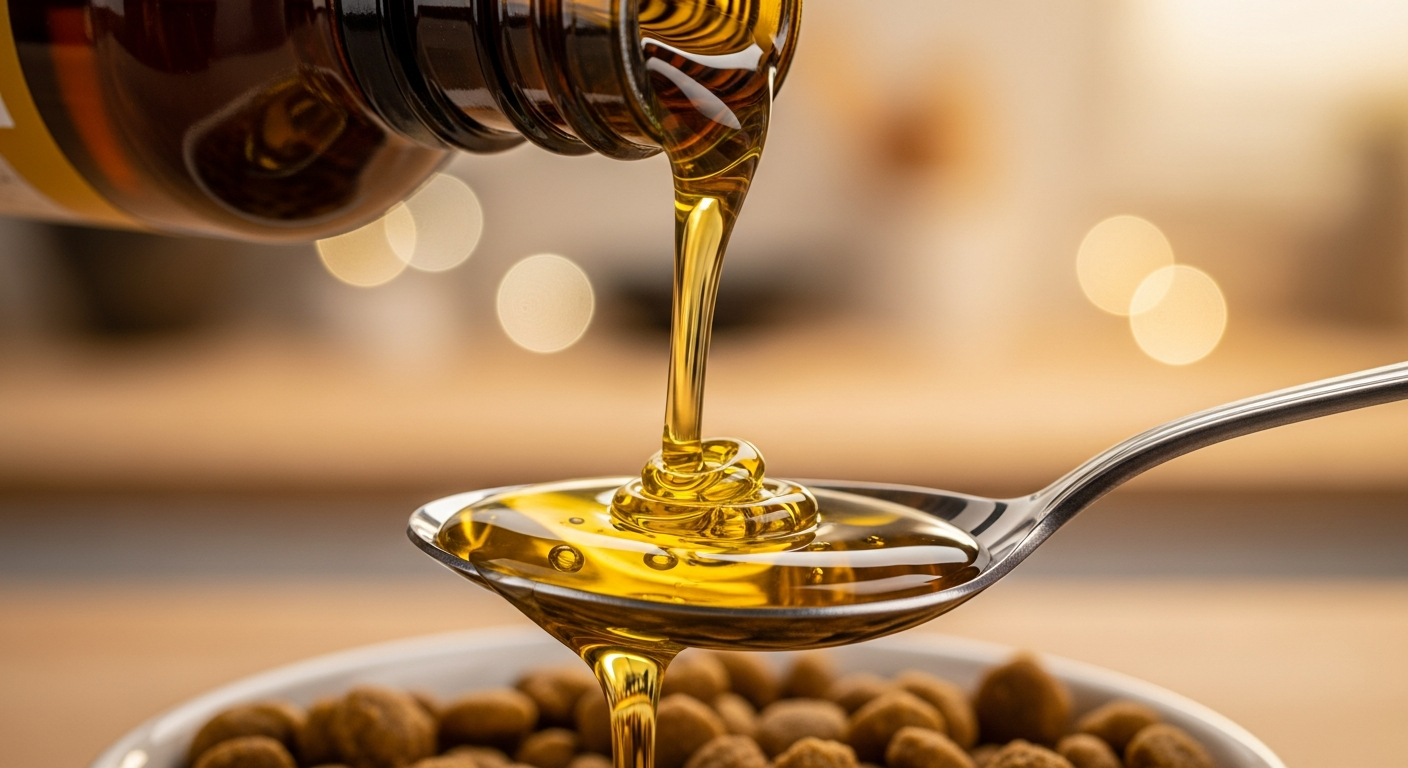
5 Critical Warning Signs
You clicked this because you're worried, and you should be. The margin for error with potent lipid supplements is narrower than the instructions suggest. In my experience, these are the five red flags that indicate your regimen is backfiring.
- Sign #1 - The "Dead Paint" Smell:
If you open the bottle and it smells like a rotting dock or old paint, that oil is rancid. Fresh fish oil should smell faintly of ocean, not death. Oxidized oil contains peroxides that damage cells. I've thrown away brand new $60 bottles because they failed the sniff test immediately upon opening. Do not feed this to your dog. - Sign #2 - The "Pudding" Poop:
If your dog's stool turns into a mucus-covered cow patty within 48 hours of starting the oil, you've overloaded their pancreas. Fat is hard to digest. I see this constantly with owners who skip the titration phase and go straight to the full dose. It’s a grease fire in their intestines, and you’re the one cleaning the carpet. - Sign #3 - The Dull, Greasy Coat:
Irony is cruel. You give fish oil for a shiny coat, but if you give too much without balancing Vitamin E, the coat will look greasy yet brittle. Fish oil requires the body to use up Vitamin E stores to process it. If you aren't supplementing E or using an oil that includes it, you create a deficiency that ruins the fur you're trying to fix. - Sign #4 - The Never-Ending Bleed:
Omega-3s are natural blood thinners. If your dog gets a minor scrape at the dog park and it takes twenty minutes to clot, you've thinned their blood too much. This is critical if your dog needs dental work or spaying. I always pull dogs off oil two weeks before any surgery, a lesson learned after a "routine" dental extraction turned into a bloody nightmare. - Sign #5 - Unexplained Weight Gain:
Oil is pure fat. It is the most calorie-dense substance you can feed. A tablespoon of oil is roughly 120 calories. For a Labrador, that's fine. For a Frenchie, that's a cheeseburger every day. If your dog is getting chunky but eating the same kibble, the oil is the culprit. You have to subtract kibble to add oil.
The Pancreatitis Risk Factor
I need to double down on item #2 because it lands dogs in the ER. Pancreatitis is an inflammation of the pancreas that is agonizingly painful and expensive to treat. High-fat diets trigger it.
If you have a Schnauzer or a dog with a sensitive stomach, throwing a pump of salmon oil on their food is playing Russian Roulette. I learned this the hard way with a foster terrier mix; $1,200 in emergency vet fluids later, I learned to respect lipid profiles.

The Protocol That Actually Works (Solutions)
Disclaimer: I am an experienced animal handler and writer, not a veterinarian. This advice comes from hands-on experience and trial and error. If your dog has a history of clotting disorders, diabetes, or pancreatitis, do not move a muscle without consulting a vet.
Forget what the back of the bottle says. Those "pumps per weight" instructions are often designed to make you use the product faster so you buy more. Here is the protocol I use to get clinical results without the side effects.
Step 1: The Sourcing Audit ($30-80 investment)
You cannot buy the cheapest option. You just can't. You need wild-caught, cold-pressed oil from small fish (anchovies/sardines) or wild salmon. Large predatory fish accumulate heavy metals like mercury. If the bottle doesn't say "molecularly distilled" or "third-party tested," it's trash.
I've seen incredible results with brands that prioritize transparency over flashy labels. If you want a no-nonsense option that balances high EPA levels with strict purity testing, Nordic Naturals Omega-3 Pet ↗ is the one I keep coming back to because their third-party analysis is actually legitimate.
Step 2: The Calculation (Time: 10 minutes)
Ignore "total fish oil" amounts. You are looking for the sum of EPA (Eicosapentaenoic Acid) and DHA (Docosahexaenoic Acid).
- Therapeutic Goal: Generally, vets recommend 50-75mg of combined EPA/DHA per kg of body weight for therapeutic issues (joints/skin).
- Maintenance Goal: 20-30mg per kg.
- The Math: If your 30kg (66lb) dog needs joint help, you're aiming for roughly 1,500mg - 2,200mg of EPA/DHA daily.
Many generic pumps only give you 500mg per squirt. You'd need to drown the food to hit the target. This is why potency matters. When I need a high-concentration oil that doesn't require pumping half the bottle per meal, I use Grizzly Salmon Oil Plus ↗ because their wild-caught sourcing yields a nutrient density that generic farmed salmon oil can't touch.
Step 3: The Slow Roll (Timeline: 2 Weeks)
Week 1: 25% dose. Introduce the oil literally drop by drop if you have a sensitive dog. Watch the poop.
Week 2: 50% dose.
Week 3: 75% dose.
Week 4: Full dose.
If at any point the stool gets loose, back off to the previous level and hold there for another week. Patience saves carpets.
Step 4: The Delivery System
Some dogs hate the texture of oil. It coats their tongue and they simply walk away from the bowl. I've dealt with picky eaters who would rather starve than touch wet kibble.
For those divas, you need a flavor profile that masks the "fishiness" or a cleaner oil. I've found that Zesty Paws Pure Wild Alaskan Salmon Oil ↗ tends to have a flavor profile that even the pickiest eaters in my rescue group seem to view as a treat rather than a medicine.
Alternatively, if you want something that feels less "processed" and more like a straightforward food topper, the Native Pet Omega Oil ↗ offers a limited-ingredient approach that works well for dogs with extensive allergy lists.

Prevention & Maintenance: Keeping the Oil (and Dog) Fresh
Buying the oil is the easy part. Keeping it from turning into a bottle of free radicals is where most people fail. I treat my fish oil like fresh raw meat, it has a ticking clock the moment the seal breaks.
The Fridge Mandate
I don't care what the bottle says about "cool, dry places." The only place for opened fish oil is the refrigerator. Cold temperatures slow down oxidation significantly.
- Cost: $0 (Space in your fridge door).
- Benefit: Extends usable life by 30-50%.
- The Test: Cold oil might get cloudy. That's normal (stearin precipitating out). It doesn't affect quality.
The 30-Day Rule
Do not buy the gallon jug for your Chihuahua to save money. Once opened, fish oil starts degrading.
- My Rule: Buy a bottle size that you will finish in 30 to 45 days max.
- The Mistake: Buying a 6-month supply. By month 4, you are feeding rancid oil. It’s false economy. You save $10 on bulk pricing and spend $200 on vet visits for dermatitis caused by oxidative stress.
Sourcing Integrity Check
Periodically re-check your brand. Companies get bought out by private equity firms, and suddenly the "Wild Alaskan" oil is being cut with farmed tilapia oil from halfway across the world.
I stick to brands that make their sourcing blatantly obvious on the packaging. For example, PetHonesty Wild Alaskan Salmon Oil ↗ is one I keep in rotation because they are consistently transparent about the origin of their catch, which is rare in this shady industry.
Common Mistakes: Why Most Fail
I’ve made all of these mistakes. I’ve cleaned up the vomit and paid the bills. Learn from my idiocy so you don't have to repeat it.
Mistake #1: The "Human Grade" Assumption
You think popping your own fish oil pill into the dog's bowl is smart. It’s not. Human capsules often contain flavorings (lemon is common to hide fish burps) or sweeteners like Xylitol which is toxic to dogs. Furthermore, the gelatin casing can be hard for some dogs to digest. Stick to canine-formulated liquids or prick the human capsule and squeeze it out, checking ingredients first.
Mistake #2: Ignoring Vitamin E
As mentioned in the warning signs, fish oil demands Vitamin E. Many cheap brands strip the oil during processing and don't add the E back in. Over time, your dog becomes deficient, leading to muscle weakness and immune issues. If your oil doesn't list Tocopherols (Vitamin E) as an added ingredient, you need to supplement it separately.
Mistake #3: The "More is Better" Fallacy
I once doubled a dose for a foster dog with severe mange, thinking it would heal faster. It didn't. It just gave him explosive diarrhea which dehydrated him and set his recovery back a week. Lipid absorption has a ceiling. Once you hit it, the rest is just expensive waste that irritates the gut.
Mistake #4: Mixing with Hot Food
If you cook for your dog or add warm water to kibble, do not add the oil while the food is steaming hot. Heat kills the Omega-3s instantly. It breaks the double bonds in the fatty acids. Add the oil right before serving, once the food is room temperature.
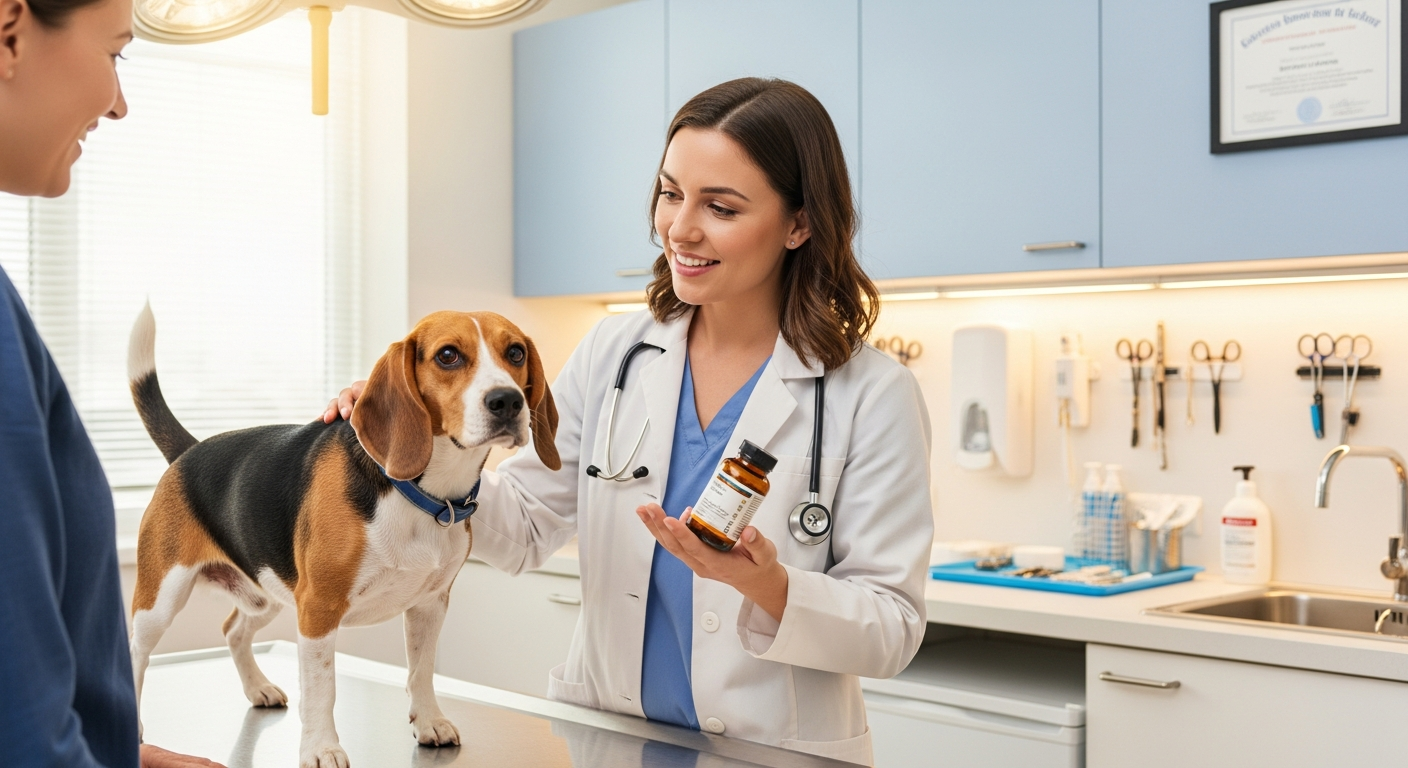
Quick Checklist: fish oil for dogs
- Smell Check: Sniff the bottle every single time. "Fishy" is okay; "Rotting Paint" is trash.
- Start Slow: Take 2-3 weeks to reach full dose to save your carpet.
- Refrigerate: Always, immediately after opening.
- Check EPA/DHA: Look for combined mg, not total oil volume.
- Watch Clotting: Stop 2 weeks before any surgery.
Missing multiple items? Fix them before you end up with a greased-up, sick dog.
Perfect dogs don't exist, I've failed enough times with my own pack to know that biology is messy and unpredictable. But armed with realistic expectations and a healthy skepticism of marketing labels, you can actually use these lipids to improve your dog's life rather than complicating it.
But armed with realistic expectations and these strategies, you can avoid the worst mistakes. Don't just buy the bottle with the happiest dog on the label. Look at the math, smell the oil, and treat it like the volatile medicine it is.
Start with a small bottle, clear a spot in the fridge, and watch the poop. It's not glamorous, but it works.
Related Articles on dog health:
🐾 Frequently Asked Questions
Q Can I give human fish oil to my dog?
Generally, yes, but it is risky. Human fish oil often contains flavorings (like lemon) or additives (like xylitol) that are toxic to dogs. It is safer to stick to products specifically formulated for canines to ensure correct dosage and safety.
Q How long does it take for fish oil to work for dogs?
Most owners see improvements in their dog's coat shine within 3 to 4 weeks. For joint issues and inflammation, it may take 6 to 12 weeks of consistent daily supplementation to observe significant mobility changes.
Q What are the side effects of too much fish oil for dogs?
Overdose can lead to gastrointestinal upset, including diarrhea, vomiting, and oily stools. Long-term excessive use can also interfere with blood clotting or lead to Vitamin E deficiency.
Q Is salmon oil better than regular fish oil for dogs?
Salmon oil is often preferred because it is high in EPA and DHA and usually derived from wild-caught sources, which may have fewer toxins than generic fish oils. However, high-quality small fish oils (like anchovy or sardine) are also excellent choices.
Q Does fish oil help with dog shedding?
Yes, the Omega-3 fatty acids in fish oil nourish the hair follicles and strengthen the skin barrier, which can significantly reduce excessive shedding and dander over time.

💬 Comments (0)
No comments yet. Be the first to share your thoughts! 👇
✍️ Leave a Reply