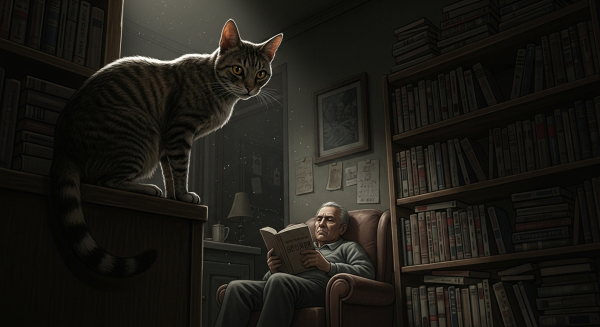
Cats rarely misbehave for no reason. Scratching, hiding, nighttime yowling, and litter box problems are usually instincts that have not been accommodated, or signs of stress, boredom, or discomfort.
This section helps you understand what your cat is telling you and how to respond. Guides explain cat body language from tail and ear positions to the slow blink, the subtle signs of affection, and when hiding is normal or a reason to worry.
Other articles explain why cats meow so much at night, what makes indoor cats stressed, and how mental stimulation through play and puzzles can transform a bored cat. Travel tips show how to make car trips and vet visits less frightening.
Every cat has its own personality, so these guides focus on adjusting the environment rather than forcing change. Any sudden change in behavior can also have a medical cause, which is why each guide explains when to check with your vet.