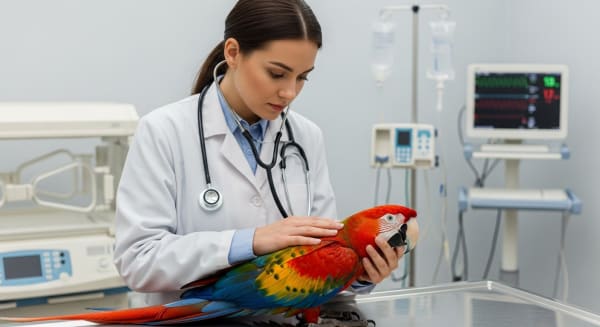
How to Find and Choose an Exotic Vet: 5 Mistakes to Avoid
How to find and choose an exotic vet before an emergency: real directories, questions to ask, and mistakes to avoid for reptiles, birds and small pets.
A reptile depends entirely on the environment you build for it. Temperature, light, humidity, and diet control its digestion, immune system, and bone health, so small husbandry mistakes can lead to serious illness over time.
This section brings together practical reptile care guides for owners who want to get the basics right. Setup articles cover enclosure size and layout, substrate choice, heating systems and thermostats, and UVB lighting.
Feeding guides explain how to gut load and dust feeder insects so they provide real nutrition. Health guides describe the most common conditions in captive reptiles, including metabolic bone disease, respiratory infections, impaction, and internal and external parasites, with the symptoms to watch for and when emergency care is needed.
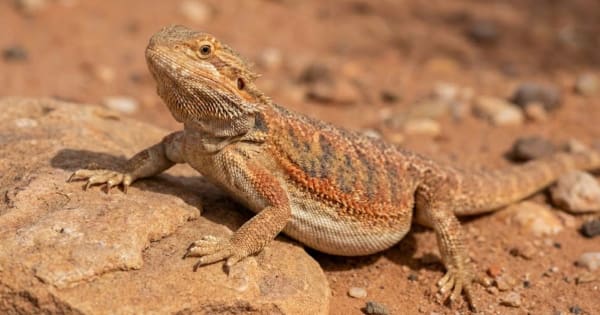
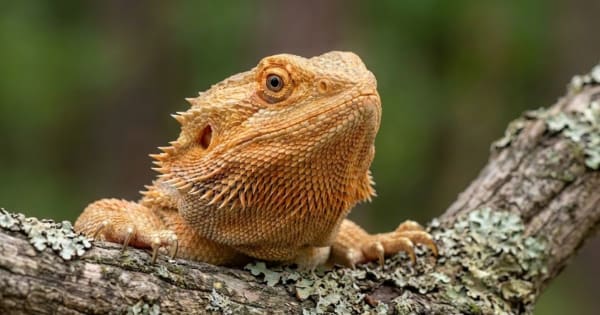
Species guides cover ball pythons, bearded dragons, leopard geckos, and crested geckos. Finally, a dedicated guide explains how to find an experienced exotic veterinarian before you need one, because early checkups catch many problems that are hard to see at home.

How to find and choose an exotic vet before an emergency: real directories, questions to ask, and mistakes to avoid for reptiles, birds and small pets.
How to spot internal and external parasites in reptiles: 7 warning signs, how vets test and treat them, and how to prevent mites.
What causes reptile impaction, the early and emergency signs, how vets treat it, and the husbandry habits that prevent it.
Reptile respiratory infections: early and advanced signs, what the vet will do, treatment, and the husbandry habits that prevent most cases.
Metabolic bone disease in reptiles: causes (UVB, diet, supplements, temperature), early and advanced signs, prevention, and what vet treatment involves.
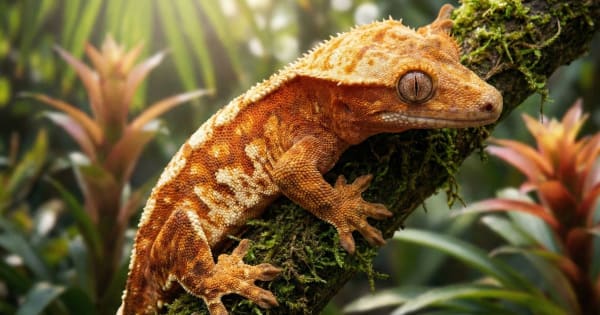
Crested gecko care made simple: the right humidity cycle, healthy live plants and drainage, UVB, and the common mistakes to avoid.
Leopard geckos are low-maintenance, not no-maintenance. Learn proper setup, temperatures, calcium and UVB, safe substrates, and how to prevent impaction.
Exact temperature and humidity ranges, enclosure setup and feeding tips for ball pythons, plus what to do when your snake refuses to eat.
What bearded dragon care really involves: enclosure size, heat and UVB, diet by age, health problems, and the beginner mistakes to avoid.
Gut-load and dust crickets, dubia roaches and black soldier fly larvae the right way so your reptile gets real nutrition and avoids bone disease.
UVB lighting for reptiles: Ferguson zones and UV index by species, T8 vs T5 HO vs mercury vapor lamps, when to replace bulbs, and signs of bone disease.
Halogen, ceramic heat emitter, heat mat or DHP? Compare reptile heat sources, see why every heater needs a thermostat, and build a safe heating plan.