
How to Find and Choose an Exotic Vet: 5 Mistakes to Avoid
Last updated: October 4, 2026. This article is for general information and does not replace advice from your veterinarian. How we write our articles.
This post contains affiliate links. If you buy something through them, I earn a small commission at no extra cost to you. Details.
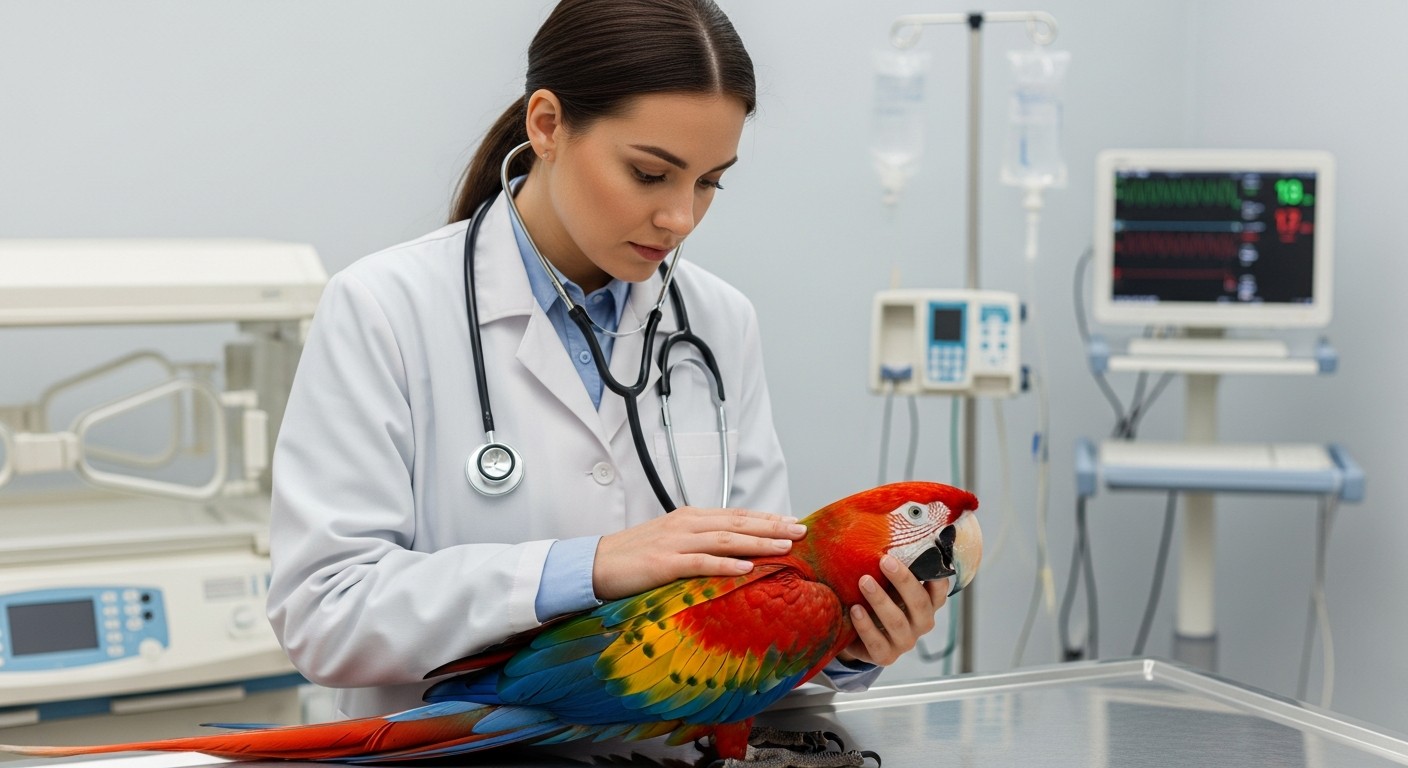
Most people treat finding a vet like finding a mechanic: they wait until smoke is pouring out from under the hood before looking up a number. The hard truth is that by the time you need an exotic vet for an emergency, it is often too late to start searching. Here is how to navigate a medical system that wasn't built for your species.
Understanding the Gap: Why Experience With Your Species Matters
Your friendly neighborhood veterinarian, the one who has taken great care of your Golden Retriever for ten years, may not be the right doctor for your iguana or parrot. This isn't because they are bad people or incompetent doctors; it is because veterinary training and daily practice are built around dogs and cats, and exotics are a small share of the caseload.
A common scenario in exotic medicine goes like this: a well-meaning owner takes a sick guinea pig to a dog-and-cat clinic. The vet, trying to help but lacking species-specific training, prescribes an antibiotic that is safe for a puppy but can destroy the gut flora of a hindgut fermenter. The animal then deteriorates, not from the original illness, but from the treatment. The Merck Veterinary Manual warns that some antibiotics that are safe for other pets can cause severe digestive upset and even death in guinea pigs.
What "All Creatures" Really Means
Marketing can be misleading. You will see clinics with signs boasting "We Treat All Creatures Great and Small." It’s a lovely sentiment that looks great on a brochure. In reality, many of these clinics mostly treat dogs and cats.
- The Generalist Trap: Exotic medicine is only a small part of a general veterinary degree. Unless that vet pursued extra training, internships or board certification specifically for exotics, they may be relying on dog and cat physiology that doesn't apply to reptiles or birds.
- Equipment Deficiencies: Many standard clinics don't have anesthesia monitoring equipment suited to a 30-gram budgie. They may not have the micro-surgical tools or the specialized warming incubators required for reptiles.
- The Confidence Game: Not every vet will admit they don't know how to treat a Bearded Dragon. Some improvise instead, and drugs or injection sites that are fine for mammals can cause serious harm in reptiles.
The Economics of Exotic Care
Here is the business side. An exotic exam requires a detailed husbandry review and a longer consultation than a routine dog or cat visit, and many owners of small, inexpensive pets hesitate to pay for one. That is part of why experienced exotic vets are harder to find.
Because of this, experienced exotic vets often charge more. Be wary of rock-bottom prices for exotic exams: a rushed visit leaves little time for a fragile species. You are paying for the knowledge that keeps your animal alive, not just the 15 minutes in the room. A cheap but inexperienced vet can end up being the most expensive choice.

5 Common Mistakes to Avoid
These are the mistakes that most often turn a manageable health issue into an emergency.
- Mistake #1: Waiting for Symptoms. By the time a prey animal (which includes most exotics like rabbits, birds, and lizards) shows you they are sick, they may already be seriously ill. They tend to hide weakness. If you wait until your bird is fluffed up or your lizard stops eating to start looking for a vet, you lose precious time. You need a vet before you need a vet.
- Mistake #2: Trusting the Pet Store Referral. Pet store staff are not medical professionals. A "vet list" handed out in store tells you nothing about a clinic's experience with your species. Always check a clinic's exotic credentials yourself before trusting a referral.
- Mistake #3: The "Closest Clinic" Fallacy. Convenience is a luxury exotic owners rarely have. Choosing a vet because they are five minutes away instead of driving 45 minutes to a specialist can be dangerous. Many exotic owners travel an hour or more to see a qualified avian or reptile vet, and that trip is part of responsible ownership.
- Mistake #4: Ignoring the "After Hours" Plan. Emergencies rarely happen at 2:00 PM on a Tuesday. They tend to happen at 11:00 PM on a holiday weekend. Many general emergency clinics have little or no exotic experience, so call ahead before you drive. If your primary exotic vet doesn't have an on-call protocol or a relationship with a 24-hour facility that actually knows exotics, you are taking a real risk.
- Mistake #5: Price Shopping for Procedures. Searching for the cheapest vet to neuter a rabbit is a common and risky habit. Anesthesia carries a much higher risk in rabbits than in dogs and cats: in a large UK study of more than 185,000 anesthetized or sedated pets (Brodbelt et al., 2008), the risk of anesthetic related death was 1.39% in rabbits, against 0.17% in dogs and 0.24% in cats, and most other small species had even higher risks. A cheap surgery may mean older anesthetic protocols, no IV catheter, and no dedicated nurse monitoring heart rate. Saving a little money is not worth that risk.

Some problems, like impaction, cannot wait. Know the signs of reptile impaction and when it is an emergency.
The Protocol: How to Actually Vet the Vet
Disclaimer: This article is for general information and is not written by a veterinarian. It is designed to help you find a qualified professional, not to replace their medical judgment once you are in their care.
Stop searching "vets near me" and hoping for the best. You need a targeted approach to find the people who actually know what they are doing. Here is a process that can save you money and, more importantly, your animal's life.
Step 1: The Database Deep Dive
Start with the specialty databases. Board certified specialists (Diplomates) are listed by the American Board of Veterinary Practitioners, which certifies vets in avian, exotic companion mammal, and reptile and amphibian practice. Members of the exotic veterinary associations are not necessarily specialists, but membership shows a real interest in these species.
- Action: Search the Find a Vet directories of the Association of Avian Veterinarians (AAV), the Association of Reptile and Amphibian Veterinarians (ARAV), or the Association of Exotic Mammal Veterinarians (AEMV), and the ABVP Find a Specialist tool.
- Cost: Free.
- Timeline: 30 minutes.
- The Filter: Shortlist the clinics that appear here, then confirm their experience with your species by phone. Not every good exotic vet is listed, so a missing name is a reason to ask questions, not proof of poor care.
Step 2: The Phone Call
Once you have a list, you call them. Do not book an appointment online. You need to hear the receptionist's voice when you ask specific questions. You are looking for hesitation.
The Script:
"Hi, I'm looking for a new vet for my [Species]. Can you tell me which doctor sees them and how many of this species they see per week?"
- Good Answer: "Dr. Smith sees bearded dragons daily. In fact, she's in surgery with one right now."
- Bad Answer: "Oh, Dr. Jones can take a look at it." (A vague answer suggests little experience with your species.)
- The Trap Question: Ask about a specific husbandry requirement. For a reptile, ask "Do you require a stool sample for parasites?" For a rabbit, ask "How long do you fast rabbits before surgery?" Rabbits cannot vomit, so the long fast used for dogs and cats is not needed. The Merck Veterinary Manual advises against fasting a rabbit for more than 3 hours and suggests only a short fast of 1 to 2 hours so the mouth is free of food. If the answer is "overnight, like a dog," keep looking.
Step 3: The Transport Test
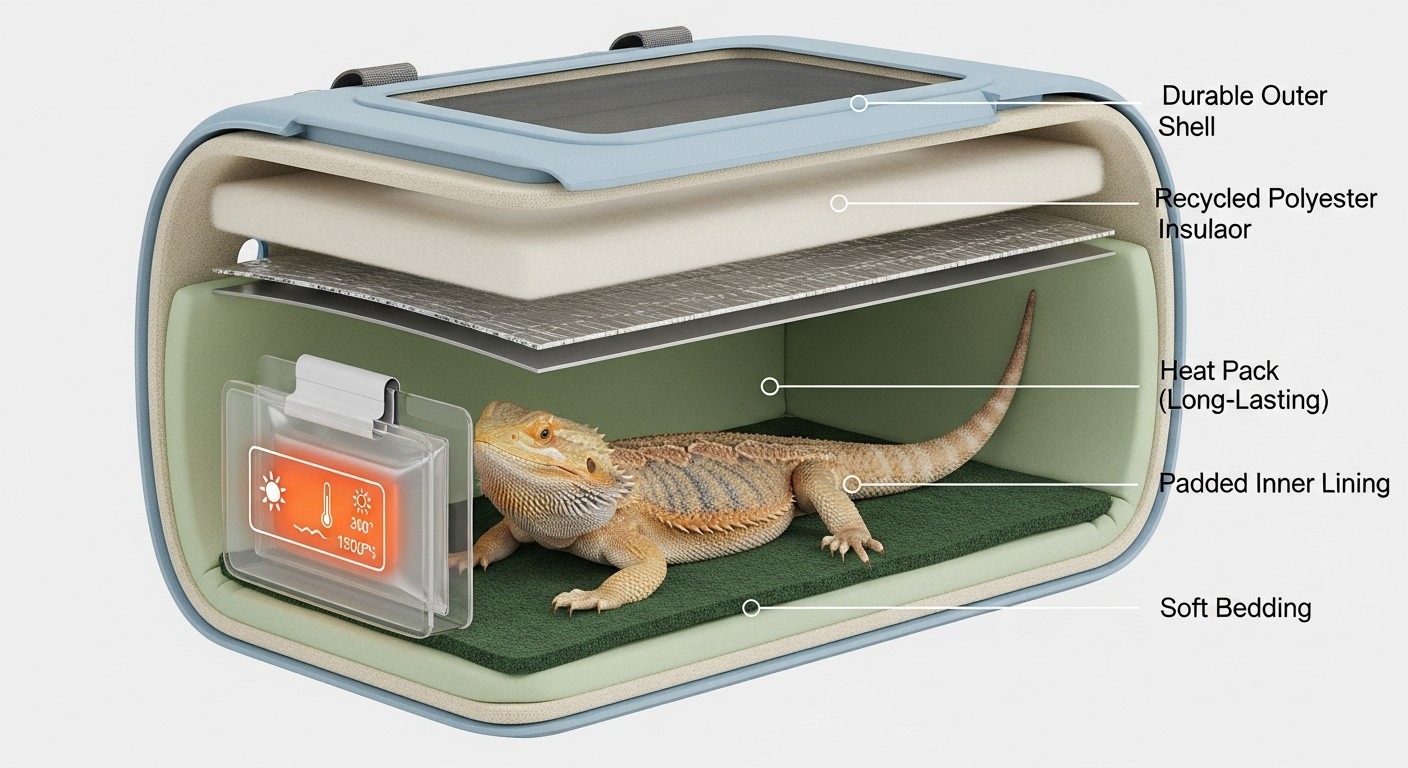
Before you even book the appointment, make sure you can get the animal there safely. Reptiles can suffer serious harm from cold during winter trips in a cardboard box, and cats can panic and overheat when carried in laundry baskets.
- Secure the Carrier: You need something escape-proof. For cats and small mammals, avoid flimsy carriers that fall apart. The Petmate Two Door Top Load Kennel is a good option because top-loading allows the vet to lift a frightened animal out gently rather than pulling them out, which sets a better tone for the exam.
- Temperature Control: If you are transporting a reptile or bird, temperature is life. Reptiles depend on outside heat, and a chilled animal arrives stressed and sluggish. For longer trips, pack a UniHeat Shipping Warmer wrapped in a towel. These 72 hour packs are made for shipping live reptiles, insects and fish, and give gentle heat (the listing quotes an average of about 70°F in a standard 1 cubic foot shipping box). Hand warmers can get much hotter. Never let the pack touch the animal directly, and leave room for it to move away from the heat.
- Timeline: Buy this gear before the emergency. Trying to find heat packs at 9 PM is rarely possible.
Step 4: The First "Wellness" Exam
Book an appointment when your animal is healthy. It costs money, but it buys you two things: a baseline for what "normal" looks like for your specific pet, and "client status." When an emergency hits, many clinics can fit in an existing patient more easily than a stranger, whose records they have never seen.
What to bring:
- Photos of your enclosure (lighting, bedding, size).
- Brand names of all food and supplements.
- A fresh stool sample (for parasites).
Prevention: Building Your Defense
The best way to survive the vet experience is to minimize how often you face a crisis. Many problems seen in exotic pets are husbandry problems: incorrect temperatures, humidity, lighting, or diet slowly make the animal sick.
Data is Your Shield
You cannot detect illness in exotics by gut feeling. You need hard data. For reptiles, if you don't know your exact temperature gradient, you are flying blind. Stick-on analog thermometers can be inaccurate and only read one spot. An infrared thermometer such as the Zoo Med ReptiTemp Digital Infrared Thermometer (this listing is a pack of four) lets you check the surface temperature of the basking spot and the cool side in seconds. It reads surfaces, not air, so keep a probe thermometer for air temperature too. If the numbers are off, fix the setup before anything else.
The Emergency Kit
While you wait for your appointment, you may need to stabilize the animal. A basic triage kit at home isn't about playing doctor, it's about buying time.
- Wound Care: For minor scrapes or bites while waiting for the vet, use a gentle wound rinse. Vetericyn Plus Wound Care Spray is a hypochlorous spray that the listing describes as non toxic, pH balanced and safe if licked. It can flush minor cuts and scrapes until the vet sees the animal.
- Nutritional Support: When a herbivore such as a rabbit or guinea pig stops eating, the gut can slow down or stop (GI stasis), which can quickly become life threatening. The Merck Veterinary Manual advises prompt veterinary care when a rabbit stops eating. Contact your vet immediately and ask about assisted feeding. Oxbow Critical Care for Herbivores is a widely used assist feeding formula for syringe feeding herbivores. Keep it on hand, and use it as your vet directs.

A first fecal exam is one of the best reasons for an early visit. Learn about internal and external parasites in reptiles.
Questions to Ask Before Your First Appointment
A short phone call can tell you a lot about a clinic before you ever bring your animal in. Ask these questions and listen for specific, confident answers:
- How many patients of this species do you see each month? A clinic that sees reptiles or rabbits every week will be far more prepared than one that sees a few per year.
- Which veterinarian handles exotics, and what extra training do they have? Look for membership in groups such as the Association of Reptile and Amphibian Veterinarians (ARAV), the Association of Exotic Mammal Veterinarians (AEMV), or the Association of Avian Veterinarians (AAV), or board certification in avian, reptile, or exotic companion mammal practice.
- Do you have species-appropriate equipment? Small-animal anesthesia monitors, heated recovery cages, and scales accurate to the gram are basic requirements.
- Can you run blood work in house, or do you send it out? Faster results matter when a small animal is declining.
- What happens after hours? Ask which emergency hospital they refer exotic patients to at night and on weekends.
Schedule a Wellness Exam Early
Book a routine check within the first weeks of bringing a new pet home. A baseline exam gives the vet normal weight and blood values for comparison later, screens for parasites and congenital problems, and lets you test the clinic before an emergency forces the decision. Most exotic species benefit from a yearly exam, and older animals often need one every six months.
Keep a Health File
Write down your pet's weight, diet, enclosure temperatures, and any changes in appetite or droppings. Bring this file to every visit. Exotic animals hide illness well, and a written record often reveals a slow decline that is easy to miss day to day.
Common Red Flags in the Exam Room
You’ve done your research, you found a vet, and you’re in the room. Now pay close attention. Even "good" clinics can have bad days or new staff who aren't up to speed. Here is what to watch for.
Red Flag #1: Improper Restraint
If a vet tech lifts your rabbit without supporting its hindquarters, ask them to stop. Rabbits kick powerfully, and the Merck Veterinary Manual notes that a struggling rabbit that is not restrained securely can easily fracture or dislocate the vertebrae of its lower back. If they grab a lizard by the tail, that is a red flag: many lizards can drop their tail when grabbed. A good exotic vet team moves slowly, uses towels for "burrito" wraps, and respects the animal's stress levels. If they restrain your animal roughly, look for another clinic.
Red Flag #2: The "Wait and See" Approach
With dogs, "wait and see" is often fine. With birds and reptiles, "wait and see" can cost days they do not have. A vet who sends you home with no diagnostics (no blood, no fecal smear, no X-ray) on a visibly sick exotic is doing you a disservice. They should be aggressive with diagnostics because these animals crash fast. If they aren't offering tests, ask for them. If they refuse, find another vet.
Red Flag #3: Generic Drug Dosing
Watch how they calculate doses. Drug doses vary widely between exotic species. Exotic vets work from species specific references such as an exotic animal formulary. If the vet isn't consulting one, be wary. Doses estimated from "cat size" can cause serious organ damage.

Quick Checklist: How to find & choose an exotic veterinarian
- Check Credentials: Are they ABVP board certified, or members of AAV, ARAV, or AEMV?
- Verify Experience: Do they see your species weekly, not just annually?
- Assess Equipment: Do they have microsurgical tools and appropriate heating?
- Confirm Emergency Protocol: Where do you go at 2 AM?
- Test Knowledge: Ask a trick question (e.g., how long they fast rabbits before surgery).
Missing a few? Sort them out now, before an emergency.
Perfect animal care doesn't exist. There will be times when you do everything right and genetics or a fast-moving illness still win.
A little preparation now means that, when something goes wrong, you already know who to call.
Start by looking up the specialty organizations today. It's not glamorous work, scrolling through databases and making awkward phone calls, but it's the only way to ensure your exotic pet gets good care when it gets sick.
Frequently Asked Questions
What is the difference between a regular vet and an exotic vet?
A regular vet focuses on cats and dogs, while an exotic vet has specialized training, equipment, and often board certification (ABVP) to treat reptiles, birds, and small mammals safely.
How much does an exotic vet visit cost compared to a regular vet?
Exotic exams often cost more than a routine dog or cat visit because they take longer and include a detailed review of housing, lighting, temperatures and diet. Prices vary a lot by region and clinic, so ask for the exam fee when you call, along with the cost of common tests such as a fecal exam.
How do I verify if a veterinarian is truly an exotic specialist?
Check for board certification from the American Board of Veterinary Practitioners (ABVP) in Avian, Exotic Companion Mammal, or Reptile and Amphibian Practice, using the ABVP Find a Specialist tool. The Find a Vet directories of the AAV, ARAV and AEMV list vets with a strong interest in these species, but membership alone is not a certification, so also ask how often they treat your species.
What should I ask before booking an appointment for my exotic pet?
Ask how many animals of your specific species they treat weekly, if they have appropriate hospitalization tanks/cages, and if they have after-hours emergency support for exotics.
Can I use a telemedicine vet for my exotic pet?
Telemedicine can help with husbandry questions and with deciding how urgent a problem is, especially if you live far from an exotic vet, and rules on what a vet can do remotely vary by state and country. It cannot replace a physical exam, blood work or X-rays when your pet is sick.

Related Articles
Parasites in Reptiles: 7 Warning Signs and Treatment
How to spot internal and external parasites in reptiles: 7 warning signs, how vets test and treat them, and how to prevent mites.

Reptile Impaction: Causes, Symptoms & Emergency Care Guide
What causes reptile impaction, the early and emergency signs, how vets treat it, and the husbandry habits that prevent it.
Reptile Respiratory Infections: Symptoms & Treatment Guide
Reptile respiratory infections: early and advanced signs, what the vet will do, treatment, and the husbandry habits that prevent most cases.

Metabolic Bone Disease in Reptiles: Prevention & Treatment
Metabolic bone disease in reptiles: causes (UVB, diet, supplements, temperature), early and advanced signs, prevention, and what vet treatment involves.

Crested Gecko Care: Humidity, Plants & Common Mistakes
Crested gecko care made simple: the right humidity cycle, healthy live plants and drainage, UVB, and the common mistakes to avoid.

Leopard Gecko Care: Setup, Diet & Common Mistakes
Leopard geckos are low-maintenance, not no-maintenance. Learn proper setup, temperatures, calcium and UVB, safe substrates, and how to prevent impaction.
Comments (0)
No comments yet. Be the first to share your thoughts!
Leave a Reply