
Parasites in Reptiles: 7 Warning Signs and Treatment
Last updated: October 4, 2026. This article is for general information and does not replace advice from your veterinarian. How we write our articles.
This post contains affiliate links. If you buy something through them, I earn a small commission at no extra cost to you. Details.
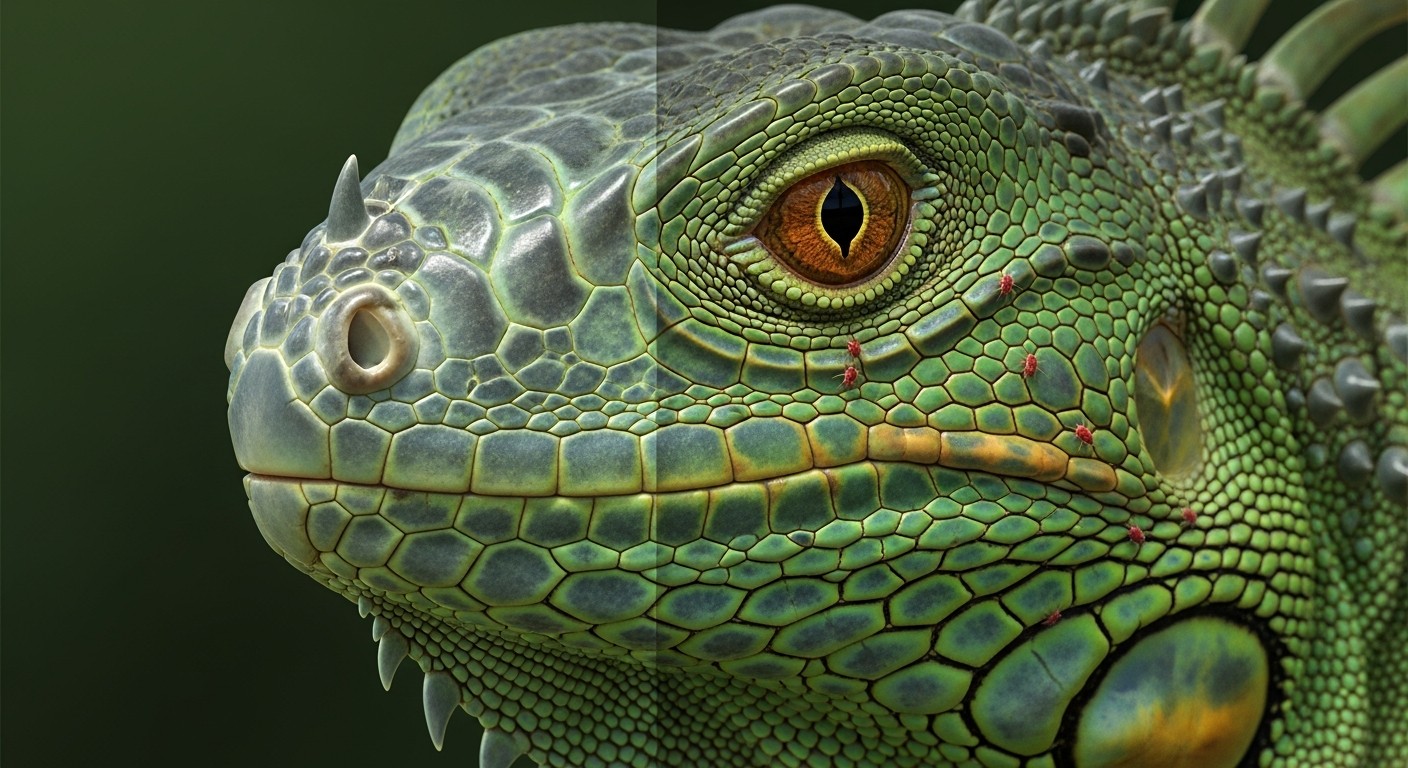
Reptiles are often sold as low-maintenance pets, but bringing one home also means bringing in a miniature ecosystem, one that often includes uninvited guests. The truth is that most keepers do not notice parasites until their animal is dangerously emaciated or the enclosure is crawling with visible pests.
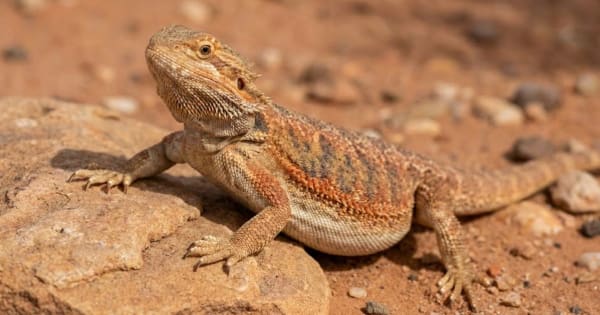
Reptiles with heavy parasite loads can become badly underweight, so regular checks matter.
Parasites aren't just an annoyance; they drain your animal’s resources, stealing nutrients and causing stress that shuts down immune systems. Whether it’s a wild-caught import loaded with nematodes or a captive-bred gecko that picked up mites at a reptile show, the infestation is usually well underway before you spot the first symptom.
"Clean" animals are a myth, and proactive caution is the only strategy that works. Here is how to spot parasites early and deal with them.
Understanding Parasites: Why Most People Get It Wrong
There is a common misconception in the hobby that buying a "captive bred" animal guarantees it is parasite-free. Unfortunately, this is not always true. While wild-caught animals often carry high parasite loads, captive collections can also become breeding grounds for mites and protozoa due to poor quarantine practices and overcrowding.
The "Wild Caught" vs. "Captive Bred" Reality
Sellers love to label a deli cup "CB" (Captive Bred) and charge a premium, implying the animal is sterile and healthy. Here's the reality:
- The Expo Vector: Even healthy animals pick up mites (external) or cryptosporidium (internal) just by being on the same table as an infected animal at a show.
- The Stress Factor: Parasites often live in balance with a host in the wild. Capture, transport and the wrong temperature or humidity cause stress that weakens the immune system, and the parasites take over.
- The Invisible Load: Most reptiles carry a low load of commensal organisms. It becomes "parasitic" only when the population explodes because the animal is stressed.
The Types of Parasites
External parasites are the ones you can see; internal parasites often show up only as weight loss or poor appetite.
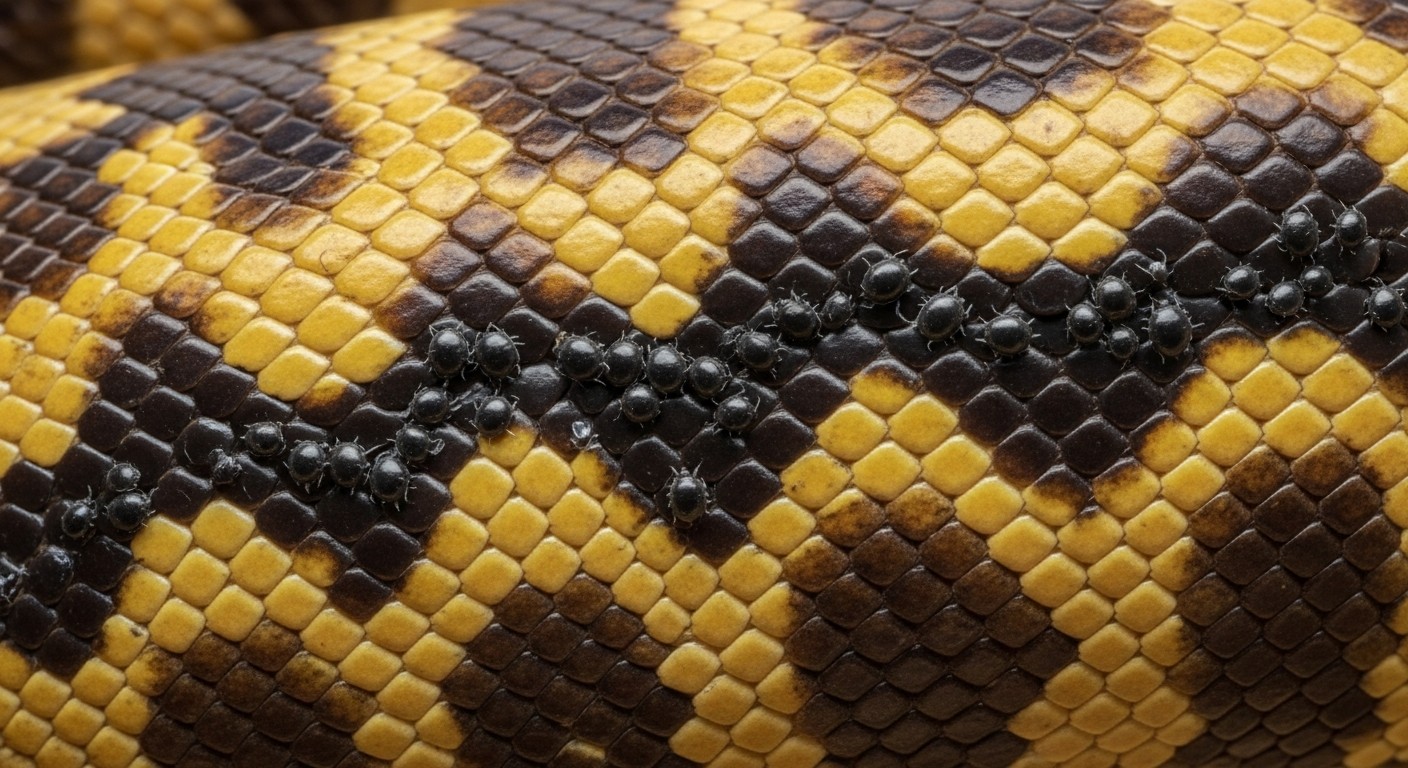
- External (Ectoparasites): Primarily mites and ticks. Mites look like moving dust (red, black, or grey). They suck blood, may spread infections, and cause intense irritation.
- Internal (Endoparasites): This includes worms (nematodes, tapeworms, pinworms) and protozoa (coccidia, giardia, cryptosporidium). These destroy the gut lining, cause dehydration, and prevent nutrient absorption.
If you think you can spot internal parasites just by looking at the poop, you're guessing. A bearded dragon can pass perfectly solid stools while carrying a heavy coccidia load. You need a microscope, not intuition.
7 Signs You're Missing: The Parasite Checklist
Parasites are easy to miss until an animal has lost a lot of weight. Here are 7 signs to watch for; if you see them, book a fecal test with your vet.
- Sign #1: The "Healthy Eater" Weight Loss: This is the classic sign of internal worms. Your reptile is eating like a champion, maybe even more than usual, but the tail is getting thinner and the ribs are showing. The parasites are stealing the calories before the animal can absorb them. If you aren't weighing your reptile monthly on a gram scale, you are flying blind. Sudden weight drops of 10% or more without a hunger strike are a massive red flag.
- Sign #2: The Water Bowl Soak: If a terrestrial reptile that usually hates water (like a Bearded Dragon or Ball Python) starts soaking in their water bowl for hours or days at a time, it’s not because they are having a spa day. They are trying to drown the mites crawling on their skin. Mites hate water, so the animal submerges to get relief from the biting. If you see this, check the water for tiny black specks floating on the surface, those are drowned mites.
- Sign #3: The "Rubbing" Behavior: A reptile with external parasites feels like you would if you were covered in mosquitoes. They will be restless, rubbing their heads or bodies against rough decor, rocks, or the glass sides of the enclosure. This isn't shedding behavior (which usually looks more systematic); this is frantic irritation. They are trying to mechanically scrape the bugs off their scales.
- Sign #4: The Unexplained Hiding (Lethargy): Reptiles hide when they feel vulnerable. Being sick makes them feel like prey. If your usually social Blue Tongue Skink or curious Gecko suddenly spends two weeks in the cool hide refusing to come out, something is wrong. Parasites cause anemia (blood loss) and systemic malaise. A lethargic reptile is often an anemic reptile, drained of energy by blood-suckers or gut-destroyers.
- Sign #5: Abnormal Stool Consistency/Smell: Reptile waste naturally has an odor, but parasitic infections often produce an unusually foul, overwhelming scent. Beyond the smell, look for consistency changes: diarrhea, mucus-coating, or blood are bad signs. Sometimes, in severe nematode infestations, you will actually see adult worms in the stool. If you see that, the infestation is massive.
- Sign #6: Raised Scales and "Dust": Look closely at your reptile’s eyes, armpits (axillary areas), and the vent. These are the soft spots where mites congregate. You might see raised scales because mites are wedged underneath them. You might see what looks like poppy seeds or ash moving around. If you crush one of these specks and it leaves a smear of red blood, it is very likely mites.
- Sign #7: Regurgitation: This is a severe sign. If your snake or lizard eats a meal and then throws it back up 2-3 days later, partially digested, their body is rejecting the effort of digestion. While this can be caused by low temperatures, in a heated tank, it’s often a sign of Crypto (Cryptosporidiosis) or a heavy worm load blocking the intestines. This is an emergency; regurgitation dehydrates a reptile incredibly fast.
Solutions: The Treatment Protocol That Works
Disclaimer: This article is for general information and is not written by a veterinarian. The advice below is for managing external parasites and supporting recovery. Internal parasites (worms/protozoa) require prescription medication (Panacur, Ponazuril, etc.) that you must get from a vet based on a fecal test. Do not guess with over-the-counter dewormers: the wrong drug or dose can be toxic.
For external parasites (mites), you can usually treat them at home, but it takes several weeks. You must treat the animal AND the environment simultaneously.
Step 1: The Triage and Setup
With a heavy mite infestation, most vets and keepers advise stripping the enclosure completely, including a bioactive one: most treatments that kill mites also kill isopods and springtails. Ask your vet before you start.
- Remove the Animal: Place them in a simple plastic tub with paper towels. This is their home for the next 6 weeks.
- Strip the Tank: Throw away all substrate. Wood and porous rocks must be either boiled for 30 minutes or baked in the oven at 250°F for 2-3 hours. If it’s plastic, bleach it. If you can’t bake it or bleach it, trash it.
- Cost Reality: You will lose some substrate and decor. Don't try to save a bag of bark and reinfect your animal.
Step 2: Treating the Animal (External Mites)
You need to kill the mites on the reptile without poisoning the reptile. This is a delicate balance.
For immediate relief, you need a spray that is potent but safe for direct application. JurassiPet JurassiMite is a popular option formulated to target mites, fleas and ticks, which the maker describes as safe for reptiles when used as directed. Always follow the label and combine it with a full enclosure clean.
The Procedure:
Apply the spray (avoiding eyes and nose), let it sit for a few minutes, then wipe the animal down. You will see dead mites coming off on the cloth. Repeat this every 3 days for 2-3 weeks to catch new hatchlings.

Step 3: Treating the Enclosure
While the animal is in the quarantine tub, you need to thoroughly deep-clean and disinfect the main tank. Mites lay eggs in the silicone corners and under the plastic rim.
Remove all organic waste first with hot soapy water, then disinfect the empty tank with a reptile-safe disinfectant your vet recommends, and rinse well. For glass, a cleaner such as Exo Terra Terrarium Glass Cleaner removes mineral deposits and calcium stains afterwards. It is not a disinfectant.
Scrub the corners with a toothbrush. Rinse. Repeat. Let it dry completely. A dry tank kills mite eggs better than a damp one.
Step 4: Managing Internal Parasites (The Vet Visit)
For worms and protozoa, you need a "Fecal Float and Smear."
Process: Put a fresh poop sample in a Ziploc bag. Keep it in the fridge (not freezer) if you can’t go immediately. The vet looks under a microscope, identifies the specific egg, and prescribes the specific medication to treat it.
Supportive Care:
Parasites drain fluids. A dehydrated reptile cannot metabolize medication well. To help them bounce back, add a supplement to their soaking water. Zoo Med Reptile Electrolyte Soak used during warm baths provides B vitamins and electrolytes that help restore the fluid balance lost to diarrhea or blood-sucking mites.
Diagnosis and treatment belong with a qualified reptile vet. Here is how to find and choose an exotic veterinarian.
Prevention: Building Your Fortress
If you think prevention is expensive, try paying an emergency vet bill. Prevention is mostly about discipline, not money.
The Quarantine Protocol (The Rule Everyone Breaks)
Every new reptile, regardless of source, goes into quarantine. No exceptions.
The Setup: Plastic tub, paper towel substrate, plastic hide, water bowl.
The Timeline: Minimum 60 days. 90 is better.
The Logic: Mites have a lifecycle. You might not see them for 30 days. Internal parasites might not shed eggs in every stool. You need time to observe.
Hygiene Discipline
Cross-contamination is how you kill your whole collection.
Tools: Don’t use the same feeding tongs for your new gecko and your established boa.
Hands: Wash your hands between animals. Hand sanitizer is your best friend.
Substrate: Spot clean daily. Deep clean monthly. If it smells, you waited too long.

Hygiene starts with the right enclosure. See our guide to reptile enclosure and habitat setup.
Common Mistakes: Why Most Fail
Many keepers battle mites for months because they keep making the same rookie errors. Here is how to avoid the frustration loop.
Mistake #1: The "Olive Oil" Remedy
Internet forums love to suggest coating your snake in olive oil or vegetable oil to suffocate mites.
Why it fails: It makes a mess, it damages the scales if left on too long, and it doesn't kill the eggs in the tank. You end up with a greasy, miserable snake that still has mites two weeks later. Use actual parasiticides.
Mistake #2: Stopping Too Early
You treat the animal once, the mites disappear, and you put them back in the display tank.
Why it fails: Mite eggs take days or weeks to hatch. You killed the adults, but the next generation is waiting in the woodwork. You must continue treatment for at least one full lifecycle (a few weeks, ask your vet) after the last visible mite is gone.
Mistake #3: Ignoring the Environment
Treating the animal but not the cage is like showering and putting your dirty clothes back on. Most mites in an infestation are in the enclosure, not on the animal. If you don't treat the surrounding area, including the carpet outside the tank, you will get re-infested.
Mistake #4: Using Mammal Products
Do not use dog or cat flea collars, sprays, or spot-ons unless explicitly directed by a specialized vet. Pyrethrins and permethrins can be neurotoxic to reptiles at the wrong dosage, and cut-up flea collars placed in tanks have caused seizures and deaths in snakes.
Quick Checklist: Internal & external parasites in reptiles
- Weigh Monthly: Weight loss is the #1 sign of internal issues.
- Quarantine Everything: 60 days minimum in a separate room.
- Check the Water: Soaking reptiles usually mean mites.
- Treat the Tank: The enclosure is the reservoir for pests.
- Vet for Worms: You cannot diagnose or treat internal parasites without a microscope and prescription.
- No Home Remedies: Skip the oil remedies; use a mite treatment recommended by your vet.
Missing a few? Sort them out with your vet before small problems become big ones.
Perfect reptile keeping doesn't exist. Even the best zoos get mites occasionally. The difference between a minor nuisance and a dead animal is how fast you react.
Don't wait for your reptile to look sick: regular fecal tests at the vet and a quarantine for every new animal catch most problems early.
Start by buying a gram scale and checking your animal's weight today. It's not glamorous, but it’s the single most useful tool you have to catch problems before they become tragedies.
Frequently Asked Questions
What are the first signs of internal parasites in reptiles?
The most common early signs include sudden weight loss despite a good appetite, lethargy, sunken eyes, and abnormal droppings (runny, bloody, or extremely foul-smelling).
How do I check my reptile for external mites?
Inspect the areas around the eyes, ears, and armpits. Mites often look like tiny moving black, red, or grey dots. Soaking your reptile in a white bowl of water can often cause mites to detach and become visible against the white plastic.
Can I treat reptile parasites at home?
External parasites like mites can often be treated at home with a reptile-safe mite spray such as the one described above, together with a full enclosure clean, but internal parasites require a vet prescription. You cannot diagnose the specific type of worm or protozoa without a fecal test.
Can humans catch parasites from reptiles?
Yes, some internal parasites (zoonotic diseases) like Salmonella and certain nematodes can be transferred to humans. Always wash hands thoroughly after handling reptiles or cleaning their enclosures.
How often should I deworm my reptile?
Reptiles do not need a preventative deworming schedule like dogs. Instead, perform a fecal exam with your exotic vet once a year, or immediately if you suspect an infection.

Related Articles
How to Find and Choose an Exotic Vet: 5 Mistakes to Avoid
How to find and choose an exotic vet before an emergency: real directories, questions to ask, and mistakes to avoid for reptiles, birds and small pets.
Reptile Impaction: Causes, Symptoms & Emergency Care Guide
What causes reptile impaction, the early and emergency signs, how vets treat it, and the husbandry habits that prevent it.
Reptile Respiratory Infections: Symptoms & Treatment Guide
Reptile respiratory infections: early and advanced signs, what the vet will do, treatment, and the husbandry habits that prevent most cases.

Metabolic Bone Disease in Reptiles: Prevention & Treatment
Metabolic bone disease in reptiles: causes (UVB, diet, supplements, temperature), early and advanced signs, prevention, and what vet treatment involves.

Crested Gecko Care: Humidity, Plants & Common Mistakes
Crested gecko care made simple: the right humidity cycle, healthy live plants and drainage, UVB, and the common mistakes to avoid.

Leopard Gecko Care: Setup, Diet & Common Mistakes
Leopard geckos are low-maintenance, not no-maintenance. Learn proper setup, temperatures, calcium and UVB, safe substrates, and how to prevent impaction.
Comments (0)
No comments yet. Be the first to share your thoughts!
Leave a Reply