
Reptile Impaction: Causes, Symptoms & Emergency Care Guide
Last updated: October 11, 2026. This article is for general information and does not replace advice from your veterinarian. How we write our articles.
This post contains affiliate links. If you buy something through them, I earn a small commission at no extra cost to you. Details.
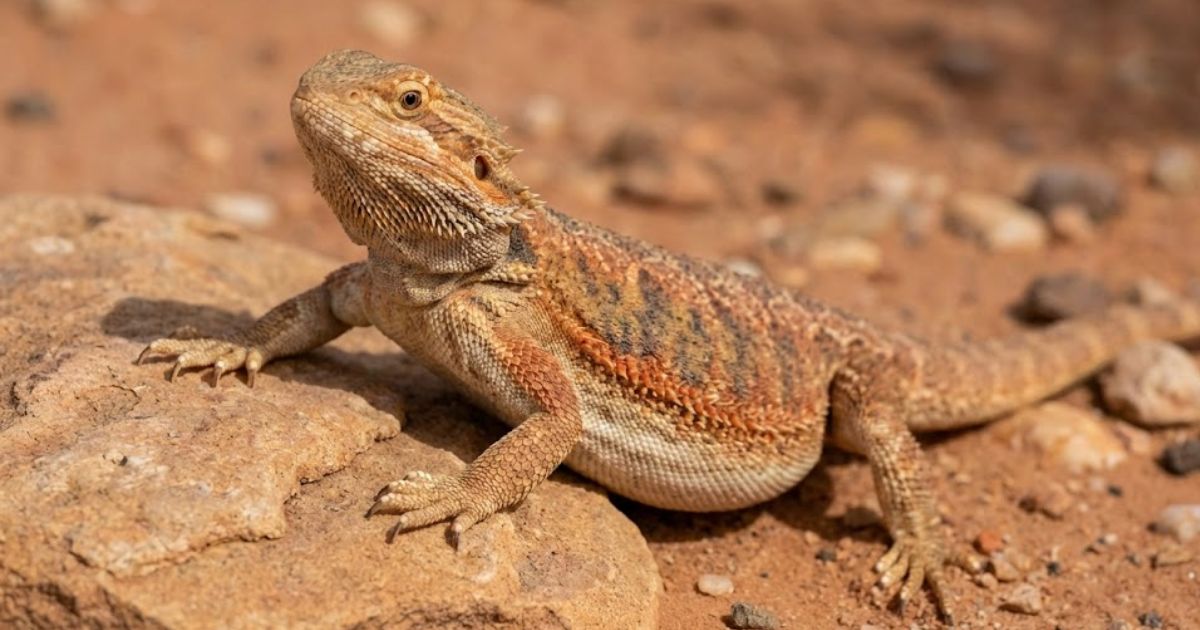
Impaction, also called gastrointestinal obstruction, often starts quietly: a reptile that eats a little less, or poops a little less often. Caught early, it is usually manageable. Left alone, it can end in emergency surgery. Early intervention by a veterinarian is always the safest route.
Here is what impaction is, why it happens, how to recognize it early, and how to prevent it.
What Is Reptile Impaction?
Impaction occurs when something blocks your reptile's digestive tract, preventing the normal passage of food and waste. The blockage can be partial or complete, and a complete blockage is a surgical emergency, not a "wait and see" situation.
The blockage can be made of substrate, food items that are too large, foreign objects such as small decorations, or simply dried, compacted stool. Where it sits matters: a blockage in the stomach behaves differently from one in the intestines, in its symptoms and in its treatment.
Behind the blockage, food and waste keep building up. Digestion stalls, bacteria multiply in the stagnant material, and the reptile can become seriously ill.
The Real Causes: It's Rarely Just Substrate
Substrate gets most of the blame online, but it is rarely the only cause. Impaction usually happens when several things go wrong at once, and the most common ones are temperature, hydration and food size.
Temperatures That Are Too Low
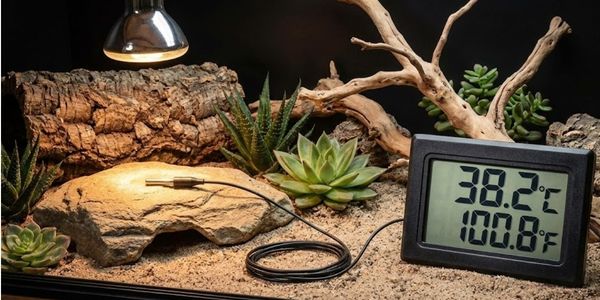
Reptiles rely on outside heat to digest. When they are kept too cold, digestive enzymes and gut movement slow down, and food can sit in the gut, dry out and compact into a blockage. Low temperatures are one of the most common husbandry problems behind digestive trouble.
Your hand is not a thermometer. Use a digital thermometer on both sides of the enclosure, and check the basking surface with an infrared thermometer or a probe.
Dehydration
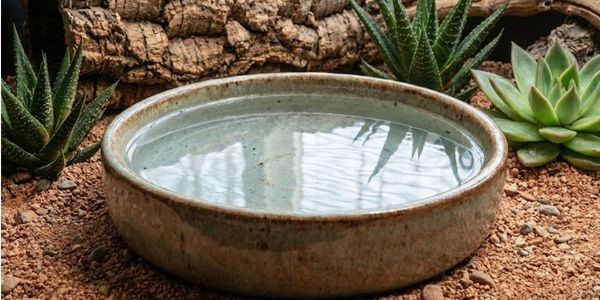
Without enough water, intestinal contents dry out and become hard to pass. Dehydration can come from low humidity (for species that need it), a water bowl that is hard to reach or buried under substrate, or illness that stops the reptile from drinking. A dehydrated reptile is more likely to become impacted whatever its substrate.
Food That Is Too Large
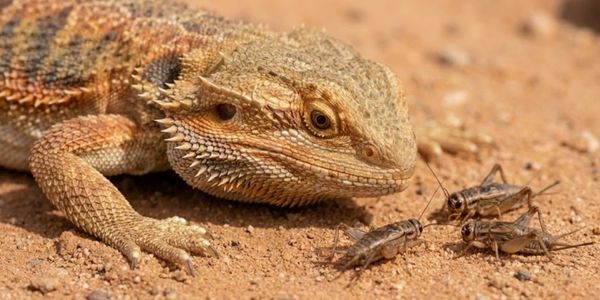
A common rule of thumb is that insects should be no wider than the space between your reptile's eyes. Prey that is too big can lodge in the digestive tract or take too long to digest. This matters most for young and small reptiles.
Swallowed Substrate
Substrate can contribute. Reptiles may swallow it while catching prey, while exploring, or sometimes when their diet lacks minerals. In a healthy reptile kept at the right temperatures and well hydrated, small amounts of a suitable fine substrate usually pass. In a reptile that is too cold, dehydrated or sick, the same substrate is much more likely to cause trouble.
Risky Substrates
Some substrates do raise the risk on their own: calcium sand (marketed as digestible, but widely discouraged by reptile vets), crushed walnut shell (sharp and indigestible), small pebbles and gravel, and cedar or pine shavings (their aromatic oils are not suitable for reptiles).
For juveniles, sick animals and reptiles in quarantine, paper towels or tile are the safest choice: they remove one risk while you make sure everything else is right.
Underlying Health Problems
Parasites, metabolic bone disease, old injuries and other illnesses can all slow digestion. Intestinal parasites damage the gut lining, and metabolic bone disease weakens the muscles the gut needs to move food along. A reptile that is already unwell is more prone to impaction.
Early Symptoms
Impaction usually develops gradually, and early signs are easy to miss. Noticing them makes treatment much simpler.
- Eating less. Skipping meals or showing less interest in food than usual. Reptiles with gut discomfort often eat less before any other sign appears.
- Pooping less often. Going longer than usual between bowel movements. This is often the first sign keepers notice, which is why it helps to know your reptile's normal rhythm.
- Lethargy. Less basking, more hiding, less movement. On its own it can mean many things; together with digestive signs, it points to the gut.
- Sitting in the water bowl. A reptile that suddenly spends hours soaking may be uncomfortable.
- Restlessness. Difficulty settling, or lying in unusual positions.
If you see these signs, don't wait for it to pass. Check your temperatures and water, and call your vet.
Advanced Symptoms: See a Vet Now
These signs mean a veterinary emergency. Home care is not enough at this stage.
- No food and no stool for several days.
- A swollen or distended belly, sometimes with a hard mass you can feel when gently touching the abdomen.
- Straining with no result, or passing only small amounts of liquid or urate. This suggests a complete or near-complete blockage.
- Regurgitation or vomiting. When nothing can move forward, food may come back up, with a risk of aspiration pneumonia.
- Weakness or paralysis of the back legs. This is particularly reported in bearded dragons: a large impaction can press on the spinal nerves, causing temporary or sometimes permanent weakness.
- Trembling or difficulty moving. This can also be a sign of metabolic bone disease; only a vet, often with X-rays, can tell them apart.
- A visible lump along the side or back. In severe cases, the impacted mass can be seen from the outside.
Species Most at Risk
Any reptile can become impacted, but some species are seen more often for it, often because they are popular as "beginner" pets.
- Bearded dragons. Very popular, often kept too cool, and prone to hind-leg weakness when an impaction presses on the spinal nerves.
- Leopard geckos. Ground dwellers that are sometimes kept on risky substrates or fed oversized insects. See our leopard gecko care guide for safe setup tips.
- Blue-tongued skinks. Enthusiastic eaters that can swallow substrate along with their food.
- Tortoises. Especially young or sick individuals, which may eat substrate. Their slow metabolism means symptoms can stay subtle for a long time.
- Snakes such as corn snakes and ball pythons. Usually from swallowing substrate with prey, or from swallowing an object in the enclosure.
Diagnosis: What the Vet Does
- Physical exam and husbandry questions. The vet feels the abdomen and asks about substrate, temperatures, diet, recent changes and when symptoms started. Precise, honest answers help a lot, so bring photos of the setup and your temperature readings.
- X-rays. The key test. They show where the blockage is, its size and density, and whether it is a foreign object or compacted stool. Two views are usually taken.
- Fecal exam. If anything is still being passed, it is checked for parasites and blood.
- Blood work. To assess hydration, kidney function and signs of infection.
- Ultrasound, in some cases, when X-rays are not conclusive.
Treatment Options
Treatment depends on how severe the impaction is, where it sits and what it is made of. A severe impaction cannot be treated at home, and home attempts can make it worse.
Mild Cases (Under Veterinary Guidance)
- Warm soaks. Shallow, lukewarm (not hot) water, for a duration your vet recommends. Warmth and hydration can help a mild impaction move.
- Gentle belly massage during the soak, only if your vet has shown you how. Too much pressure can injure the gut.
- Hydration. More frequent water, higher humidity for species that need it, or fluids given by the vet if the reptile is dehydrated.
- Correct temperatures. Keeping the basking spot at the upper end of the right range for the species supports digestion.
- Diet. For herbivorous and omnivorous species, your vet may suggest moist, high-fiber foods. Plain canned pumpkin (not pie filling), such as Libby's 100% Pure Pumpkin Puree, is one option vets sometimes suggest in small amounts.
- Oils or laxatives, only if your vet prescribes them and at the dose they give. Do not use castor oil or human laxatives.
Veterinary Treatment
- Enemas or flushing through the cloaca, effective for blockages low in the intestine.
- Prescription medication to help the gut move, at species-specific doses.
- Fluid therapy to correct dehydration and support the kidneys.
- Hospitalization for severe cases that need close monitoring.
Surgery
When other treatments fail, or the blockage is a large object or complete obstruction, the vet may need to operate (a coeliotomy) to remove it. Outcomes are much better when surgery happens before the gut wall is damaged. Recovery takes weeks and includes pain relief, often antibiotics, fluids and a gradual return to food.
Prevention
Most impactions are preventable with good husbandry. These are the habits that matter most.
Get the Temperatures Right
Use digital thermometers rather than stick-on strips. A thermometer-hygrometer such as the TempPro TempAir (2-pack) shows air temperature and humidity with 24-hour highs and lows, so you can place one on the warm side and one on the cool side. To check the basking surface itself, add an infrared thermometer or a probe thermometer. Check daily: bulbs fail and thermostats can drift. Our guide to reptile heating systems and thermostats explains how to set this up.
Keep Your Reptile Hydrated
Offer fresh water every day in a bowl your reptile can easily reach. If you use tap water for drinking or soaking, a conditioner such as Zoo Med ReptiSafe Water Conditioner removes chlorine and chloramine. Keep humidity in the right range for the species, and soak species that benefit from it, such as many tortoises. Learn the signs of dehydration: sunken eyes, and skin that stays tented when gently pinched.
Feed the Right Size
Offer insects no wider than the space between your reptile's eyes, whole prey that matches a snake's girth, and vegetables cut into manageable pieces for herbivores. A kitchen scale such as the Etekcity Food Scale (1 g increments) lets you weigh your reptile regularly, so you notice weight loss early.
Choose Substrate Wisely
For species that dig or burrow, a suitable loose substrate (for example a mix of topsoil, play sand or coconut coir designed for the species) is fine once temperatures and hydration are right. Avoid calcium sand, walnut shell, small pebbles and cedar or pine. For juveniles, sick reptiles and quarantine, use paper towels, newspaper or tile.
Watch Your Reptile Eat
If your reptile picks up a lot of substrate with its food, use a feeding dish, feed with tongs, or feed in a separate container. Watching meals also helps you notice early changes in appetite.
Keep Up With Health Checks
Regular fecal tests catch parasites early. Provide the UVB and calcium your species needs to prevent metabolic bone disease, and book regular check-ups with a reptile vet.
Know What Is Normal
How often a reptile poops varies a lot by species, age and diet: some go daily, others weekly. Learn your reptile's normal pattern so you notice when it changes, and call your vet early rather than waiting weeks.
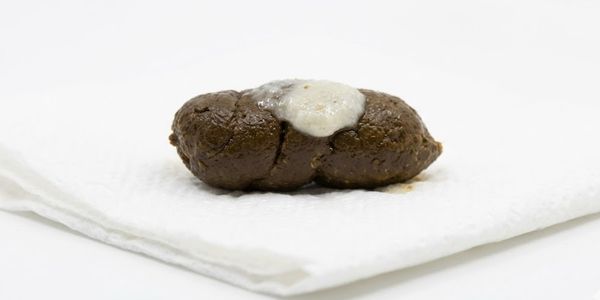
When Impaction Becomes Life-Threatening
Not every impaction can be saved, even with surgery and intensive care. The outlook depends on how early treatment starts, what the blockage is made of and the reptile's overall health. Serious complications include a tear in the intestinal wall with infection of the body cavity, death of part of the intestine when its blood supply is cut off, lasting nerve damage to the back legs (especially in bearded dragons), and infection spreading through the bloodstream. These complications are the reason early signs deserve a vet visit.
Prevention Costs Far Less Than Treatment
Good thermometers, a safe substrate, properly sized feeders and a sturdy water dish cost little, and most of that equipment lasts for years. Treating impaction can involve X-rays, enemas, medication, hospitalization and sometimes surgery and weeks of follow-up. Costs vary by clinic and region, but they add up to far more than good equipment, and prevention carries none of the risks of anesthesia or surgery.
Common Myths
- "All loose substrate causes impaction." Oversimplified. Substrate is usually a contributing factor when temperatures, hydration or food size are wrong, and some substrates (like calcium sand) are riskier than others.
- "Impaction will pass on its own." Mild constipation sometimes resolves with warmth and water, but a true impaction usually gets worse without treatment.
- "A warm bath fixes everything." Soaks can help mild cases caught early, under veterinary guidance. They do not fix complete blockages or foreign objects.
- "Only juveniles get impacted." Young reptiles are more vulnerable, but adults get impacted too.
- "My reptile hasn't pooped in weeks but seems fine." Reptiles tend to hide illness. If the gap is unusual for your reptile, call your vet.
Key Takeaways
- Impaction usually comes from several problems together: low temperatures, dehydration, oversized food, risky substrate or illness.
- Warm, well-hydrated reptiles fed the right size of food rarely become impacted, even on a suitable loose substrate.
- Eating less and pooping less are the early signs. Act on them.
- Swelling, straining, regurgitation or weak back legs mean an emergency vet visit.
- Home care is only for mild cases, and only with your vet's guidance.
References & Scientific Sources
- Divers SJ, Stahl SJ (eds.). (2019). Mader's Reptile and Amphibian Medicine and Surgery (3rd ed.). Saunders/Elsevier. sciencedirect.com
- ARAV (Association of Reptile and Amphibian Veterinarians). Resources for reptile owners. arav.org
Frequently Asked Questions
Does loose substrate always cause impaction in reptiles?
No. Healthy reptiles with proper temperatures, adequate hydration, and appropriately sized food rarely develop substrate impaction. Loose substrate usually becomes a problem only when husbandry is already failing. If your enclosure's temperature is too low to support digestion, or if the reptile is dehydrated, everything stops moving. Always verify your temperatures and hydration first.
How long can a reptile go without pooping before it's impaction?
It depends entirely on the species and the individual's normal habits. Some poop daily, while some snakes wait weeks. The key is knowing their baseline. If your reptile goes twice as long as their normal timeframe without defecating, or shows signs of lethargy and appetite loss, book an exotic vet appointment immediately.
Can I give my reptile a laxative from the pharmacy?
Absolutely not. Human laxatives are formulated for mammalian metabolism and can be toxic or cause severe intestinal damage in reptiles. For mild, early constipation, your vet may suggest warm soaks, more hydration and, for plant-eating species, a little unsweetened pumpkin puree. Actual pharmaceutical laxatives must be accurately dosed and prescribed by a qualified veterinarian.
When does impaction require surgery versus conservative treatment?
A veterinarian makes this determination using X-rays. Mild impactions with partial passage can often be managed conservatively with hydration therapy, enemas, and temperature optimization. Complete obstructions, large foreign objects, or cases causing systemic illness or paralysis require immediate surgical intervention before intestinal tissue dies. Early vet visits are the best way to avoid surgery.
My reptile seems fine but hasn't pooped in weeks. Should I worry?
Yes. Reptiles are prey animals instinctively wired to hide weakness and illness until they are critically ill. Prolonged constipation creates increasing intestinal pressure and dehydration, eventually leading to a complete obstruction. "Seems fine" often just means their survival instincts are working. If they miss their normal bathroom schedule significantly, see a vet.

Related Articles
How to Find and Choose an Exotic Vet: 5 Mistakes to Avoid
How to find and choose an exotic vet before an emergency: real directories, questions to ask, and mistakes to avoid for reptiles, birds and small pets.
Parasites in Reptiles: 7 Warning Signs and Treatment
How to spot internal and external parasites in reptiles: 7 warning signs, how vets test and treat them, and how to prevent mites.
Reptile Respiratory Infections: Symptoms & Treatment Guide
Reptile respiratory infections: early and advanced signs, what the vet will do, treatment, and the husbandry habits that prevent most cases.

Metabolic Bone Disease in Reptiles: Prevention & Treatment
Metabolic bone disease in reptiles: causes (UVB, diet, supplements, temperature), early and advanced signs, prevention, and what vet treatment involves.

Crested Gecko Care: Humidity, Plants & Common Mistakes
Crested gecko care made simple: the right humidity cycle, healthy live plants and drainage, UVB, and the common mistakes to avoid.

Leopard Gecko Care: Setup, Diet & Common Mistakes
Leopard geckos are low-maintenance, not no-maintenance. Learn proper setup, temperatures, calcium and UVB, safe substrates, and how to prevent impaction.
Comments (0)
No comments yet. Be the first to share your thoughts!
Leave a Reply