
The 3 AM Scream: Why Do Cats Meow So Much at Night (And How to Save Your Sanity)
Last updated: October 4, 2026. This article is for general information and does not replace advice from your veterinarian. How we write our articles.
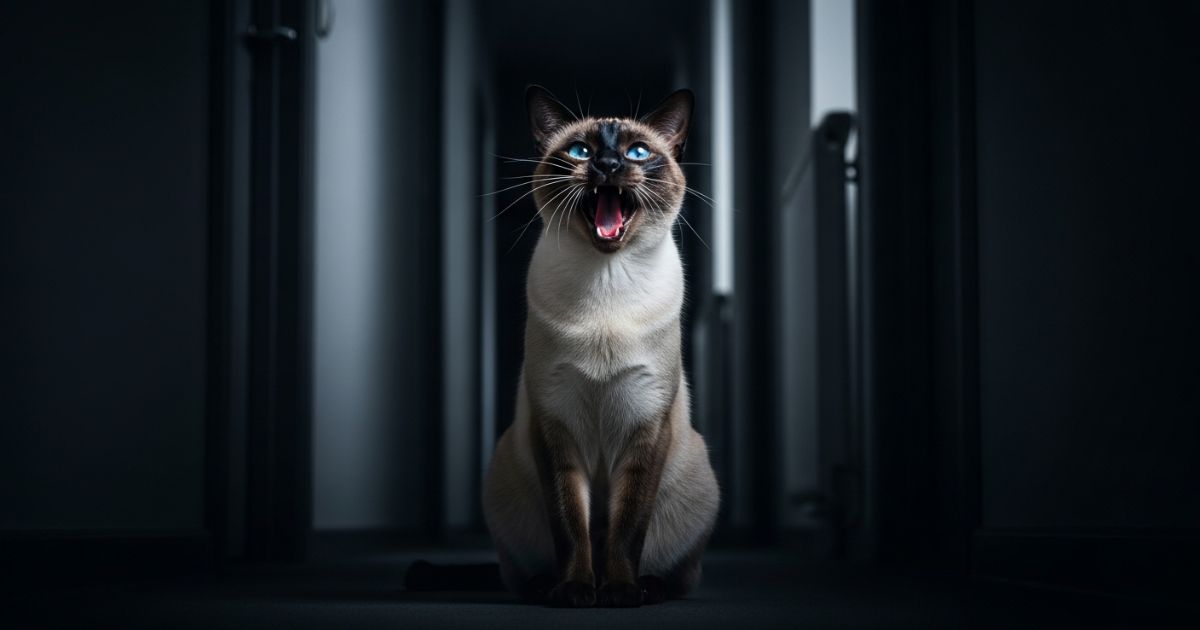
Anyone who has ever lived with a vocal cat knows the deep, bone-weary exhaustion of interrupted sleep.
Cats are naturally most active at dawn and dusk, and many treat 3:00 AM as prime time. A single house cat crying at a closed bedroom door night after night can take a real toll on your sleep and your patience.
If you're dealing with this, you aren't alone.
Most owners just guess at the solution, so they offer extra food, try to shoo the cat away, or shut them in another room.
Usually, none of that works, because the noise is an indicator that a core need isn't being met.
Whether it’s a misaligned daily routine, a medical issue, or just the boredom of an active animal with nowhere to direct its energy, the cause is specific.
We are going to break down the reasons behind the nocturnal crying so you can actually address the root of the problem, you can’t fix what you don’t understand.
The Biological Clock Isn't Broken, It's Crepuscular
There is a persistent myth that cats are nocturnal, they aren't.
Cats are actually crepuscular, meaning their biological hardwiring sets their peak activity during the twilight hours of dawn and dusk.
When your cat gets hyperactive at 4:30 AM, they aren't trying to ruin your sleep schedule; they are responding to a genetic rhythm that tells them it's time to hunt. In the wild, this is when their prey is most active.
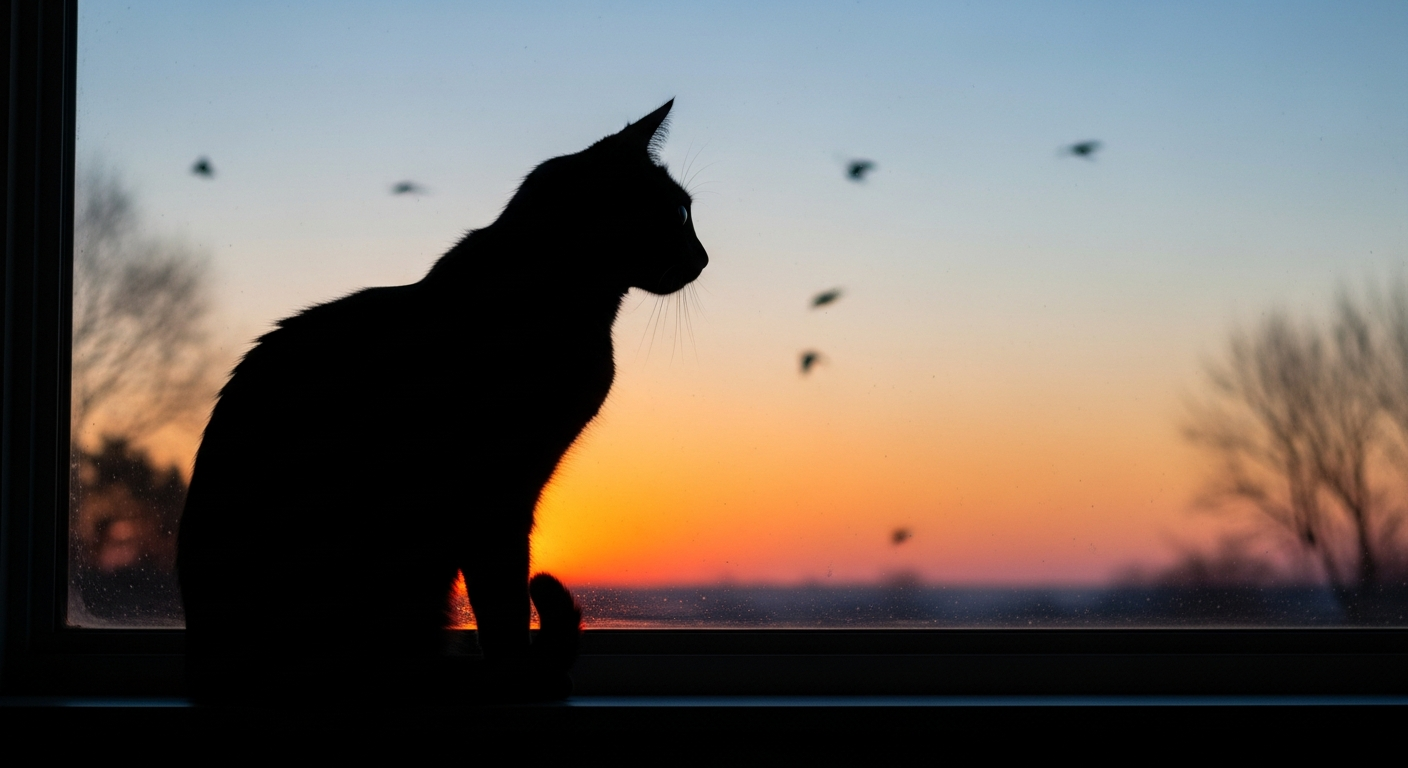
Trying to discipline this instinct out of a cat is essentially useless.
As many behaviorists point out, a cat waking you up at dawn is functioning exactly as designed.
The problem is that our modern lifestyle has disconnected their hunting instinct from their meals. We fill a bowl at 8 AM and 6 PM, leaving a massive gap in their natural rhythm right when their body is telling them to be active.
The "Boiled Noodle" Play Technique
To fix this, you have to work with their biology. Basically, you need to shift their rhythm by mimicking a hunt right before you go to sleep, this can be by waving a wand toy around aimlessly usually just bores them.
You need to simulate how actual prey moves. You can use a lure toy and move it like a mouse, scurrying along baseboards, hiding behind sofa legs, freezing, and then suddenly darting away.
Think of it as the "Boiled Noodle" technique: the toy should slither across the floor, not fly in endless, predictable circles.
You must exhaust that predatory energy so their body demands rest while you sleep. Skipping evening playtime essentially guarantees they will have leftover energy in the middle of the night. That leftover energy is also what fuels the famous 3 a.m. races, and our guide to cat zoomies at night and after pooping explains when those bursts are normal and when they deserve a vet visit.
The Hunger Demand: Why the Bowl is Empty at 4 AM
Let's talk about one of the most common reasons cats vocalize at night: they want food.
Cats are quick learners, and they soon discover which sounds get a reaction from you.
If you get up at 3 AM to put kibble in the bowl just to quiet them down, you have inadvertently trained your cat that making noise yields food, and you have created a transaction.
Breaking the Learned Behavior
This is called "demand meowing." Some cats learn to howl loudly at 2 AM because noise has worked for them before.
If a cat has been fed every time it made a noise, it has learned that it controls mealtime with its voice. To break this cycle, you have to be incredibly consistent.
The ASPCA's advice on meowing is to ignore attention meowing, reward your cat only when they are quiet, and feed at set times rather than when your cat cries. In practice that means no yelling, no feeding, and no eye contact at 3 AM, because even a negative reaction is attention.
When you stop rewarding the behavior, you will likely experience an "extinction burst." The cat will temporarily meow louder and longer for a few nights to see if your boundaries have changed, and if you give in on night three, the cat learns they just need to be louder to get what they want.
RELATED: 8 reasons your indoor cat is stressed
Automating the Solution
Today, there is little reason to rely on manual night feeding.
Smart pet technology can help preserve your sleep by dissociating you from the food source.
Devices like timed, automated feeders can dispense a small snack at 3 AM without waking the house. The robot becomes the provider, the cat quickly learns that meowing at the plastic machine is useless.
It’s not about restricting their diet; it’s about automating their schedule so you don't have to be the one waking up.
The Heartbreaking Reality: Cognitive Dysfunction Syndrome (CDS)
If your cat is 10 years or older and has suddenly started yowling at walls in the middle of the night, the cause may be medical rather than behavioral.
Cats can develop Cognitive Dysfunction Syndrome (CDS), an age-related decline in brain function often compared to dementia in people. According to the Cornell Feline Health Center, signs tend to become clearly noticeable in cats 10 years of age or older.
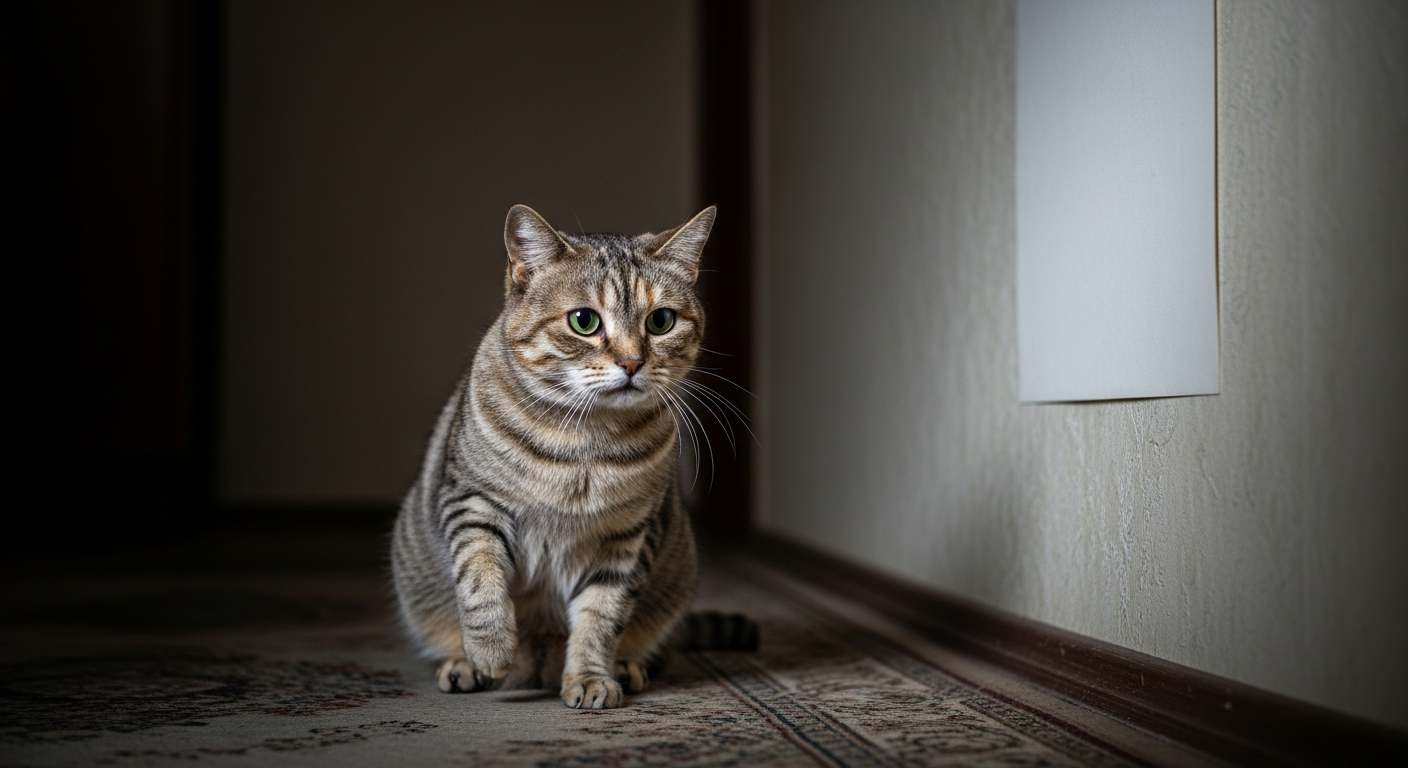
These cats aren't making noise to annoy you; they are waking up in the dark feeling confused, disoriented, and anxious.
Cornell lists seemingly unprompted episodes of loud vocalizing, frequently in the middle of the night, among the signs, along with disorientation, changes in sleep, and litter box accidents.
Managing the Decline
While you can't cure CDS, your vet can help you manage it.
1. Dietary Intervention: Behaviorists suggest a diet rich in vitamin E and antioxidants, which are believed to help slow the effects of aging on the brain. Ask your vet which diet suits your cat.
2. Medication: After ruling out other conditions such as hyperthyroidism and kidney disease, your vet may prescribe medication, such as an anti-anxiety drug, to reduce nighttime distress.
3. Environmental Anchors: Install motion-sensor nightlights in the hallway and near the litter box. A completely dark house is difficult for a cat losing its spatial memory. Keep the furniture layout static.
The Thyroid Issue: When Hyperthyroidism Strikes
Skinny, unkempt senior cats that vocalize constantly are often not misbehaving; their bodies may simply be in overdrive, as happens with hyperthyroidism.
Hyperthyroidism is common in older cats and significantly speeds up their metabolism, it makes them ravenously hungry, incredibly thirsty, and very restless, especially at night.
Hyperthyroidism can also cause secondary issues like high blood pressure, which is uncomfortable and disorienting.
If your older cat is eating constantly but still losing weight and crying at night, this requires a veterinary visit, not behavioral training.
The Cornell Feline Health Center lists increased thirst and urination among the most common signs, and notes that hyperthyroidism may also cause hyperactivity. The ASPCA adds that an overactive thyroid can result in excessive meowing.
Getting a Diagnosis
A simple T4 blood panel at your vet's office can confirm this.
Many senior cats go from stressed and vocal to calm and comfortable once a veterinarian finds the right medical treatment, whether that is daily medication or a more permanent therapy.
The Multi-Cat Territory Dispute
Many households have multiple cats.
We often assume that because they sleep near each other during the day, they are perfectly happy, but nighttime is when territory disputes often surface.
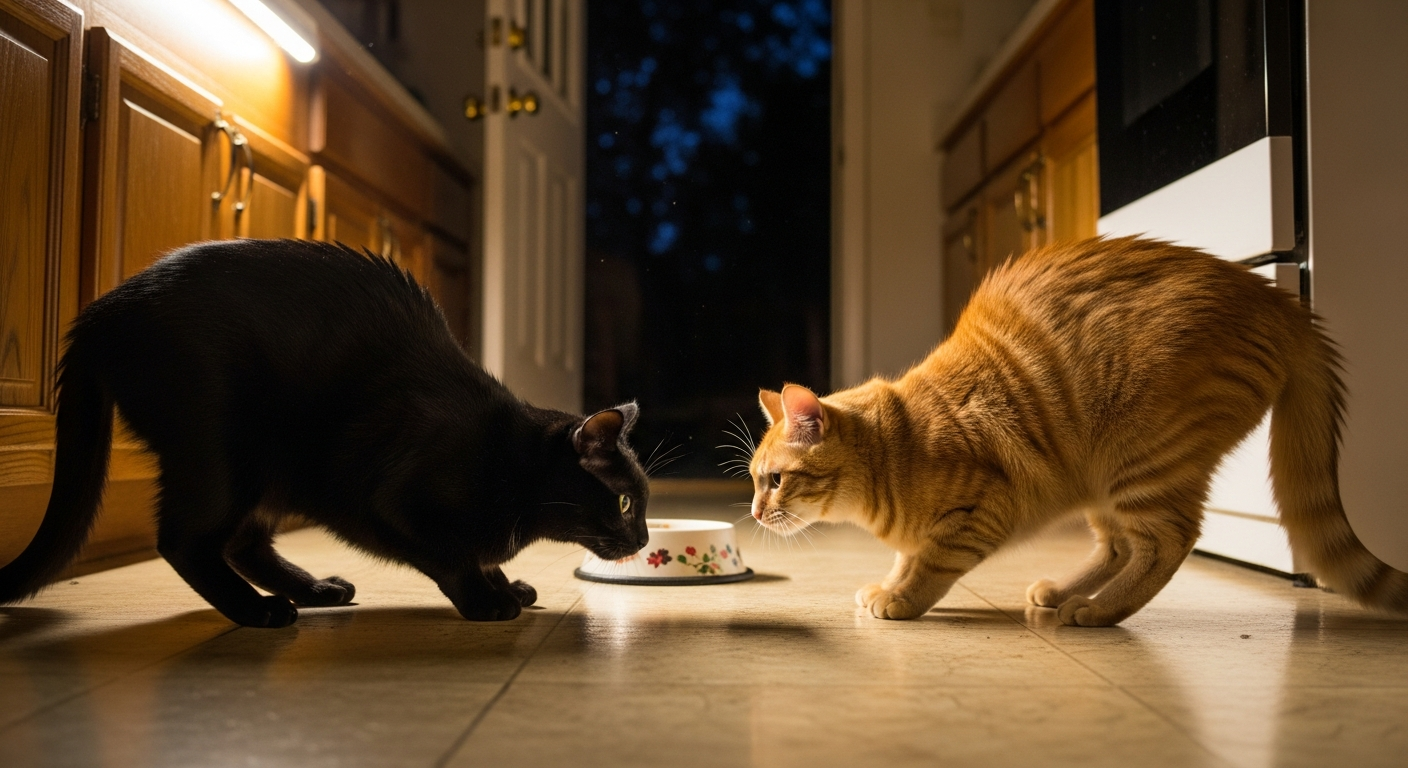
Much of the vocalizing in multi-cat homes is actually a standoff. One cat may try to use the hallway, while another blocks the path, resulting in low growls or yowls.
This tension causes stress, leading to restless sleep and noise.
Expanding the Territory
To help with this, you need to provide more vertical space. If the floor feels too crowded, give them higher routes.
-
Vertical Space: Install shelves or tall cat trees that allow a cat to navigate a room without staying on the floor.
-
Resource Distribution: Follow the "N+1" rule for litter boxes (one for each cat, plus one extra). Apply the same logic to water stations and sleeping areas. Spread them out so one cat cannot hoard access to essential resources.
Boredom and Anxiety
A cat left in an unstimulating environment for too long will become restless. They have physical and mental energy that needs an outlet; if it isn't burned off, it can turn into anxiety and vocalization.
A bored cat is frequently a loud cat.
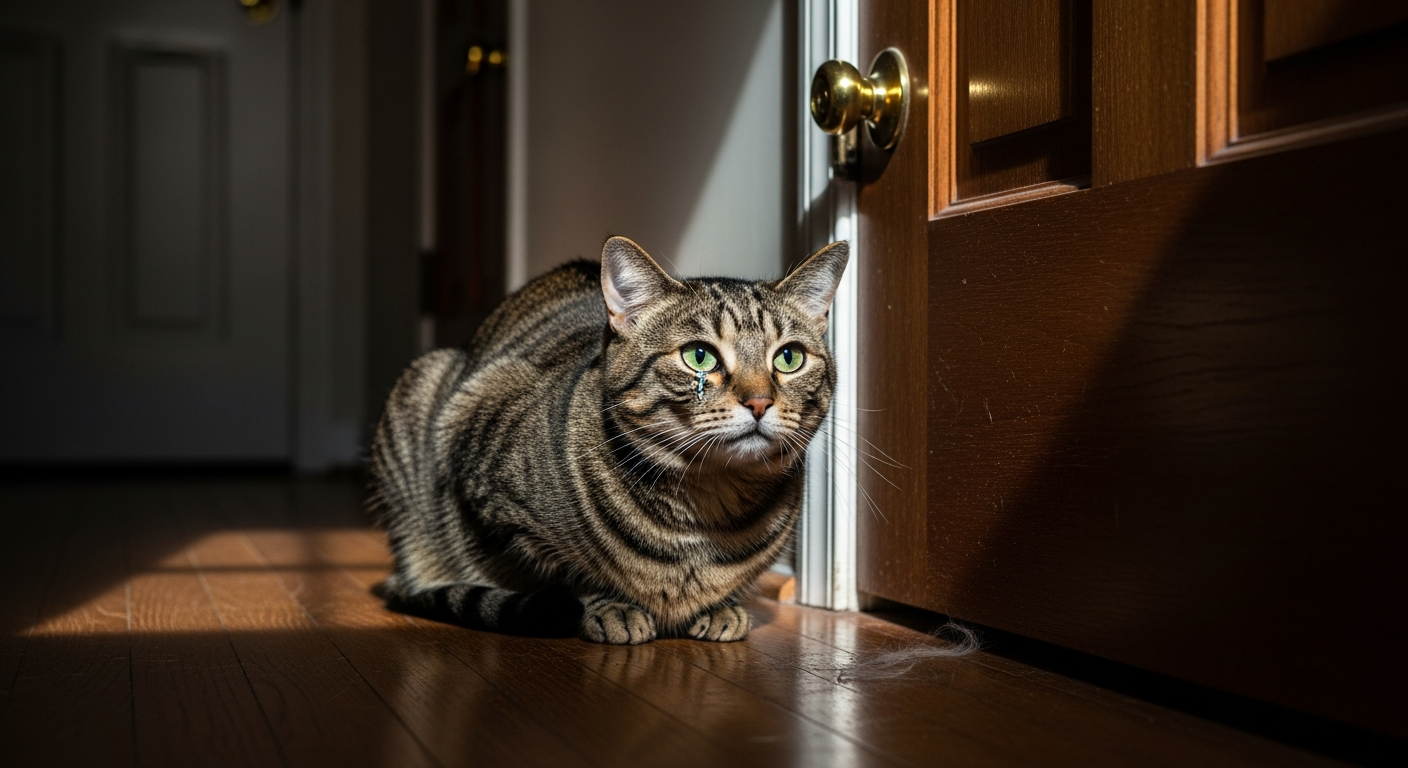
Some cats also show signs of distress when they are left alone or ignored.
When you go to sleep and become unresponsive, an anxious cat may feel isolated, providing interactive puzzle feeders during the day, utilizing calming pheromone diffusers, and ensuring you have dedicated, active playtime before bed can make a massive difference in their overall stress levels.
RELATED: 7 Activities to keep your cat mentally stimulated.
The Mating Call
If your cat is not spayed or neutered, the yowling you hear is likely a mating call.
An unspayed female in heat will yowl with an intensity that sounds distressing, but she is simply advertising her availability.
A male cat who senses a female in heat nearby will also cry to get out.
There is no training or playtime that will override this biological drive, with the overpopulation crisis we are still fighting in animal shelters every single day, spaying and neutering is essential.
Getting your cat fixed is the only way to resolve this specific behavior.
Environmental Triggers You Might Miss
Sometimes the trigger is in your environment. Cats have excellent hearing. Things like the buzzing of a faulty dimmer switch, or the scratching of pests in the walls, can be highly disruptive to them.
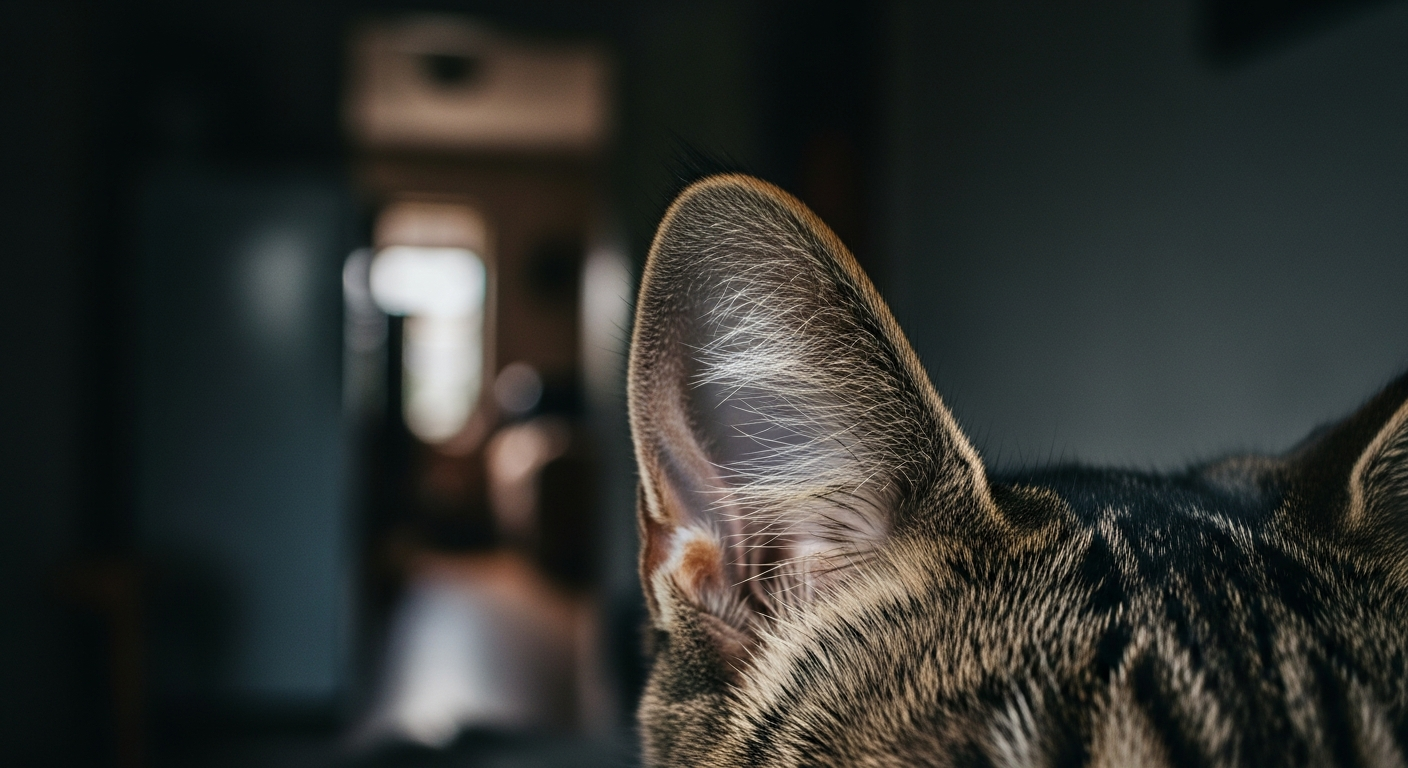
Conducting a Sensory Audit
Look at your home through their perspective:
1. Electronics: Unplug older electronics or chargers in the room where the cat sleeps, as they can sometimes emit high-frequency whines.
2. Pests: If your cat intensely stares at a specific spot on the wall or ceiling while meowing, they likely hear something you don't, such as mice.
3. Outside Activity: Are neighborhood cats wandering outside your windows at night? This can cause severe territorial anxiety. Closing the blinds can help.
The "Reset" Protocol: A Step-by-Step Guide
If you have visited the vet and completely ruled out medical issues, like thyroid problems or pain, you are left with a behavioral habit.
Fixing it requires strict consistency to retrain their routine.
Here is a simple schedule to try if your cat is keeping you up at night:
-
9:30 PM: Rigorous, interactive play, get them running and jumping.
-
9:45 PM: Feed a substantial meal (wet food is often best for keeping them full).
-
10:00 PM: Bedtime.
If they start meowing at 3:00 AM, this is the crucial moment: you must do nothing.
Invest in comfortable earplugs and a white noise machine. If you react at all, even just to sigh loudly or get up to check on them, you reinforce the behavior.
It usually takes a couple of weeks of absolute consistency to break a deeply ingrained habit. It can be a frustrating transition, but it is necessary for long-term peace.
Conclusion
Asking "why does my cat meow so much at night" is usually the first step in uncovering a combination of factors, it’s a mix of biology, their environment, and accidental habits we've helped them form.
The good news is that, in most cases, it is entirely solvable.
Always check with a veterinarian first to rule out pain or illness.
Once they have a clean bill of health, look at the world through their eyes, because they are trying to communicate an unmet need.
Listen to the message, adjust their routine, and eventually, you will get your sleep back.
Resources & References
Frequently Asked Questions
Why does my cat yowl at night all of a sudden?
Sudden night yowling, especially in senior cats, is often a sign of medical issues like hyperthyroidism, high blood pressure, or Cognitive Dysfunction Syndrome (feline dementia). It requires a veterinary check-up immediately.
Should I ignore my cat meowing at night?
If you have ruled out medical issues and basic needs (food/litter), yes. Ignoring demand meowing is crucial to extinguishing the behavior. Reacting, even negatively, reinforces the noise.
Are cats nocturnal or crepuscular?
Cats are crepuscular, meaning they are most active at dawn and dusk. Night activity is often a result of their natural hunting rhythm clashing with human sleep schedules.
Can leaving a light on help a cat with dementia?
Yes, nightlights can help senior cats with Cognitive Dysfunction Syndrome navigate the house and reduce disorientation-induced anxiety and vocalization.
Do smart feeders stop cats from waking you up?
They can be very effective. By scheduling a small meal for early morning (e.g., 4 AM), the cat learns to wait for the machine rather than waking the owner for food.

Related Articles
Cat Zoomies: Why Cats Go Crazy at Night and After Pooping (and When It's Not Normal)
Cat zoomies explained: why cats race around at night and after the litter box, a timing decoder to read your own cat, the warning signs that need a …
Best Cat Carriers for Anxious Cats: 6 Picks That Make Vet Visits Easier (2026)
The best cat carriers for anxious cats, chosen for top loading, stability and easy vet exams, plus a step-by-step carrier training plan for nervous cats.
8 Subtle Signs Your Cat Loves You (Even When They Act Like You're Invisible)
Stop expecting a dog's reaction. Discover the subtle signs your cat loves you, from slow blinks to biometric data, backed by 2026 behavioral science.

The Truth about Whisker Fatigue: Myths, Facts & Solutions
Discover the truth about Whisker Fatigue. We debunk the myths, analyze 2026 veterinary data, and reveal why your cat's bowl might not be the real problem.

8 Reasons Why Your Indoor Cat Is Stressed, Is Your Home a Prison?
Discover 8 reasons why your indoor cat might be stressed. The gritty truth about feline anxiety and how to fix it.

7 Activities to keep your cat mentally stimulated
Bored indoor cat? Try these 7 enrichment activities, from puzzle toys to clicker training and play routines, to curb boredom and problem behavior.
Comments (0)
No comments yet. Be the first to share your thoughts!
Leave a Reply