How Often Should You Bathe Your Cat? (The Honest Truth)

If you are reading this because you think your cat "needs a spa day," stop.
Close the tab.
Go apologize to your cat.
Unlike dogs, who will happily roll in a rotting carcass five minutes after a bath, cats are civilized.
They are self-cleaning machines.
In fact, a healthy cat spends up to 50% of their waking hours grooming themselves.
So, the short answer to "how often should I bathe my cat" is simple.
You shouldn't.
Unless you have a very specific reason, which we will get to, bathing a cat is unnecessary, stressful, and frankly, dangerous for your forearms.
But because the internet is full of misinformation, let's break down why your cat is cleaner than you are, and the rare exceptions when water is actually required.
The Anatomy of a Self-Cleaning Oven
Have you ever looked at a cat's tongue under a microscope?
It's terrifying.
It is covered in tiny, backward-facing barbs called papillae.
These aren't just for texture.
They are hollow scoops that transfer saliva from the mouth deep into the undercoat.
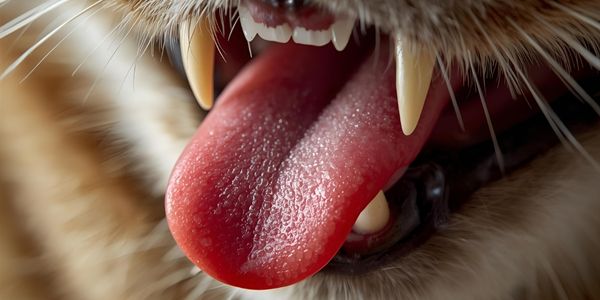
This isn't just a tongue. It's a biological comb, sponge, and degreaser all in one.
This saliva contains natural detergents that break down grease and dirt.
When a cat grooms, they are essentially dry-cleaning themselves.
They distribute their natural skin oils (sebum) across their fur to keep it waterproof and shiny.
When you dunk a cat in a tub of soapy water, you ruin this system.
You strip the oils.
You dry out the skin.
And you replace their scent, which is their identity, with the smell of "Lavender Mist."
To a cat, that isn't clean.
It's an insult.
RELATED: Cat Dental Care Ultimate Guide
The Exceptions: When You Actually Need to Bathe a Cat
I can hear the comments already.
"But Jeremy, my cat is hairless!" or "My cat is elderly!"
Fine.
There are exceptions.
If your cat falls into one of these categories, you have my permission to get the shampoo.
1. The Hairless Breeds (Sphynx, Peterbald)
If you own a Sphynx, you basically own a raw chicken that purrs.
Because they have no fur to absorb their skin oils, the oil just sits there.
It accumulates.
It gets sticky.
Eventually, they leave greasy butt-prints on your furniture.
Verdict: Weekly or bi-weekly bathing is mandatory.
If you skip it, they get skin infections and blackheads.
Yes, cats can get blackheads.
It's as gross as it sounds.
2. The Senior or Obese Cat
Arthritis is cruel.
If a cat can't bend their spine to reach their back end, they stop grooming it.
The same goes for overweight cats.
If they can't reach the exit, the exit gets dirty.
This leads to matting, dandruff, and the dreaded "poop stuck to the fur" situation.
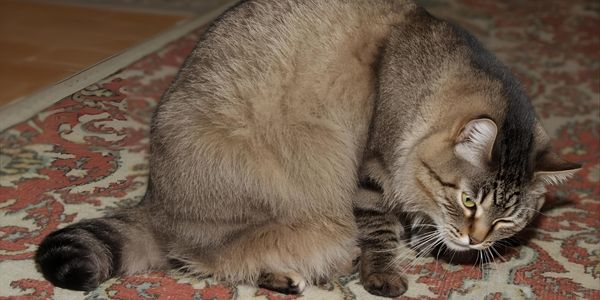
If he can't reach it, you have to clean it. That's the deal.
Verdict: Spot clean as needed.
You usually don't need a full bath.
A "butt bath" (sanitary clip and wash) is usually enough.
3. The "Toxic Waste" Scenario
Sometimes, curiosity doesn't kill the cat, but it does get them covered in motor oil.
Or lily pollen (which is deadly toxic).
Or antifreeze.
If your cat has something on their fur that would harm them if they licked it off, you must wash it off immediately.
Verdict: Emergency bath only.
Do not wait.
Use dish soap (like Dawn) for grease, as it cuts oil better than pet shampoo.
4. Ringworm and Parasites
If your vet hands you a bottle of medicated shampoo for ringworm, you do it.
Ringworm is a fungus, and it spreads to humans.
I've seen entire households get itchy because they didn't want to wash the cat.
Verdict: As prescribed.
Wear gloves.
Why "Just Because" is a Bad Reason
Cats are control freaks.
They are both predator and prey animals.
To a cat, being restrained in a slippery tub with loud running water triggers a "fight or flight" response.
It is genuinely traumatic for many of them.
We aren't talking about "oh, he's grumpy."
We are talking about heart-rate-through-the-roof panic.
Plus, stress in cats is a physical health hazard.
Stress can trigger urinary blockages (especially in males) and flare-ups of feline herpes virus.
So, asking "should I bathe my cat to make them smell nice?" is risking a vet bill for a cosmetic preference.
The Survival Guide: How to Bathe a Cat Without Bleeding
Okay, so you have a Sphynx, or a poopy Persian, and you have to do this.
Here is how you survive it.
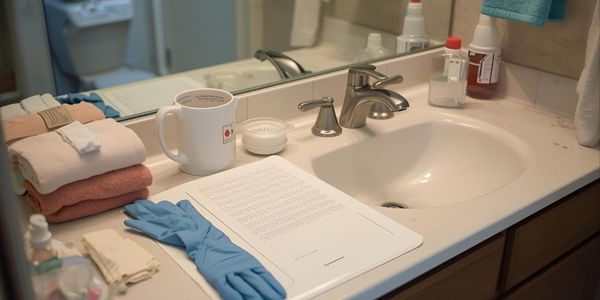
Preparation is the only thing standing between you and the emergency room.

1. Trim the Claws Yesterday
Do not bathe a cat with sharp claws.
Trim them the day before.
If you trim them right before the bath, the cat is already annoyed.
Do it early.
2. Traction is Everything
Cats panic when they slip.
Put a rubber mat or a folded towel in the bottom of the sink or tub.
If they can dig their claws into something, they feel more secure.
If they are sliding around on porcelain, they will try to climb you.
3. No Running Water
The sound of the faucet is scary.
Fill the sink or a bucket with warm water before you bring the cat in.
Use a pitcher or a cup to gently pour water over them.
Never spray them in the face.
4. The "Burrito" Method (For Drying)
Once you rinse (and rinse well), do not use a hair dryer.
The noise is too much.
Wrap them in a large warm towel immediately.
Pat them dry.
Keep them in a warm room until they are fully dry.
A wet cat can get hypothermia surprisingly fast.
Alternatives to the Full Dunk
If your cat is just a bit dusty or has mild dandruff, you don't need the tub.
There are easier ways.
The "Waterless" Foam
They make waterless shampoos for cats.
You pump the foam into your hand, rub it into the fur, and towel it off.
It helps break down surface grease without the trauma of immersion.
Pet Wipes
Baby wipes are for babies.
Use cat-specific grooming wipes.
They are great for wiping a messy bum or cleaning dirty paws.
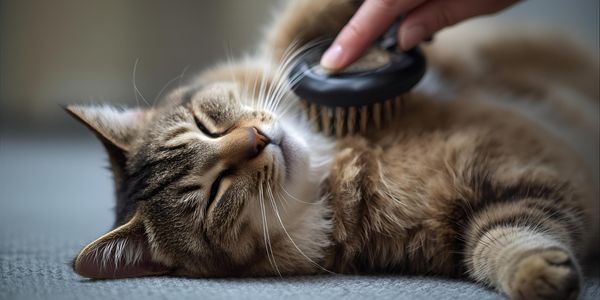
This is what they actually want. 90% of 'bathing' needs can be solved with a brush.
The Brush
I cannot stress this enough.
Most "dirty" cats just need to be brushed.
Brushing removes the dead hair, dirt, and dander that make a coat look dull.
If you aren't brushing your cat weekly, start there.
Conclusion: Respect the Cat
Cats are autonomous creatures.
They have managed to keep themselves clean for thousands of years without our help.
Unless they are physically unable to groom themselves, leave them alone.
Your cat doesn't need to smell like vanilla.
They just need to smell like a cat.
Save your energy for cleaning the litter box.
🐾 Frequently Asked Questions
Q Can I use dog shampoo on my cat?
Absolutely not. Some dog shampoos contain ingredients (like permethrin for fleas) that are toxic and deadly to cats. Cats also groom themselves by licking, meaning they will ingest whatever residue you leave behind. Only use products specifically labeled for cats. If you don't have it, don't wash them.
Q My cat has dandruff. Does he need a bath?
Probably not. Dandruff in cats is usually a sign of dry skin (from low humidity), poor diet (lack of Omega-3s), or obesity (can't reach to groom). Bathing will likely dry their skin out more and make the dandruff worse. Try a humidifier, a better diet, or a good brushing session first.
Q How often should I bathe my Sphynx cat?
This is the one time I'll tell you to scrub. Sphynx cats produce a lot of oil that has nowhere to go. You should bathe them once a week or every two weeks. If you don't, that oil clogs their pores and leaves reddish-brown grease stains on your white sheets. Trust me, you don't want that.
Q How do I dry my cat after a bath?
With a towel and a lot of apologies. Do not use a hair dryer unless your cat has been desensitized to it since kittenhood. The noise is terrifying for them. Use highly absorbent microfiber towels, wrap them up like a burrito, and keep them in a warm room away from drafts until they are dry
Q What if my cat just smells bad?
Cats shouldn't smell. If your cat has a foul odor, it's usually not a "skin" problem, it's a health problem. It could be dental disease (rotten breath), an ear infection, or full anal glands. Bathing won't fix any of those. If your cat stinks, call your vet, not the groomer.

📖 Related Articles

5 Taurine-Rich Raw Diet Recipes for Cats (2026 update)

💬 Comments (0)
No comments yet. Be the first to share your thoughts! 👇
✍️ Leave a Reply