How to Adopt a Rescue Cat in 2025: The No-BS Guide

So you're thinking about adopting a cat from a shelter? That's honestly one of the best decisions you could make, not just for you, but for some furry little soul who's been waiting for a break.
Trust me, there's something weirdly magical about giving a shelter cat a second chance at not being stuck in a cage.
Look, I get it. Walking into a shelter can feel overwhelming.
All those faces looking at you through kennel doors, each one basically screaming "pick me!" at your conscience.
But here's the thing: with a little preparation and the right mindset, you can find your perfect match without having a meltdown.
This guide is going to walk you through everything you actually need to know about adopting a cat from a shelter in 2025.
We're talking real talk here, the good stuff, the messy stuff, and everything in between.
By the time you're done reading this, you'll feel confident enough to handle whatever curveball your new roommate throws at you.
Getting Your Head in the Right Space Before You Start
Before you fall head over heels for those whiskers and that purr (and trust me, you will), let's pump the brakes for just a second.
Taking some time upfront to really think through what you want from this whole experience is going to save you a ton of headaches later.
Two Things You Absolutely Must Do First
First up, get your place completely ready. I'm talking full-on cat-proofing and having every single supply you'll need sitting there waiting.
Cats are already stressed from shelter life, and the last thing you want is to bring them home to total chaos.
Having everything ready creates this beautiful foundation for success, or at least minimizes the disasters.
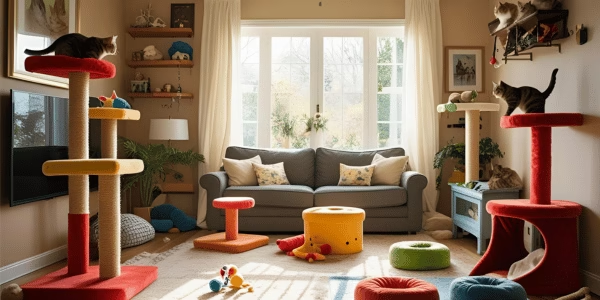
Second, and this is huge, figure out exactly what you're looking for. I know, you're probably thinking "I just want a cute, fluffy friend!"
But seriously, spending time thinking about personality, energy levels, and how a cat will fit into your actual daily life makes choosing so much easier.
The Current State of Cat Adoption in 2025
Here's some encouraging news that might surprise you: cat adoption rates are actually going up.
In 2024, cat adoptions increased by nearly 2%, with 64% of cats entering shelters finding homes.
That's up from 62% in 2023 and a massive jump from 57% back in 2019.
Even better? The number of cats killed in shelters dropped by over 10% in 2024, hitting the lowest point in history.
What this means for you is that shelters are getting smarter at matching cats with families.
In 2024, roughly 2.6 million cats were successfully adopted across the US.
The average adoption rate for cats now sits at 65%, which is actually higher than the rate for dogs.
The Real Cost of Cat Adoption: What You Actually Need to Budget
Let's talk money, because this is where a lot of people get blindsided.
I'm going to give you the straight scoop on what this actually costs, so you can plan properly and avoid eating instant noodles for a month.

Initial Adoption Fees by Region
The fee itself varies a ton depending on where you live and how old the cat is.
Here's what you can expect across different spots:
West Coast:
- Kittens: $125-$225
- Adult cats: $75-$110
- Senior cats: $0-$35
East Coast:
- Kittens: $50-$174
- Adult cats: $75-$100
- Senior cats: $25
Midwest:
- Kittens: $74-$125
- Adult cats: $25-$100
- Senior cats: $0-$75
South:
- Kittens: $100-$150
- Adult cats: $25-$50
- Senior cats: $25
The good news? These fees typically cover fixing them, shots, microchips, and a basic look-over by a vet.
That's easily $200-$400 worth of stuff you'd otherwise be paying for out of pocket.
First-Year Setup Costs
Beyond the adoption fee, you're looking at some upfront cash to get your home ready.
Here's what you'll actually need to shell out:
Essential Supplies ($200-$500):
- Cat carrier: $20-$75
- Litter box: $10-$200 (depending on how fancy you get)
- Initial litter supply: $15-$75
- Food and water bowls: $10-$30
- Scratching posts: $30-$80
- Cat bed: $20-$60
- Basic toys and treats: $30-$50
- Brush and grooming stuff: $8-$20
Initial Veterinary Care ($100-$300):
Even if your cat comes with recent records, you'll want to find a local vet and get a baseline check within the first week.
Monthly Ongoing Costs
Here's where you need to be realistic about the long game.
Monthly expenses usually run $70-$260, depending on your choices and how high-maintenance your cat is.
Food and Treats ($29-$49/month):
This varies wildly. Basic dry kibble might be $20, while the fancy wet stuff can hit $75 or more.
Litter ($15-$100/month):
Most people spend around $20-$30, but it depends on the brand and how obsessive you are about changing it.
Routine Healthcare ($20-$70/month averaged):
Annual visits, shots, and flea meds average out to about $240-$840 a year.
Pet Insurance ($22-$105/month):
Optional, but it can save your bacon if your cat swallows a string or gets sick.
Emergency Fund Reality Check
Here's something nobody talks about enough: you absolutely need an emergency stash.
Emergencies can easily run $500-$3,000. I've seen too many sad situations where people couldn't afford to fix a broken leg or a blocked bladder.
Recommended Stash: $1,000-$3,000 minimum, or get insurance.
Annual Costs by Life Stage
Kittens to Adults: $830-$3,095 a year.
Seniors: $760-$3,495 a year (usually higher because things start breaking down).
The funny thing about seniors is that while basic care might cost less, the medical bills often go up. But plenty of old timers live for years with just a little extra TLC.
Money-Saving Tips for Cat Adoption
Look for Specials: Shelters often cut fees during holidays or "kitten season" when they're overflowing.
Consider Adults: Cheaper fees, and they're usually past the "destroy everything" phase.
Ask What's Included: Some places throw in food samples or a month of insurance.
Discounts: If you're military or a senior, ask for a discount. Seriously, ask.
Hidden Costs to Consider
Pet Sitting: $20-$50 a day when you travel.
Furniture Taxes: Cats scratch. Budget for covers or new couches eventually.
Rent Hikes: Security deposits often jump up when you add a pet.
Grooming: Long-haired cats might need professional help if they get matted.
Is Cat Adoption Worth the Investment?
Absolutely. When you break it down over 15-20 years, it's like $2-$5 a day.
For the stress relief and entertainment? That's a steal compared to therapy or streaming services.
Plus, you're literally saving a life. Can't put a price tag on that.
The Big Questions That'll Guide Your Decision
Kitten or Grown-Up Cat?
This is the big one because it changes your whole life. Kittens are cute, painfully cute, but they are tiny tornadoes of destruction.
We're talking litter training, constant watching, and kitten-proofing everything because they will try to eat your phone charger.
Here's a stat: almost 52% of all adopted cats are kittens.
But don't let that sway you. Adult cats come pre-installed with personalities.
Most are already house-trained and chill. Seniors (7+) are often gems who just want a nap and a warm lap.
One Cat or Two?
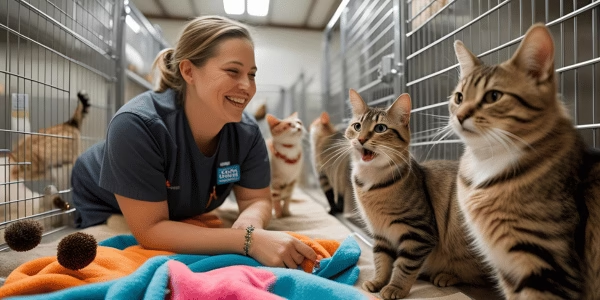
This comes down to your wallet and your schedule. Two cats can entertain each other, which is great if you work all day.
But let's be real: you are doubling every single bill. Food, vet, litter, all times two.
Some shelter cats are "bonded pairs" and have to go together, which actually makes the transition easier since they have a buddy.
What Kind of Personality Are You Actually Looking For?
Time for some honesty. do you want a lap fungus who follows you everywhere, or an independent roommate who ignores you until dinner?
Do you want a talker who screams at 3 AM, or a quiet shadow?
There's no wrong answer, just what works for you. Be honest, because this is a 15-year contract.
Where Should You Actually Adopt From?
Stick with local shelters and rescues. These people know their cats.
They've checked their health, seen their quirks, and know who bites and who cuddles.
Just please, avoid pet stores and sketchy online ads. If you need a specific breed, find an ethical breeder who actually gives a damn.
Questions You Need to Ask the Shelter Staff
What's This Cat's Story?
Knowing if a cat was a stray, surrendered by a family, or transferred tells you a lot.
Data shows 49% of shelter cats are strays, while 25% were given up by owners. A street cat might need time to adjust to walls and ceilings.
Any Health Stuff I Should Know About?
Don't be shy. Ask for the full medical rap sheet.
Shelter cats often have dental issues, FIV, or other chronic things. But don't let that scare you off automatically.
Many conditions are totally manageable. You just need to know what you're signing up for so you don't go broke.
How Do They Get Along With Others?
Crucial if you have other pets. You need to know if this cat hates dogs, other cats, or kids.
Bringing home a cat who hates your existing dog is a recipe for a miserable household.
What's Their Daily Routine Like?
Ask what they eat, what litter they use, and if they like being brushed.
Keeping things consistent for the first few weeks helps stop them from freaking out.
Getting Your Home Ready for Success
Setting Up a Safe Haven
Your new cat needs a bunker. A quiet room where they can hide and decompose... I mean, decompress.
Pick a room away from the noise. Stock it with a litter box, food, water, and a bed.
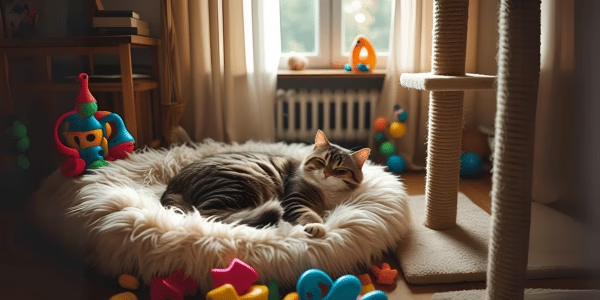
The second you get home, show them the litter box. It prevents accidents and gives them a landmark.
Most experts say keep them in there for a few days. Some scaredy-cats might need weeks.

The Shopping List You Actually Need
Food and Water Gear:
- Stainless steel or ceramic bowls (plastic gets gross and holds bacteria)
- Whatever food the shelter used (switch later if you want)
- Treats for bribery
Comfort Zone Essentials:
- A decent bed (though they'll probably sleep in the box)
- Soft blankets
- A solid carrier that won't fall apart
Health and Hygiene:
- Uncovered litter box (most cats hate lids)
- Unscented clumping litter
- Nail clippers (good luck)
Fun Stuff:
- Scratching post (mandatory unless you hate your couch)
- Toys that don't involve your fingers
- A high place to perch

Making Your Place Cat-Safe
Time to crawl around on the floor and look for trouble.
Toxic plants? Trash them. Tiny things they can swallow? Hide them. Cords? Cover them.
If you're in an apartment, check your window screens. You don't want your new friend taking a flying leap.
The Adoption Process: What's Actually Going to Happen
Paperwork and Screening
Good shelters ask questions. They want to know about your landlord, your job, and your other pets.
Don't get defensive; they're just trying to avoid returns. Be honest, or you'll end up with the wrong cat.
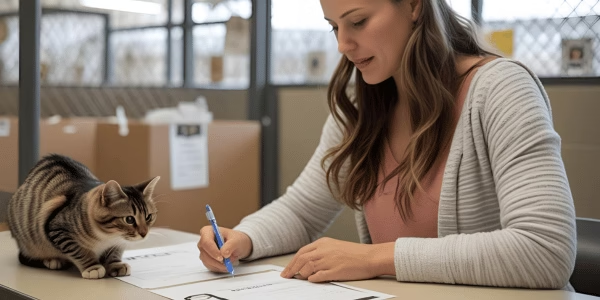
Some places do home visits. Again, not being nosy, just caring. The process can be instant or take a week.
Meeting Your Potential New Best Friend
Spend actual time with the cat. Ask to see them out of the cage.
Cats act weird in cages. You need to see them move, play, and ignore you in a normal room.
If you have a dog, ask for a meet-and-greet. It's better to find out they hate dogs now than in your living room.

Making the Call
Don't rush, but don't overanalyze it for six months.
Trust your gut. The "perfect" cat is a myth, but the right cat is real.
Bringing Your New Family Member Home
The First Day or Two
Keep them in the safe room. I know you want to show them the whole house, but don't.
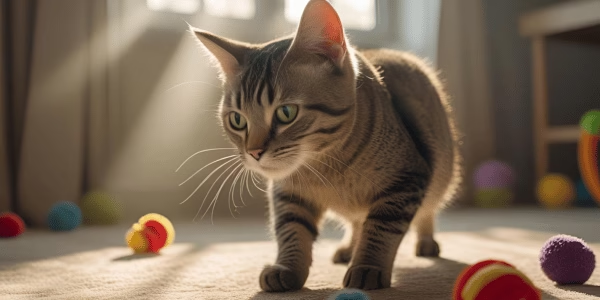
They need to decompress. Some cats hide under the bed for three days. That is totally normal.
Stick to their old food for now. Changing food + stress of moving = diarrhea. Nobody wants that.
The First Few Weeks
Your cat will tell you when they're ready to leave the room. Maybe in an hour, maybe in a week.
Follow their lead. Don't drag them out.
And definitely keep them inside for at least a month. They need to know where "home" is before they see a squirrel.
Building Your Bond
Patience is the only game in town. Some rescues have seen some stuff.
They might not trust you yet. Be consistent, be kind, and offer treats.
Let them come to you. Some are cuddlers immediately; others need a month to decide you're not going to eat them.

Special Situations to Consider
Senior Cats
Senior cats are often the best roommates.
They're calm, they know how to use a litter box, and they sleep a lot. Don't write them off just because they're 10.

Special Needs Cats
Cats with issues like FIV or three legs can live awesome lives. They get overlooked constantly.
If you can handle the meds or accommodations, you're a hero in my book.
Bonded Pairs
Some cats come as a set. While it costs double, they usually settle in faster because they have their emotional support buddy.
Red Flags to Watch Out For
At the Shelter
Run if they won't let you see the cat out of the cage, won't share medical records, or pressure you to "buy now."
Good shelters want it to work out; they aren't used car salesmen.
With Individual Cats
Be realistic. If a cat tries to murder you through the bars, can you handle that?
Severe aggression or extreme fear that doesn't budge might be more than you can take. That's okay to admit.
Setting Yourself Up for Long-Term Success
Getting Veterinary Care Sorted
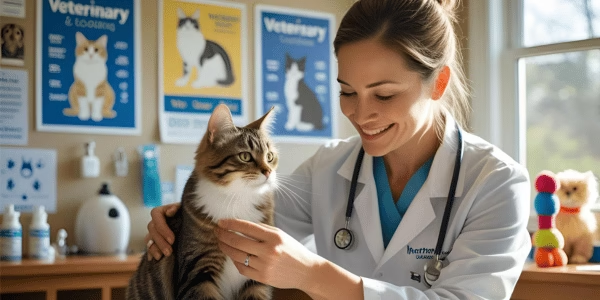
Book a checkup the first week. Establish a relationship with a vet before there's an emergency.
Keeping Things Interesting
Bored cats destroy things. Rotate their toys.
Give them things to climb. Play with them. It prevents behavioral problems and keeps them from getting fat.
Building Your Support Network
Stay in touch with the shelter. They often have trainers or advice lines.
Don't suffer in silence if things get weird. Ask for help early.
Understanding the Bigger Picture
The good news is shelter adoption is winning. In 2024, over 4 million pets found homes.
Fewer cats are being euthanized than ever before. When you adopt, you are literally part of that stat.
Making This Life-Changing Decision
Choosing a cat isn't just about picking the cutest face. It's about finding a roommate you can stand for 20 years.
Following this guide sets you up for a relationship that actually works.
Remember, adopting a shelter cat saves their life. With rates at an all-time high, you're joining a winning team.
Take your time. Ask the hard questions. Trust the process.
Your new best friend is currently sitting in a cage somewhere waiting for you to show up.
Ready to start? Go call your local shelter. Today.
Resources
🐾 Frequently Asked Questions
Q How long does this whole adoption thing actually take?
Honestly? It depends. Some shelters will let you walk out with a cat in an hour; others treat it like you're applying for top-secret clearance with home visits and reference checks. The good ones take a little time because they don't want the cat coming back next week.
Q What if my new cat hates my dog/other cat/roommate?
Introductions are everything. If you just throw them in a room together on day one, yeah, there will be blood. Do it slowly, like, painfully slowly, over weeks. If they still want to kill each other after a month of doing it right, call a behaviorist or the shelter.
Q How much cash should I actually have ready?
To walk in the door? Maybe $150 for the fee. To actually survive the first month? Have $500 ready for supplies and the inevitable "oops" purchase. Monthly, expect to burn $100-$150 on food and litter unless you want your house to smell like a zoo.
Q Can I return the cat if it's a disaster?
Yes, and please do it if it's truly not working. Reputable shelters want the cat back rather than having you dump it on Craigslist. But call them first, sometimes the problem is fixable with a little advice you haven't thought of.
Q Is pet insurance a scam or worth it?
It feels like a scam until your cat eats a rubber band and needs $3,000 surgery at 2 AM. Then it's the best money you ever spent. If you don't have $3k sitting in a savings account right now, get the insurance. It's $30 a month for peace of mind.

📖 Related Articles

5 Taurine-Rich Raw Diet Recipes for Cats (2026 update)


💬 Comments (0)
No comments yet. Be the first to share your thoughts! 👇
✍️ Leave a Reply