Litter Box Placement Mistakes: Why Your Cat Pees on the Rug
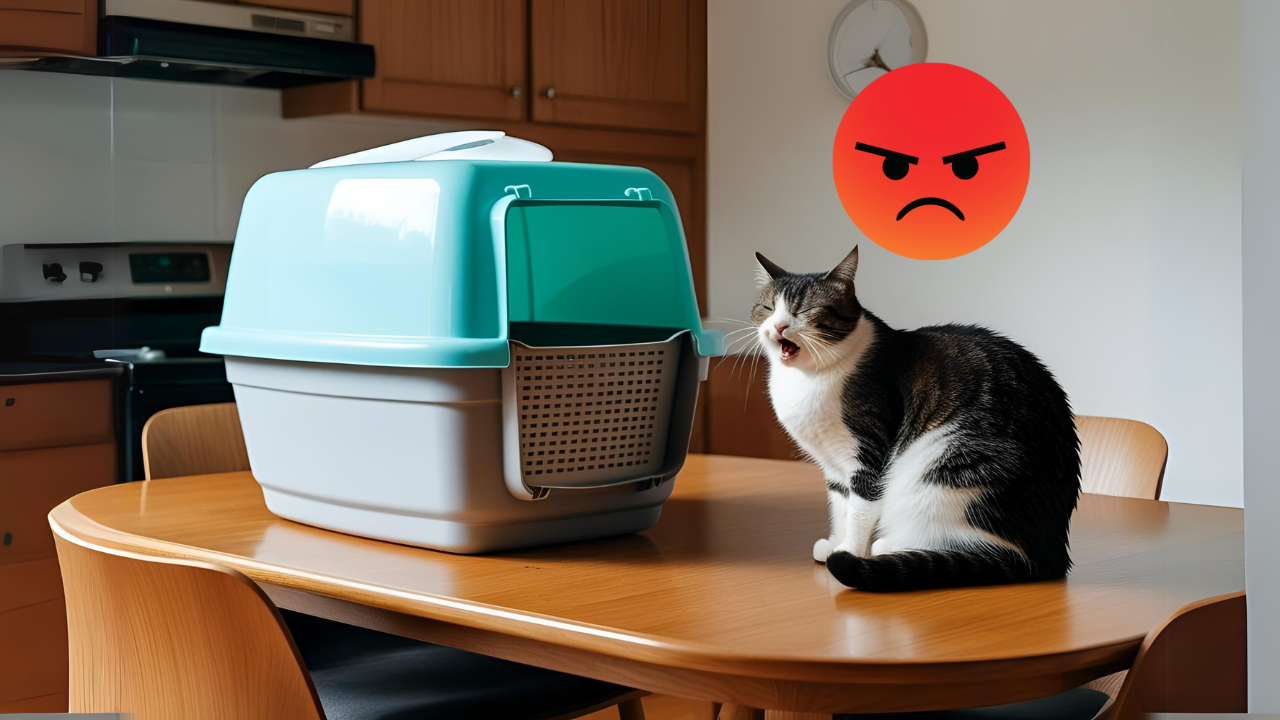
Nothing ruins your day faster than stepping in a wet spot on your rug because your cat decided the litter box wasn't good enough.
You think your cat is being a jerk. Your cat thinks you’ve set up their bathroom in the middle of a war zone.
The truth is, 90% of litter box problems aren't about the cat, they're about where you put the box. I've spent years figuring this out, and the most common mistakes are born from human convenience, not feline sanity.
Let's cut the crap. This guide will show you exactly why your cat is peeing on your stuff and how to fix it by simply moving a plastic box.
Why Your Cat Is So Weird About Its Bathroom
Before you blame the cat, you need to understand why they're so particular. It’s not fussiness; it's survival instinct hardwired into their brains.
It's About Not Getting Eaten
In the wild, cats are both predators and prey. When they're taking a dump, they are completely vulnerable, stuck in one spot, unable to run or fight effectively.
That instinct doesn't vanish just because they live in your house. A litter box in an exposed spot feels like a death trap. Your cat will abandon it for a place that feels safer, like the dark corner of your closet or behind the sofa.
Psychological safety is just as important. If using the box is stressful because of noise or foot traffic, your cat will develop a negative association with it and find a new, less stressful bathroom, like your laundry pile.
They Aren't Dirty Animals
Cats are naturally clean. Their instincts tell them to:
- Eliminate far away from where they eat and sleep.
- Prefer soft, sandy stuff they can dig in.
- Choose spots with good escape routes so they don't feel trapped.
Their sense of smell is also about 14 times stronger than yours. A box that smells bad to you is a toxic waste site to them. Understanding these basic instincts is the key to not having your house smell like cat pee.
The Top 5 Litter Box Placement Mistakes You're Probably Making
Now that you get the psychology, let's look at the classic mistakes that cause litter box avoidance.
Mistake #1: The High-Traffic Nightmare
This is the most common one I see. You put the box in a busy hallway or the middle of the living room because it's "convenient" for you to clean.
It's a nightmare for your cat. Imagine trying to use the toilet in the middle of a busy train station. That's how your cat feels. Constant foot traffic, loud conversations, and potential interruptions create stress. The cat will find a quieter spot.
I've helped people who were convinced their cat was sick. Nope. They'd just moved the box to a hallway during a renovation and never moved it back. The problem vanished once the box went back to a quiet corner.
Mistake #2: The "Eat Where You Poop" Setup
Putting the litter box next to the food and water bowls is another classic blunder. It violates a cat's most basic instinct: don't contaminate your food source.
It's a survival mechanism. In the wild, eating near waste leads to sickness. Your pampered house cat still has that programming. Forcing them to eat next to their toilet creates anxiety and can lead to them avoiding both the food and the box.
The rule is dead simple: food and litter boxes should be in different rooms. If you're in a tiny apartment, put them on opposite ends of the room. It's not that hard.
Mistake #3: The Noisy Appliance Death Trap
Putting the box next to a washing machine, dryer, or furnace is asking for trouble. These machines make loud, unpredictable noises that terrify a cat when they're in a vulnerable position.
Your cat is in the box, and the washer suddenly hits the spin cycle with a deafening roar. The cat bolts, now associating that plastic box with a terrifying experience. A few more times, and they'll never go near it again.
Laundry rooms and utility closets might seem like great out-of-the-way spots, but they are often the absolute worst places from your cat's point of view.
Mistake #4: The Obstacle Course
A litter box that's hard to get to won't get used. This is especially true for kittens, senior cats, or cats with arthritis.
Common access mistakes include:
- Putting it in a room where the door might get closed.
- Hiding it in a basement or attic the cat rarely visits.
- Forcing the cat to navigate a maze of furniture to get there.
If the journey to the bathroom is too much effort, your cat will find a closer, easier alternative. Your potted plant is looking pretty convenient right about now.

Mistake #5: The One-Box-For-All Delusion (In Multi-Cat Homes)
Every vet says 'one box per cat plus one.' It sounds annoying to have three boxes for two cats, but you know what's more annoying? Cat pee on your sofa.
Having too few boxes creates competition and stress. Some cats refuse to use a box another cat has just used. Others get intimidated and "bullied" away from the box by a more dominant cat.
Also, don't just line up all the boxes in a row. To a cat, three boxes clustered together is just one big bathroom. If a dominant cat guards that area, all three boxes are useless. Spread them out around the house, on different floors if you have them.
Guide: Identify Your Mistake and Fix It
Still not sure what you're doing wrong? Use this table to diagnose your problem.
| The Symptom (What Your Cat is Doing) | The Likely Placement Mistake | Jamie's Fix |
|---|---|---|
| Peeing/pooping right next to the box, but not in it. | The box is clean, but the location is bad. The cat knows this is the bathroom area but hates the spot. | Move the box a few feet to a quieter, more private corner. The location is the problem, not the box itself. |
| Peeing/pooping in quiet, hidden places (closets, under beds). | The box is in a high-traffic or exposed area. The cat is seeking privacy. | Move the box to a low-traffic area like a guest bathroom, home office, or quiet corner of a living room. |
| One cat is fine, but the other pees everywhere. | You have a multi-cat conflict. One cat is guarding the box, preventing the other from using it. | Add more boxes and spread them out. Put one in the shy cat's preferred territory. You need at least one box per cat, plus one extra. |
| The cat bolts out of the litter box immediately after using it. | The box is near a noisy appliance or in a spot where they feel trapped. They're scared. | Move the box away from the laundry room or furnace. Ensure it has multiple escape routes. |
| An older cat starts peeing on the floor on a different level of the house. | The box is too hard to access. Stairs are difficult for senior cats with arthritis. | Put a litter box on every level of your house. Use a low-sided box for easy entry. |
Best Practices: How to Not Screw This Up
Avoiding mistakes is good. Following best practices is better.
Find the "Sweet Spot"
The ideal location is a balance of privacy and accessibility. Look for:
- Quiet corners of living rooms.
- Spare bedrooms or home offices.
- Guest bathrooms that don't get much use.
The spot should let the cat see what's coming but not feel like they're on display. And again, keep it far from their food and water.
One Box Per Floor
If you have a multi-level home, this is non-negotiable. You need at least one litter box on each floor.
Expecting a senior cat with stiff joints to navigate two flights of stairs to get to the bathroom is just cruel. It’s also a recipe for accidents.
Make the Experience Positive
Location is only part of it. The overall experience matters.
- Keep it clean. Scoop at least once a day. No excuses.
- Use enough litter. Most cats like 2-3 inches of fine-grained, unscented litter.
- Get a big enough box. It should be 1.5 times the length of your cat.
A positive experience means they'll keep coming back. A negative one means you'll be buying a new rug.
Final Thoughts
Putting a box where your cat actually wants to use it isn't magic, it's just basic empathy for an animal that doesn't want to poop while a washing machine screams at them.
Stop prioritizing your own convenience over your cat's basic psychological needs. Look at your setup from their perspective: a small, vulnerable animal trying to do their business without getting ambushed.
Fix the placement, and you'll likely fix the problem. Your cat will be happier, and your home won't smell like a toilet. It's a win-win.
RELATED CAT CARE ARTICLES:
🐾 Frequently Asked Questions
Q How far away does the litter box really need to be from the food?
Different rooms. End of story. If you live in a studio apartment, put them on opposite walls. Cats are hardwired not to eat where they eliminate. Forcing them to do so is just asking for problems with either eating or litter box usage. Don't overthink it, just separate them as much as physically possible.
Q My apartment is tiny. Where am I supposed to put this thing?
Get creative. Use a bathroom, a closet you can prop open, or a quiet corner of your main living space. You can buy decorative screens or special furniture that hides the box. The goal is to give the cat a sense of privacy and security, even if it's just a visual barrier. It's better than putting it right next to the TV.
Q Should I put the box on carpet or a hard floor?
Hard floor. Always. Cats track litter, and it's infinitely easier to sweep up from tile or wood than to vacuum out of a carpet. Also, if there's an accident or a splash, you can actually clean and disinfect a hard surface. Urine soaks into carpet padding and the smell never truly leaves. Put a large, washable mat under the box to catch stray litter.
Q I'm bringing a new cat home. How do I handle placement?
Start the new cat in their own "safe room" (like a spare bedroom) with their own food, water, and litter box. This gives them their own secure territory. Once you start introductions with your resident cat, make sure you follow the "one box per cat, plus one extra" rule, and spread the boxes out. Don't force them to share a bathroom right away.
Q My cat was fine for years, but now they're avoiding the box. I haven't moved it. What gives?
Something in the environment changed. Did you get a new, noisy appliance? Did a new dog in the neighborhood start barking near the window where the box is? Did your cat get older and develop arthritis, making the high-sided box painful to enter? Or did you get a second cat? Look at the situation with fresh eyes. The cat's behavior is a symptom; you need to find the cause.

📖 Related Articles

5 Taurine-Rich Raw Diet Recipes for Cats (2026 update)


💬 Comments (0)
No comments yet. Be the first to share your thoughts! 👇
✍️ Leave a Reply