Pet Supplements Guide: What Actually Works for Dogs & Cats
Heads up: This post contains affiliate links. If you buy something through them, I earn a small commission at no extra cost to you. It keeps the lights on and the kibble bowl full. Read the full boring legal stuff here.

The pet supplement industry is the Wild West.
It is largely unregulated, full of slick marketing, and built on the anxiety of people who just want their dogs and cats to stay healthy a bit longer.
That instinct is good. The way most companies exploit it is not.
Supplements can absolutely help your pet get better joints, calmer guts, shinier coats, but only if you stop buying random tubs of "advanced ultra premium" nonsense because the label has a golden retriever looking spiritual on it.
This guide walks through what actually works, what is mostly expensive urine, and how to stop getting rinsed every time you walk past the pet aisle.

Why Your Pet Might Actually Need Supplements
On paper, "complete and balanced" pet food should cover everything.
In reality, that phrase just means the food meets the bare minimum numbers on a nutrition chart after being cooked into oblivion and sprayed with synthetic vitamins at the end.
Modern pets are not living like their ancestors.
They are indoors, breathing household chemicals, walking on pavement, eating industrial biscuits, and for purebreds, carrying a genetic disaster of health problems before they are even born.
Common reasons supplements help:
- Processed diets: High-heat cooking destroys delicate nutrients long before your pet sees the bowl.
- Inflammation overload: Allergies, joint issues, gut problems, modern pets are walking inflammation factories.
- Indoor life: Less natural movement, less sunlight, and more stress than any "wolf ancestor" ever dealt with.
- Genetics: Big dogs with weak joints, flat-faced breeds that can't breathe, cats prone to urinary issues.
- Aging: Older bodies simply do not absorb and use nutrients as efficiently.
Supplements are not magic.
But they can close the gap between "technically fed" and "actually thriving" when used with some common sense.

The Four Supplement Types That Aren’t Total Rubbish
Most products on the shelf are fluff. These four categories are where the real potential lives if you choose properly.
Joint Support: Glucosamine, Chondroitin & Friends
If you share your house with a large dog, an active dog, or any senior animal, joint problems are coming whether you like it or not.
Joint supplements exist to slow that train down—not reverse years of damage overnight.
- Glucosamine: Basic building block of cartilage; helps support joint cushioning and fluid.
- Chondroitin: Works alongside glucosamine to reduce cartilage breakdown.
- MSM: A sulphur compound that helps with inflammation and tissue repair.
- Green-lipped mussel: Naturally rich in omega-3s and joint-supporting compounds.
Real talk: The cheap soft chews at the supermarket usually contain a sprinkle of these ingredients just to get them onto the label.
From what people report, the products that actually help mobility are usually powders or higher-dose chews that list exact milligrams for each active ingredient and cost more than $15 for a small tub.
Best for: Senior dogs, large breeds, active dogs, older cats that hesitate on jumps, and any pet with early signs of stiffness.
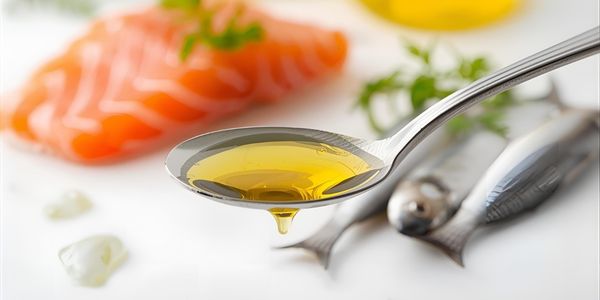
Omega-3 Fatty Acids: Fish Oil That Isn’t Rancid
Omega-3s are probably the most universally useful supplement for pets.
They support joints, skin, coat, heart health, and brain function all in one go.
- Skin & coat: Helps reduce itchiness, dandruff, and dull, flaky skin.
- Inflammation: Can lower overall inflammation, which is tied to arthritis, allergies, and general creakiness.
- Brain & eyes: Especially useful for puppies, kittens, and seniors to support cognition.
Good sources: Salmon oil, sardine oil, anchovy oil, or mixed marine oil with clear EPA/DHA amounts listed per pump or capsule.
Red flags: Bottles that smell like a dock in summer, huge bargain jugs stored unrefrigerated, and foods that brag about "added omegas" without listing actual amounts per serving.
Omega-3s are fragile, heat, air, and time destroy them, so an old, cheap bottle is worse than nothing.
Probiotics & Digestive Support
Your pet’s gut is basically mission control for everything else: immunity, digestion, even mood.
When the bacteria in there are a mess, you see it in loose stools, gas, itching, or random sensitivity to food.
- Balances gut flora: Supports normal digestion and reduces random episodes of diarrhea or soft stools.
- Immune support: A big chunk of immune cells live in the intestines.
- Better nutrient absorption: A healthier gut means more benefit from every meal.
Decent pet probiotics typically list specific strains and have CFU counts in the billions per dose, not vague "proprietary blends" with no numbers.
From what research shows, species-appropriate strains and a daily dose in the 1–10 billion CFU range are common targets for dogs and cats.
Best for: Pets with sensitive stomachs, pets that just finished antibiotics, chronic gas machines, or those prone to diarrhea from minor food changes.

Multivitamins & General Support Blends
Multivitamins are not as exciting, but they fill in the boring gaps.
They matter most when the diet itself isn’t perfect, home-cooked food, picky eaters, or budget kibble with little variety.
- Vitamins A, B, D, E: Support eyes, nerves, metabolism, and antioxidant defenses.
- Minerals like zinc & selenium: Important for skin, coat, thyroid, and immune function.
- Trace elements: Help with enzyme reactions all over the body.
They are not meant to turn discount kibble into gourmet nutrition, but they can nudge things closer to complete when used sensibly.
For pets already eating genuinely good food, multivitamins are usually optional rather than essential.
Supplement Comparison Chart
| Supplement Type | Main Benefit | Best For | Jamie’s Verdict |
|---|---|---|---|
| Joint support (glucosamine etc.) | Helps maintain mobility and ease stiffness. | Senior pets, large breeds, active dogs, older cats. | Worth it if you buy high-dose, transparent products. |
| Omega-3 fish oil | Reduces inflammation, supports skin, coat, joints, heart. | Almost every dog and cat, especially itchy or arthritic ones. | Top-tier supplement, just avoid rancid bargain bottles. |
| Probiotics | Supports digestion and gut-based immunity. | Pets with sensitive guts, on antibiotics, or with recurring diarrhea. | Useful, but only if strain and CFU counts are clearly listed. |
| Multivitamins | Fills small nutrient gaps in unbalanced diets. | Homemade diets, picky eaters, recovering pets. | Decent safety net, not a magic shield for bad food. |
How to Judge Supplement Quality
This is where most owners get conned, fancy label, buzzwords, and zero substance behind it.
If you learn to read the fine print properly, you can dodge 80% of the junk in under a minute.
Look for Real Doses, Not Fairy Dust
Any brand can list "glucosamine" or "probiotic blend" on the front.
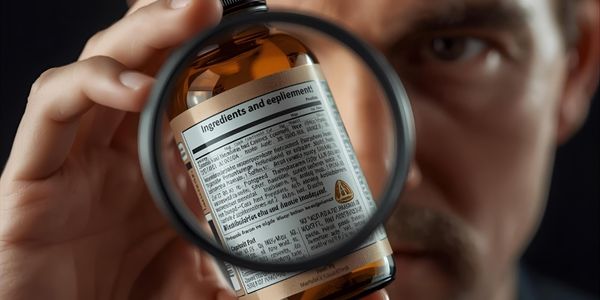
The back of the label is where you find out if that ingredient is doing anything more than decorating the marketing copy.
- Exact milligrams per serving: Serious products list numbers clearly in a supplement facts box.
- No vague "proprietary blends": That usually means tiny amounts of the expensive stuff hidden in a pile of cheap filler.
- Reasonable serving size: If your 20-pound dog supposedly needs 8 chews a day, something went wrong in formulation.
Common sense dictates: if a supplement looks suspiciously cheap for the claims it makes, the doses are probably laughable.
The NASC Seal and Third-Party Testing
Pet supplements are not pre-approved by the FDA before they hit shelves, which leaves a lot of room for nonsense.
The National Animal Supplement Council (NASC) exists specifically to tighten things up a bit.
- NASC Quality Seal: Indicates the company follows certain manufacturing and quality-control standards.
- Audit requirements: Brands with the seal have passed independent inspections of their processes.
- Label accuracy: The seal suggests the ingredients on the label are more likely to match what’s in the tub.
Is it a perfect guarantee? No.
But between two similar products, picking the one with the NASC seal is usually the less risky bet.
Form Factors: Chews, Powders, Liquids, Pills
Companies love soft chews because they’re easy to sell and easy to overprice.
The form matters less than the dose and your pet’s ability to take it, but each option has quirks.
| Form | Pros | Cons | Jamie's Take |
|---|---|---|---|
| Soft chews | Pets think they’re treats. Easy to give. | Often loaded with fillers, lower potency, higher price per dose. | Convenient but overpriced; check doses carefully. |
| Powders | High potency, easy to adjust doses, good value. | Can be messy and some pets dislike the taste. | Best money-to-ingredient ratio if your pet accepts it. |
| Liquids/oils | Good absorption, easy to mix into food. | Can go rancid, strong smell, needs proper storage. | Great for omega-3s if stored correctly. |
| Pills/capsules | Exact dosing, long shelf life. | Harder to give, especially to suspicious cats. | Fine if your pet tolerates pilling without a wrestling match. |
Brand Recommendations (Without Selling Your Soul)
This isn’t about handing free advertising to any specific company.
It’s about giving you a checklist so you can spot the less terrible options on your own, regardless of what the pet shop is pushing this week.
Things better brands tend to have in common:
- Clear dosing information by pet weight, not some vague "1 chew per day" for everything from Chihuahuas to Great Danes.
- Third-party testing or NASC membership mentioned on the website or label.
- Ingredients you can actually recognise instead of endless "proprietary blends."
- Realistic price, proper joint support or probiotics rarely cost under $15–$20 for a month’s supply.
If a brand seems more focused on colourful packaging and influencer partnerships than hard data, your pet is probably not their real priority.
Matching Supplements to Your Actual Pet
Not every animal needs every supplement, no matter how persuasive the marketing sounds.
Throwing five different powders into the bowl "just in case" is a great way to waste money and potentially unbalance things further.
Dogs that may benefit most:
- Large-breed adults and seniors with visible stiffness or joint history.
- Itchy, allergy-prone dogs that constantly chew paws or scratch.
- Dogs with recurring digestive upsets or sensitive stomachs.
Cats that may benefit most:
- Older cats that jump less or seem hesitant on high surfaces.
- Cats with chronic hairball or gut issues.
- Indoor-only cats eating nothing but dry food.
You’re not aiming to build a supplement shrine on your kitchen counter.
Pick one problem to address first, joints, skin, digestion, and see if a targeted supplement actually moves the needle over a few weeks.
Safety, Side Effects, and When to Back Off
"Natural" does not automatically mean "safe in any amount."
Too much of the wrong thing can absolutely make your pet worse, not better.
- Fat-soluble vitamins (A, D, E, K): Stored in the body; overdosing repeatedly can become toxic.
- Calcium: Extra calcium for large-breed puppies can actually damage growing joints rather than protect them.
- Human supplements: Some contain Xylitol or other additives that are flat-out dangerous for dogs and cats.
- Medication interactions: Supplements that thin blood or affect the liver can clash with prescription drugs.
From what experience shows, the safest approach is: add one new supplement at a time, keep the dose sensible, and watch for any changes in appetite, stool, behaviour, or energy.
If anything goes sideways, stop and reassess instead of doubling the dose because "maybe they just need more."
Top 10 Recommended Supplements (5 for Dogs, 5 for Cats)
I don’t recommend products lightly. Most stuff on Amazon is overpriced garbage with a cute label. However, there are a few heavy hitters that actually put the right ingredients in the bottle at therapeutic doses.
If you’re going to spend money, these are the ones that are legally required to work (or at least, have the data to back it up). I’ve split this into the best options for dogs and cats so you don’t accidentally poison your feline with a dog chew.
The 5 Best Supplements for Dogs
- Best Overall Joint Support: Cosequin Maximum Strength Plus MSM
This is the gold standard. It uses FCHG49® Glucosamine and TRH122® Chondroitin, which sounds like marketing nonsense, but it actually means these specific forms have been researched in clinical trials. It’s significantly cheaper than the vet-prescribed version but does the exact same job. If your dog is over 7 or a large breed, this isn't optional; it's maintenance. - Best Omega-3 Fish Oil: Nordic Naturals Omega-3 Pet
Most fish oil is rancid trash that causes more inflammation than it fixes. Nordic Naturals is the exception. They use wild-caught anchovies and sardines (low mercury), and it comes in a bottle that actually protects the oil from light. It’s liquid gold for itchy skin, dull coats, and stiff joints. Warning: It smells like fish, because it is fish. Deal with it. - Best Probiotic (The Vet Standard): Purina Pro Plan FortiFlora
This is the #1 probiotic recommended by vets, not because they get paid to say it, but because it works. It uses a proprietary strain (Enterococcus faecium SF68) that is proven to survive digestion. It comes as a powder you sprinkle on food. Excellent for "garbage gut" dogs or resolving stress diarrhea. - Best for "Scooting" Issues: Glandex Anal Gland Soft Chews
If your dog drags their butt across your carpet, they don't need a priest; they need fiber. Glandex uses pumpkin seed and specialized fiber to bulk up stools, which helps the glands empty naturally. It’s a simple, gritty solution to a disgusting problem. Works better than constantly paying a groomer to squeeze them. - Best for Lazy Dental Care: ProDen PlaqueOff Powder
Let's be honest: you probably aren't brushing your dog's teeth every day. This powder is made from a specific seaweed that changes the chemistry of your dog's saliva to soften tartar. It has the VOHC Seal of Acceptance, which means it actually does something. It won't replace a dental cleaning, but it definitely buys you time.
The 5 Best Supplements for Cats
- Best for Gut Health & Immunity: Purina FortiFlora Probiotic for Cats
Cats are notoriously picky, but this stuff is like magic dust. It contains the same proven probiotic strain as the dog version, but it's flavored with animal digest (gross to us, delicious to them). If your cat stops eating or has loose stools, this is the first line of defense. It fixes the gut and bribes them to eat. - Best Joint Support (Cat-Specific): Nutramax Cosequin for Cats
Do NOT give your cat dog joint chews; the dosing is all wrong. This version is formulated specifically for feline kidneys and metabolism. It’s a sprinkle capsule, break it open and dump the powder on their wet food. Essential for older cats who have stopped jumping on the counter (which is usually a sign of pain, not "slowing down"). - Best Hairball Control: Vetoquinol Laxatone
It’s not glamorous, but if you’re tired of stepping on cold, wet hairballs at 3 AM, buy this. It’s a maple-flavored gel that lubricates the digestive tract so hair passes out the back end instead of coming up the front. It’s been around forever because it works. Simple as that. - Best Immune Support (The Sneeze Fix): Vetoquinol Viralys (L-Lysine)
Many shelter cats carry feline herpesvirus (FHV-1), which causes chronic sneezing and runny eyes. L-Lysine helps suppress the virus. This powder mixes easily into wet food. If your cat always sounds like they have a cold, this is the standard maintenance supplement to keep their immune system fighting. - Best Calming Support: Vetoquinol Zylkene
Most "calming" treats are just herbal placebos. Zylkene is different, it uses a hydrolyzed milk protein (alpha-casozepine) that mimics the calming mechanism of nursing. It’s actual science, not vibes. Great for vet visits, moving houses, or introducing new pets without turning your cat into a hissing demon.
How Long Until You See Results?
Supplements are not espresso shots; they work slowly by shifting underlying processes.
If you expect miracles in three days, you will be disappointed and probably bin decent products too early.
- Joint support: Often needs 4–6 weeks of daily use before mobility changes are obvious.
- Skin and coat: Plan on 6–12 weeks, fur has to regrow with better support behind it.
- Probiotics: Digestion may improve within 1–2 weeks if the product suits your pet.
- General multivitamins: Changes are subtle, slightly better energy or resilience over time rather than dramatic moments.
Track before-and-after video of movement, photos of coat condition, or even a short log of symptoms; memory is terrible at noticing slow improvements.
Bottom Line: When Supplements Are Worth Your Money
Supplements are tools, not miracles, and certainly not replacements for proper food, exercise, or real medical care when something is seriously wrong.
Used wisely, though, they can turn "just managing" into "actually doing pretty well" for a lot of dogs and cats.
- Prioritise omega-3s, a solid joint formula, and a good probiotic before you start buying fancy niche blends.
- Choose products with clear doses, honest labels, and preferably the NASC seal.
- Match what you buy to your pet’s real issues instead of chasing every marketing claim.
- Give them long enough to work before you decide they’re useless.
Your pet doesn’t care what the label looks like.
They care whether their hips hurt less, their stomach stops twisting itself into knots, and they can get on the sofa without doing advanced physics first.
If a handful of well-chosen supplements helps them do that, then it’s money well spent, and you’ve successfully dodged a lot of the industry’s nonsense along the way.
Pet Supplements Related Articles
- The No-Nonsense Guide to Healthy Pet Treats (Dogs & Cats)
- Raw Diet for Dogs & Cats: The Complete Beginner's Guide (2026)
- Homemade Pet Food Guide: Vet-Approved Recipes That Work
🐾 Frequently Asked Questions
Q Are pet supplements even necessary if I feed “premium” kibble?
“Premium” mostly means the marketing budget was higher. If your dog or cat is young, healthy, and thriving, you might not need much beyond decent food and exercise. But once you start seeing itchy skin, dodgy joints, or recurring gut issues, targeted supplements can absolutely help. Think of them as patching the holes left by processed food and modern life, not as a free pass to feed rubbish.
Q What’s the single most useful supplement to start with?
For most pets, omega-3 fish oil wins that crown. It hits joints, skin, coat, and inflammation all at once, and the side effects are usually positive as long as the oil isn’t rancid and the dose is sensible. If your budget only covers one thing, a good-quality fish oil beats 90% of the gimmicky “advanced wellness chews” on the shelf.
Q Do joint chews for dogs actually work or is it all hype?
The cheap ones with cartoon bones on the front are mostly hype. Proper joint supplements, with real amounts of glucosamine, chondroitin, MSM, and sometimes green‑lipped mussel, can genuinely help mobility, especially in older or large-breed dogs. The catch is you have to give them daily for weeks and buy products that list milligrams clearly, not vague “proprietary blends.”
Q Can I give my cat the same supplements I give my dog?
Not by default, no. Cats are biochemical weirdos compared to dogs. Some dog products are safe for both species, but only if the label explicitly says so. Things like certain essential oils, pain relievers, and even some herbal additives can be far more dangerous to cats. When in doubt, get a cat‑specific version or skip it entirely until you’ve double‑checked.
Q How do I know when a supplement is just wasting my money?
If you’ve used a properly dosed product for the right issue, every day, for at least a month (longer for joints and coat) and absolutely nothing has changed, no movement, no stools, no energy, no itch relief, then it’s probably not doing much for your particular pet. At that point, switch brands, try a different category, or stop altogether instead of building a shrine of half‑empty tubs on your counter.

📖 Related Articles

The truth about Whisker Fatigue: Myths, Facts & Solutions

💬 Comments (0)
No comments yet. Be the first to share your thoughts! 👇
✍️ Leave a Reply