Why Do Dogs Tilt Their Heads? The Gritty Truth Behind the Cute
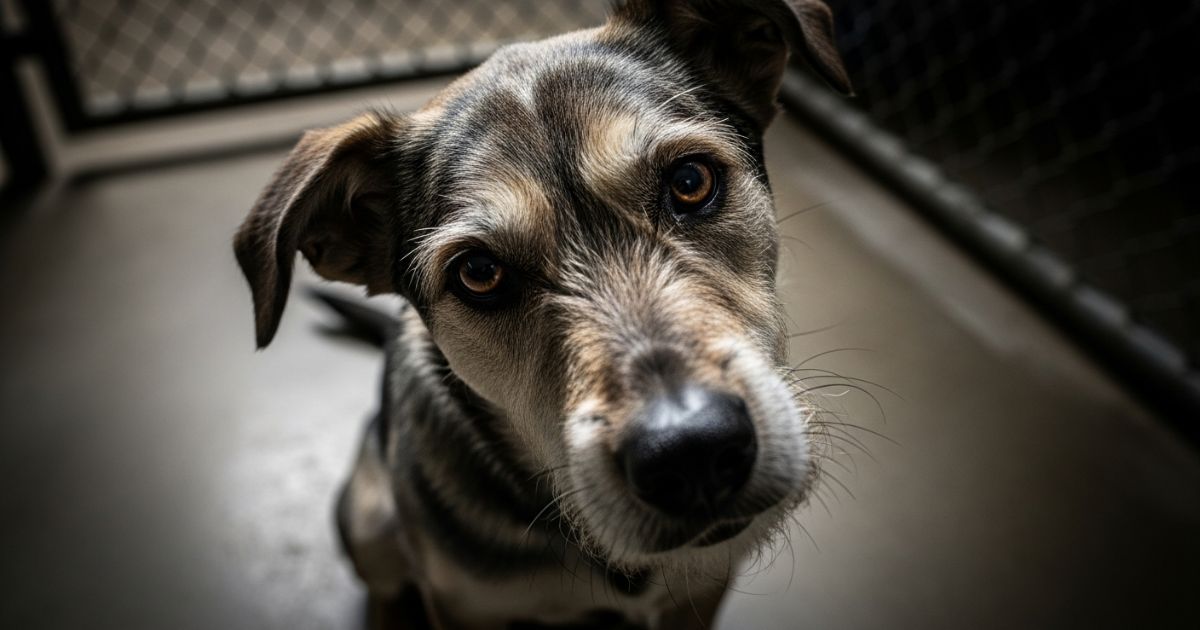
Why do dogs tilt their heads? Is it calculation? Is it confusion? Or is it a sophisticated biological mechanism designed for survival?
Most people think it’s just cute, a quirk designed to extract treats or secure a spot on the bed. And sure, that’s part of the hustle.
But when you’ve spent as many nights as I have waiting for a feral dog to trust a trap, you realize there are mechanics behind the magic. It’s sensory, it’s emotional, and frequently, it’s medical. We’re going to dig into the grit of it today.
We’re going to strip away the anthropomorphism and look at the biology, the acoustics, and the neurology of the head tilt. Because if you want to really help them, you have to understand what they are actually saying.
The Emotional Hustle: Evolutionary Manipulation
Dogs have been evolving alongside us for roughly 30,000 years, they are not just passive observers; they are active students of the human condition. They have become masters at reading the human animal, and they know we are suckers for vulnerability.
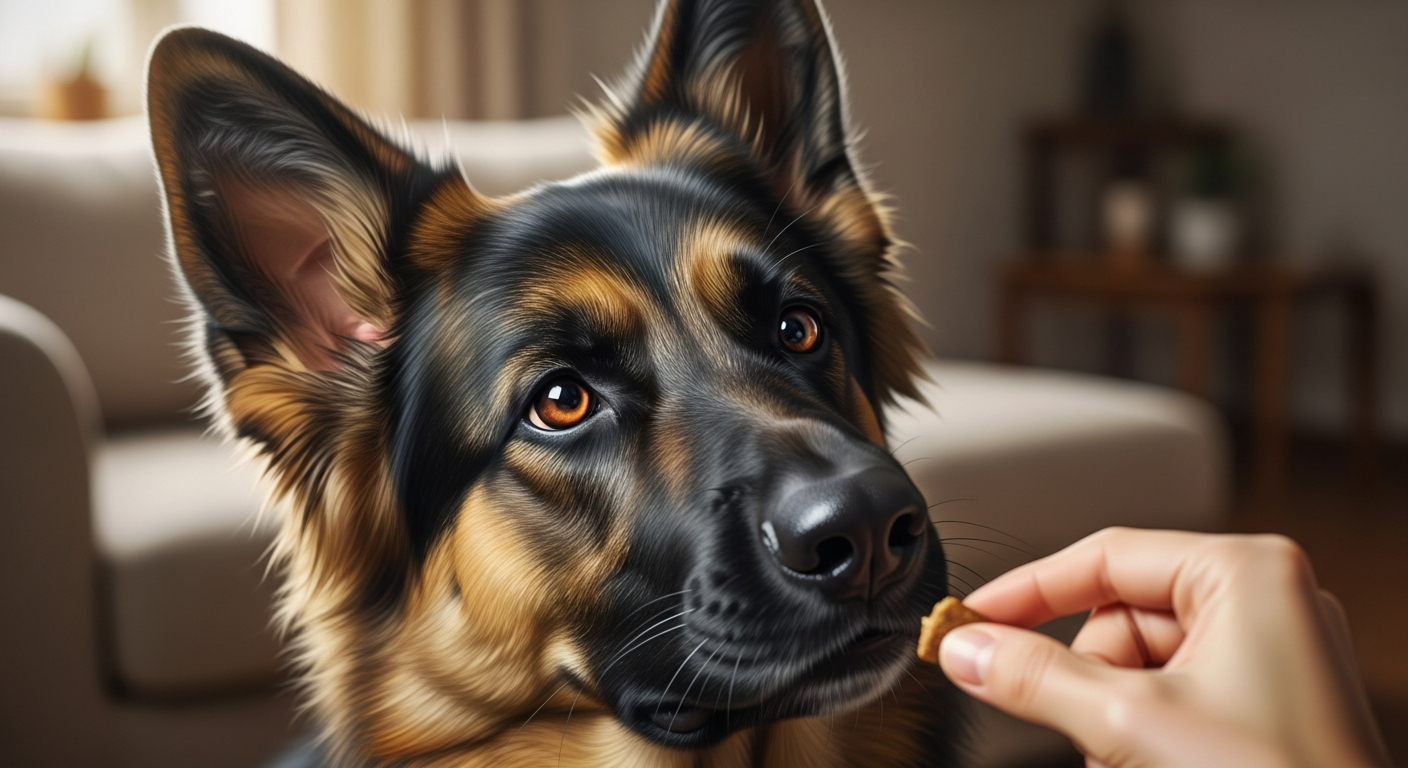
When a dog tilts its head, it exposes the neck (a sign of submission) and widens the eyes. This mimics the "baby schema" (or Kindchenschema in behavioral biology, the set of physical features found in human infants that triggers a caretaking response. Large head, big eyes, vulnerability. It triggers a nurturing response in our brains that is almost impossible to override chemically. I’ve seen hardened criminals melt because a Pitbull looked at them sideways.
It is a survival tactic. They learn very quickly that this specific posture stops the shouting, opens the fridge, or gets the hand moving behind the ears.
The Empathy Connection
This isn't to say their affection is fake. It is often the only real thing in this city. But they are also opportunists. If you laugh, coo, or hand over a piece of cheese every time your dog tilts their head, you are training them, you are engaging in a transaction. They provide the cute; you provide the goods. In the shelter, we see this with the "system workers", the dogs that know exactly how to work the potential adopters walking past the cages. They aren't just listening; they are selling themselves. And frankly, I respect the hustle.
However, studies suggest that dogs who tilt their heads frequently are often more socially attuned to their owners. They are the ones watching your face for micro-expressions, trying to gauge if the storm in your head is about to break. They are trying to synchronize with your emotional state. When I’m having a bad day, one of those days where the losses outnumber the wins, my own rescue, a beat-up Schnauzer, will sit there and tilt his head at my sigh. He isn't asking for food, he’s asking, "Are we fighting something, or are we sleeping?"
Positive Reinforcement Loops
We create the monster we love. Every time you smile at a head tilt, you release dopamine in your own brain, and you likely offer praise to the dog. Dogs are hedonists; they do what works. If tilting their head to the right gets a laugh, they will tilt to the right. If tilting to the left gets a piece of steak, they will tilt to the left. It is classical conditioning wrapped in fur.
-
The Trigger: You make a strange sound or say a keyword ("Walk," "Treat").
-
The Action: The dog tilts their head to process or engage.
-
The Reward: You react with affection, food, or attention.
-
The Result: The behavior becomes a permanent part of their arsenal.
RELATED: 12 positive reinforcement techniques for dogs that work
Auditory Mechanics: The Physics of Sound
Let’s get technical. Dogs don't hear the way we do. We have these flat little ears stuck to the sides of our heads, useless for anything other than holding up sunglasses. Dogs have mobile radar dishes. But even with those superior ears, they have limitations in vertical localization.
Why do dogs tilt their heads when they hear a siren or a squeaky toy? They are triangulating.
Frequency and Localization
Humans hear in a range of approximately 20Hz to 20,000Hz. Dogs, depending on the breed and age, can hear ultrasonic frequencies up to 47,000Hz or even 65,000Hz. They live in a world of sound we can't even imagine.
However, their ability to locate the source of a sound relies on the time difference between the sound wave hitting one ear versus the other (Interaural Time Difference).
When a sound comes from the side, it hits one ear slightly before the other. The brain calculates the delay and tells the dog "It's on the left." But when a sound comes from directly above, below, or in front, that time difference is negligible. By tipping the head, they offset their ears vertically.
This introduces a micro-second delay between the ears, allowing them to pinpoint the elevation and precise location of the noise.
The "Pinna" Factor
The shape of the ear (the pinna) matters immensely.
-
Prick Ears (German Shepherd, Malinois): These act as funnels. They are excellent at capturing sound, but the tilt helps fine-tune the vertical axis.
-
Floppy Ears (Hounds, Spaniels): These dogs have heavy leather flaps covering their auditory canals. This dampens sound transmission. Tilting the head helps lift the flap or shift the ear's position to allow sound waves a clearer path into the canal. It’s the canine equivalent of cupping your hand behind your ear in a noisy bar.
The Visual Obstruction: Getting the Snout Out of the Way
Imagine taping a red solo cup to your nose and trying to watch a movie. That is the life of a German Shepherd, a Greyhound, or any dolichocephalic (long-snouted) breed. They have these long, beautiful muzzles that are fantastic for sniffing out a three-day-old sandwich in a gutter, but terrible for binocular vision in the lower visual field.
When a dog looks you straight in the face, the lower part of your face is often obscured by their own nose. They can see your eyes, but they can't see your mouth.
The Importance of the Mouth
Why does this matter? Because dogs read mouths. While they track eye movement, the mouth is where the commands come from. The mouth is where the "good boy" comes from. It is also where the teeth are. In the animal kingdom, seeing the teeth (or lack thereof) is critical for threat assessment. If they can't see the bottom half of your face, they are missing half the conversation.
By tilting their head, they rotate their muzzle out of the central line of sight. It reveals your mouth. It allows them to see the full picture of your expression.
Stanley Coren’s Research
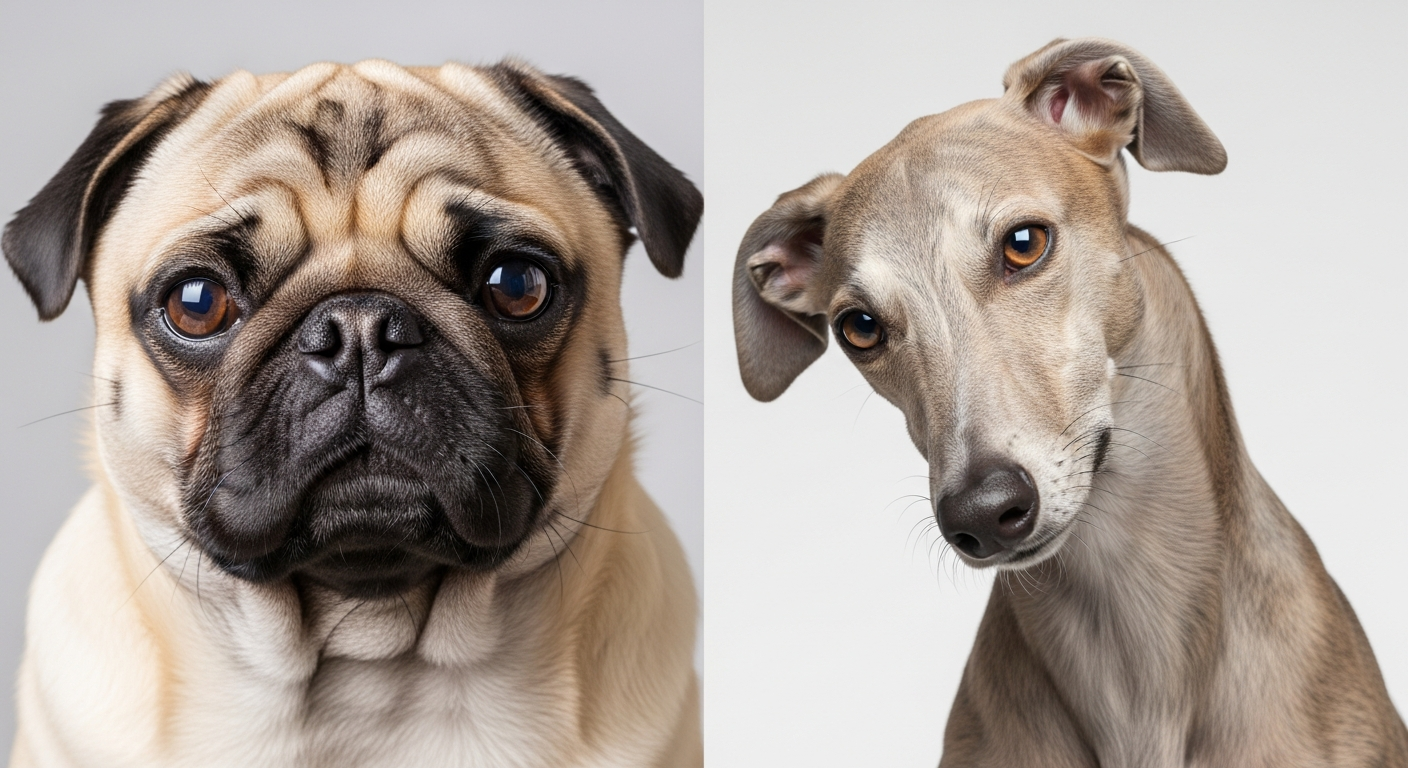
Stanley Coren, a psychologist and dog researcher who knows more about canine brains than I know about cheap whiskey, conducted a survey on this phenomenon. He found a direct correlation between snout length and head tilting.
-
Dolichocephalic (Long Heads): Greyhounds, Wolfhounds, Collies. These dogs tilted their heads significantly more often. They have a massive visual obstruction.
-
Brachycephalic (Flat Heads): Pugs, Bulldogs, French Bulldogs, Boxers. These dogs have almost no muzzle blocking their view. They tilted their heads less frequently because they can already see your entire face without adjustment.
If you have a Pug that tilts constantly, it’s auditory or emotional. If you have a Greyhound that tilts, he’s just trying to see if you’re smiling.
The Intelligence Factor: Processing Power
There is a correlation between intelligence and the frequency of the head tilt, specifically regarding "gifted" learner dogs. I’ve worked with dogs that were dumb as a bag of hammers, sweet, but the lights were on and nobody was home. They rarely tilted. They just existed. Then you get the Border Collies, the Poodles, the street-smart mutts who have survived on wits alone. They tilt. They process. They analyze.
The "Gifted Learner" Study
A study published in Animal Cognition (Sommese et al., 2021) focused on "Gifted Word Learner" dogs, those rare canines capable of learning the names of dozens of toys. The researchers found that these gifted dogs tilted their heads 43% of the time when asked to fetch a specific toy, compared to only 2% for typical dogs.
This suggests that the tilt is a physical manifestation of mental processing. The dog is accessing a database in their brain. You say "fetch the hedgehog," and the dog tilts. He is visualizing the hedgehog. He is matching the sound of the word to the mental image. It is a sign of high-level cognitive effort. They are thinking, not just reacting.
In my line of work, a thinking dog is a dog I can work with. A thinking dog can be trained to ignore a trigger. A thinking dog can learn that the mailman isn't a demon. If your dog tilts their head often when you speak, you might have a genius on your hands, or a very manipulative sociopath. With intelligent breeds, the line is thin.
RELATED: 10 Activities to keep your dog mentally stimulated
The Dark Side: When the Tilt Means Trouble
Now we get to the part that nobody likes to talk about, but I have to tell you because I’ve seen it too many times.
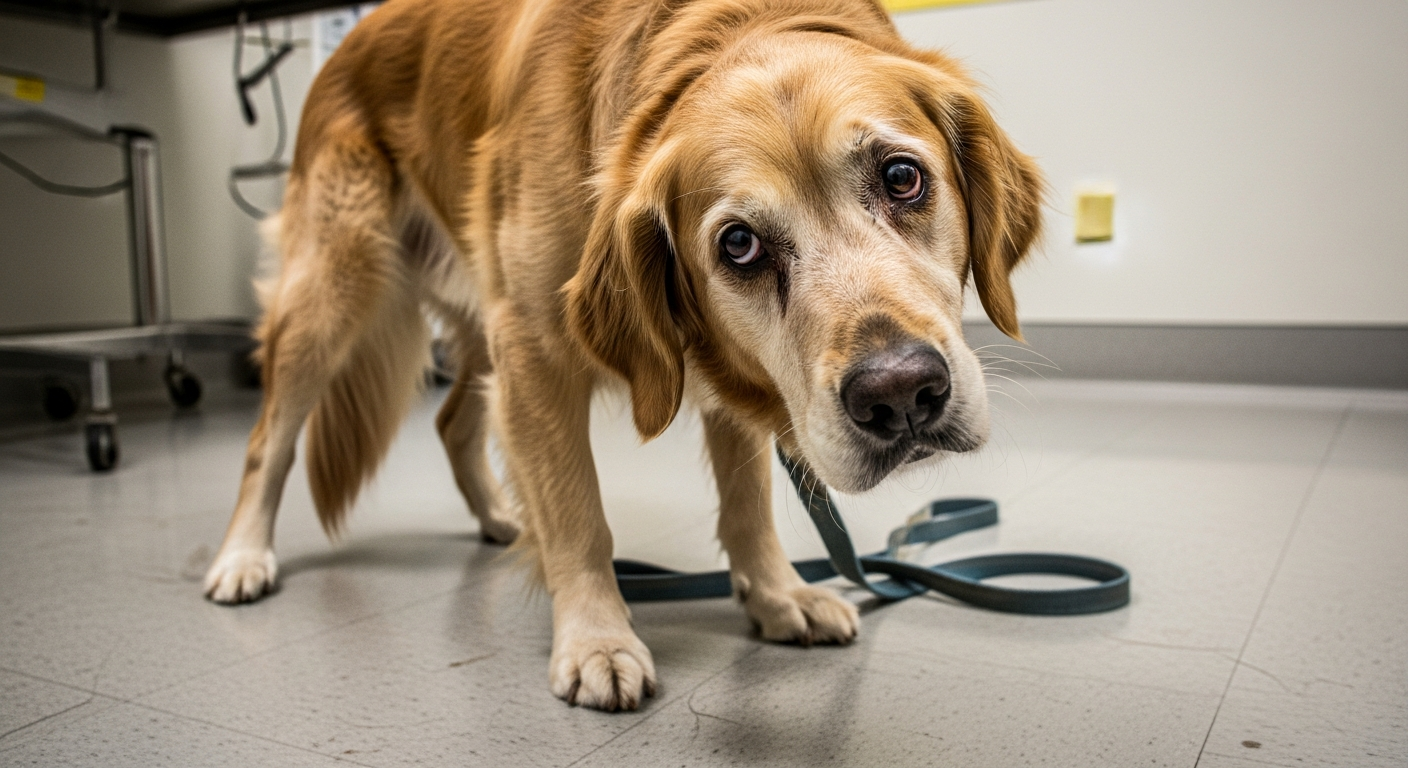
Sometimes, a head tilt isn't cute. Sometimes, it’s a scream for help. If your dog is tilting their head constantly, without you making a sound, or if they can't seem to hold their head straight, put down the camera and call the vet. We’re talking about the vestibular system, the mechanism in the inner ear that controls balance.
I remember a Golden Retriever named Buster came in as a stray, head cocked to the left like he was permanently confused. People thought it was adorable. I looked closer and saw his eyes were darting back and forth (nystagmus) and he was stumbling. That wasn't a cute trick; that was a raging infection that had eaten its way deep.
Ear Infections (Otitis)
The ear is divided into three sections: external, middle, and internal.
-
Otitis Externa: Infection of the outer ear canal. Common in floppy-eared dogs. It itches and hurts. The dog tilts to relieve pressure or drain fluid.
-
Otitis Media/Interna: If the infection breaches the eardrum, it hits the nerves. This causes vertigo, intense pain, and nausea.
In the shelter, we sniff ears before we look at teeth. The smell of a yeast or bacterial infection is distinctive, like old sourdough or rotting fruit. If you see a tilt accompanied by scratching, redness, or that smell, you need to move fast.
Vestibular Disease
Then there is "Old Dog Vestibular Disease" (Idiopathic Vestibular Syndrome). It hits seniors like a freight train. One day they are fine; the next, their head is twisted, they are falling down, and they are vomiting. It looks like a stroke. It scares the hell out of owners. I’ve sat on the floor with 14-year-old dogs while their owners cried, thinking it was the end.
The tilt is the primary symptom because their world is spinning. The gyroscope in their head is broken. The good news? It often clears up on its own with supportive care and anti-nausea meds. But you need a vet to rule out tumors or strokes.
Red Flags for Medical Tilts:
-
Nystagmus: Eyes darting rhythmically side-to-side or up-and-down.
-
Ataxia: Stumbling, falling over, walking in circles.
-
Nausea: Drooling, vomiting, refusal to eat.
-
Persistence: The head remains tilted even when the dog is resting.
The Rescue Dog Perspective: Trauma and Trust
In the trenches of rescue, the head tilt takes on a different meaning. For a dog that has been beaten or neglected, direct eye contact is a threat. A frontal approach is an attack. When I’m rehabbing a shut-down case, I watch for the tilt. A fearful dog keeps its head low and straight, eyes averted, muscles coiled.
When they finally look at me and tilt their head, it’s a white flag. It’s a moment of vulnerability.
It signifies a shift from the sympathetic nervous system ("fight or flight") to the parasympathetic system. They are daring to be curious about the human standing in front of them. It is the first crack in the armor. I had a Pitbull once, used for bait, scar tissue from nose to tail. For three weeks, he stared at the wall. The day I brought in a cheeseburger, he turned, looked at me, and tilted his head. He didn't eat the burger right away, but he asked a question with that movement. He asked, "Is that for me?"
That tilt is trust. It’s them lowering their guard enough to process information rather than just reacting to survival instincts. It is the most beautiful thing I see in this job. It’s better than a tail wag. A tail wag can be nervous energy; a head tilt is cognitive engagement. It means they are ready to learn a new way of living.
Decoding the Context: When to Worry and When to Film
Context is everything. You have to read the room. You have to read the rest of the dog. A head tilt in isolation is usually benign or curious. A head tilt combined with a stiff body, hard eyes, or a curled lip is a warning.
The Ladder of Aggression
Dogs rarely bite without warning. They signal discomfort long before they snap.
-
The Curious Tilt: Ears forward, mouth slightly open (relaxed), soft eyes, loose tail. This is safe.
-
The Assessment Tilt: Ears pinned back, mouth closed tight, hard stare, stiff body. This dog is calculating distance. This dog is figuring out if he can take you.
I tell new fosters this all the time: "Watch the tilt, but respect the teeth." If a dog tilts their head while guarding a bone, back off. They are assessing a threat. If they tilt their head while you’re crying on the sofa, lean in. They are offering support. It’s about knowing who you are living with.
How Breed Affects the Head Tilt
We touched on this with the snout shape, but breed temperament plays a massive role.
The Working Group (Shepherds, Collies, Malinois)
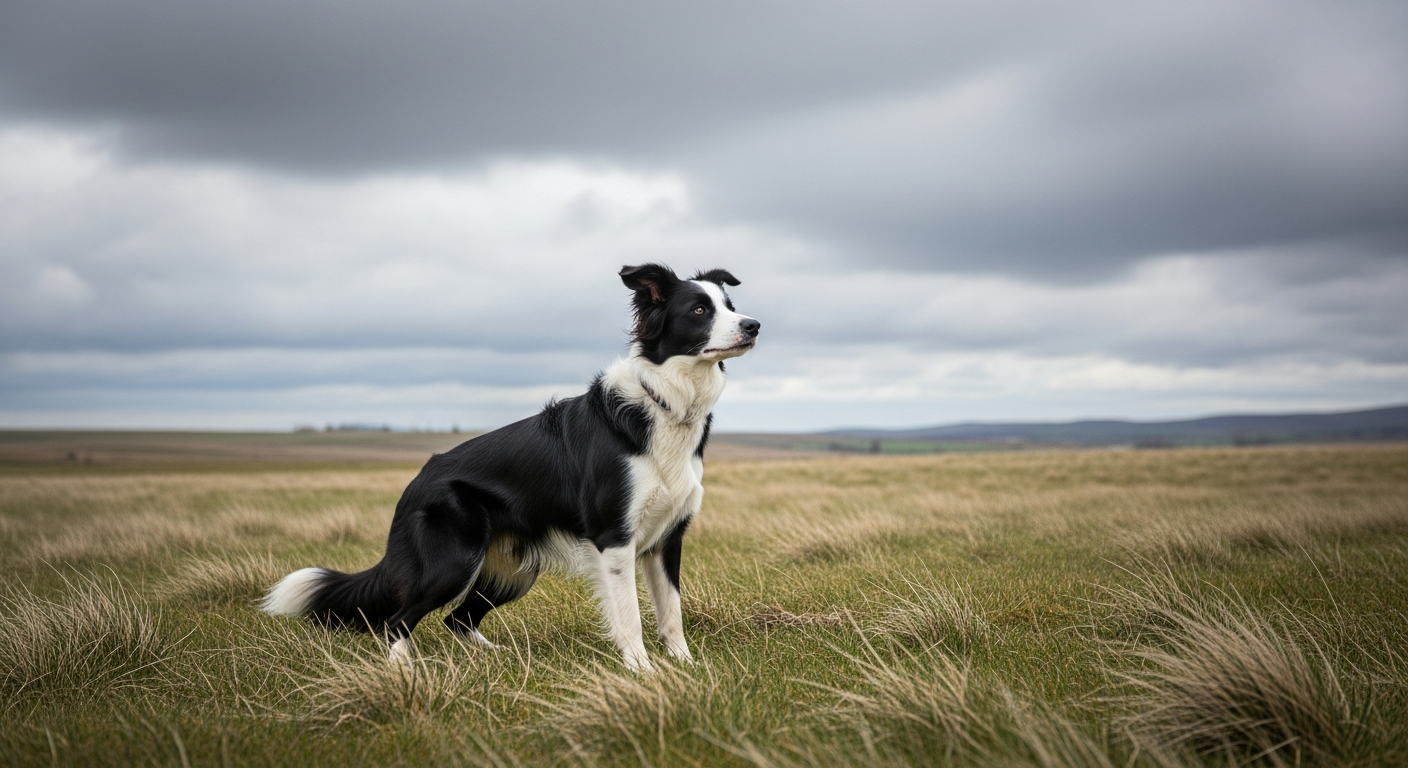
These dogs are bred to take instructions from humans at a distance. They are wired to listen. They are waiting for the command that tells them to herd the sheep or retrieve the duck. The tilt is them waiting for the "go" signal. They tilt frequently because their job depends on auditory clarity.
The Independent Group (Huskies, Shibas, Terriers)
They tilt less for instruction and more for curiosity. They aren't asking "What do you want me to do?" They are asking "What is that weird noise you're making?" The motivation is different. A Husky tilts its head at a siren because it wants to sing along. A Malinois tilts its head at a clicker because it wants to work.
The Brachycephalic Group (Bulldogs, Pugs)
As mentioned, visual obstruction isn't the driver here. When these dogs tilt, it is almost purely for sound localization or social engagement. If a French Bulldog is tilting at you, he's likely trying to charm you out of a snack, or he's trying to locate a sound that his heavy breathing is masking.
Conclusion: The Bond Behind the Tilt
So, why do dogs tilt their heads? Because they are trying to bridge the gap between their world and ours.
They are trying to see past their own noses, hear past their own ears, and understand the strange, hairless monkeys they rely on for survival. It’s a mix of biology, intelligence, and manipulation. It’s sensory adjustment and emotional blackmail all rolled into one furry package.
Next time your dog tilts their head at you, look back at them. Really look. They are giving you their full attention in a world that rarely stops to listen. They are trying to figure you out. And in a life that can be as cold and unforgiving as wet pavement in November, that level of engagement is a gift. Treasure it. Check their ears for infection, sure, but mostly, just appreciate that something in this universe cares enough to try and understand what you’re saying.
🐾 Frequently Asked Questions
Q Do all dog breeds tilt their heads?
Not all dogs do it with the same frequency. Dogs with longer muzzles (like German Shepherds) and "social" or working breeds (like Border Collies) tend to tilt their heads more often than flat-faced breeds or more independent dogs. However, almost any dog is physically capable of doing it.
Q Is it bad if my dog tilts his head all the time?
If the head tilt is constant and not related to a sound or interaction, yes, it can be bad. A persistent tilt, especially if accompanied by stumbling, eye darting, or scratching, can indicate an ear infection, vestibular disease, or neurological issues. Get a vet involved immediately.
Q Can I train my dog to tilt their head on command?
Absolutely. Because it's a behavior dogs naturally do when curious, you can capture it. Make a weird sound, and when they tilt, click and treat. Eventually, you can pair it with a word like "What?" Just remember, you're exploiting their curiosity for a party trick. Typical human.
Q Why do puppies tilt their heads more than adult dogs?
Puppies are blank slates. Everything is new. Every sound is a potential threat or a potential meal. They are constantly processing new data, so they tilt their heads to localize sounds and read faces more frequently than cynical old dogs who have seen it all before.
Q Do dogs tilt their heads to see better?
Yes. Dogs with long snouts have a blind spot right in front of their faces. Tilting their head moves their nose out of the way so they can clearly see your mouth and read your facial expressions. It’s their way of getting a better view of the boss.

📖 Related Articles
Training deaf dogs with hand signals: A Real-World Guide

Why Do Dogs Chase Their Tails? The Thin Line Between Play and Pathology
💬 Comments (0)
No comments yet. Be the first to share your thoughts! 👇
✍️ Leave a Reply