Best dog shampoos for sensitive skin: 5 Top Picks to Soothe Itch (2026)
Heads up: This post contains affiliate links. If you buy something through them, I earn a small commission at no extra cost to you. It keeps the lights on and the kibble bowl full. Read the full boring legal stuff here.
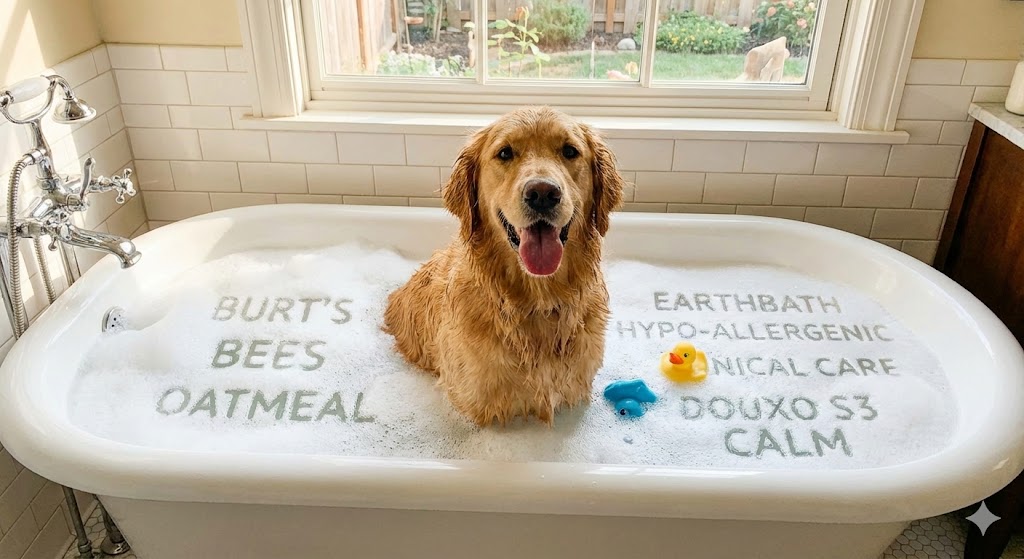
Most of the pet grooming industry is built on selling you pretty bottles filled with harsh detergents that would strip paint off a garage floor. If you are frantically searching for the best dog shampoos for sensitive skin, it’s likely because you’ve already spent hundreds of dollars on vet visits and "soothing" lotions that did absolutely nothing. I’ve been there, staring at a miserable, scratching dog while my bank account drains into the pockets of companies that prioritize shelf appeal over biology.
The reality is that your dog’s skin is a delicate ecosystem, and most commercial products destroy it in the name of smelling like "Tropical Breeze." I’ve learned through years of trial, error, and watching my own dogs suffer that the solution isn't usually the most expensive bottle, but the one with the right chemistry. This guide cuts through the marketing noise to give you the tools and products that actually stop the itch.
The Reality: Why Most "Sensitive" Shampoos Are Trash
You need to understand the mechanics of why your dog is miserable before you can fix it. The biggest lie in the pet industry is that "clean" means smelling like a flower shop. If a shampoo is heavily fragranced, it is almost certainly burning your dog’s compromised skin barrier.
Dogs have a much more alkaline skin pH than humans, usually sitting around 7.5, whereas we are acidic creatures. When you use the wrong product, you strip away the acid mantle, which is the thin layer of oil that protects them from bacteria and yeast. Once that barrier is gone, it’s open season for infections, leading to the endless scratch-chew-bleed cycle.
The Ingredient Minefield
Read the back of the bottle you currently have in your shower. If you see Sodium Lauryl Sulfate (SLS), you are essentially washing your dog with engine degreaser. Sulfates create that rich foam we associate with cleanliness, but they are disastrous for sensitive skin.
Another villain is the ambiguous term "fragrance" or "parfum." This is legal shorthand for "a chemical cocktail we don't have to disclose to you." For a sensitive dog, artificial fragrance is like rubbing sandpaper on a sunburn. You want ingredients that look like food, not a chemistry exam.
I used to think buying the "natural" brand at the big box store was safe until I realized "natural" is an unregulated marketing term. Arsenic is natural, but I wouldn't bathe my dog in it. You have to look for specific, clinically proven soothing agents like colloidal oatmeal or aloe vera, not just a green leaf on the label.
The Infection Connection
Sometimes, dry skin isn't just dry skin; it's a fungal takeover. If your dog smells like corn chips or old cheese, no amount of oatmeal shampoo will help. That smell indicates a yeast overgrowth or bacterial infection that requires medicated intervention, not a spa day.
Many owners mistake a Staph infection for simple dandruff. Using a moisturizing shampoo on a bacterial infection is like trying to put out a forest fire with a water pistol. You need to identify if the skin is broken, oozing, or scaly, because that dictates whether you need a soothing wash or a tactical nuke against fungus.
The products I recommend below cover both bases: the gentle maintenance for allergic dogs and the heavy artillery for infected skin. Knowing the difference saves you money and saves your dog from weeks of agony.
The Frequency Fallacy
There is a persistent myth that you shouldn't bathe a dog more than once a month. For dogs with environmental allergies, this is terrible advice. If your dog is allergic to grass or pollen, their fur is essentially a mop collecting billions of allergens every time they go outside.
Leaving those allergens on the skin causes the reaction to flare up. Therapeutic bathing involves washing the allergens off frequently with the right hydrating product. You can bathe a dog everyday if the shampoo is high quality and restores moisture rather than stripping it.
However, if you use a cheap detergent shampoo frequently, you will turn their skin into cracked parchment. The tool matters more than the timeline. It is about removing the trigger without removing the protection.
5 Best Dog Shampoos for Sensitive Skin Reviewed (2026)
I have tested dozens of bottles, thrown half of them in the trash, and kept only the ones that stopped my dogs from chewing their paws raw. These are the survivors.
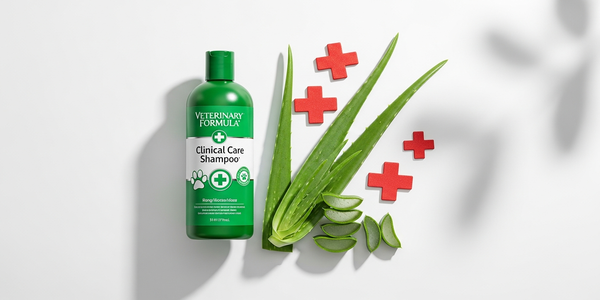
1. The Heavy Hitter: Veterinary Formula Clinical Care Antiseptic & Antifungal Shampoo
This is not a beauty product; it is medicine. If your dog has red, scaly patches or smells yeasty, this is the only thing that works. Veterinary Formula Clinical Care Antiseptic & Antifungal Shampoo ↗ uses Benzethonium Chloride and Ketoconazole to kill the bacteria and fungus driving the itch.
It doesn't smell like lavender; it smells like relief. You have to let it sit on the skin for 10 minutes or you are wasting your time. It’s cheap, effective, and belongs in every dog owner's emergency kit for when things get ugly.
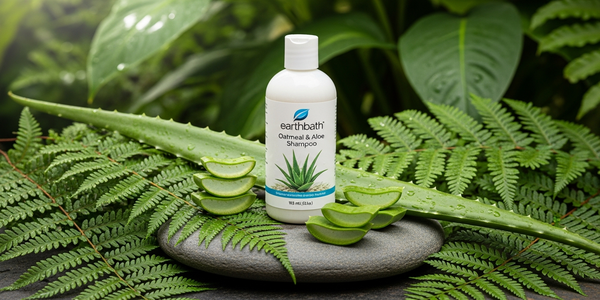
2. The Gentle Giant: Earthbath Oatmeal & Aloe Shampoo
For general maintenance of itchy but uninfected skin, this is the gold standard. It uses colloidal oatmeal and organic aloe vera to rehydrate the skin barrier. Earthbath Oatmeal & Aloe Shampoo ↗ is soap-free and pH-balanced specifically for canines.
I appreciate that the scent is mild vanilla and almond, which doesn't seem to trigger respiratory sneezing in sensitive dogs. It lathers well without stripping the essential oils. This is your weekly driver for a dog that just has dry, flaky skin.
3. The Organic Purist: 4-Legger Organic Dog Shampoo
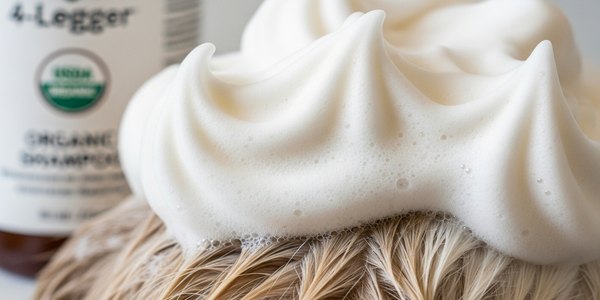
If you are paranoid about synthetic chemicals, and you should be, this is your bottle. It is USDA Certified Organic, which is a standard almost no other pet shampoo meets. 4-Legger Organic Dog Shampoo ↗ uses saponified organic oils like coconut and olive.
Be warned: the consistency is thinner than the chemical sludge you are used to. It rinses out incredibly fast, which is a godsend for dogs who hate the bath. There are no thickeners or artificial foamers here, just pure cleaning agents.
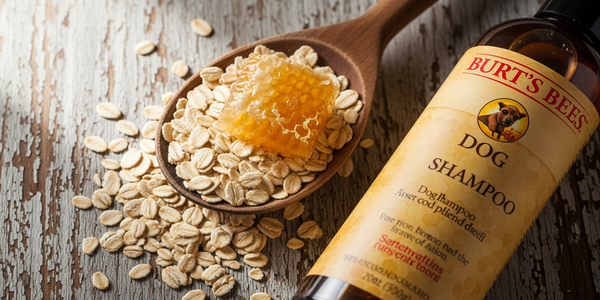
4. The Budget Soother: Burt's Bees for Dogs Natural Oatmeal Shampoo
Sometimes you just need something affordable that won't make things worse. This formula is 97% natural and incredibly mild. Burt's Bees for Dogs Natural Oatmeal Shampoo ↗ is so gentle it barely lathers, which confuses people who equate bubbles with cleaning.
It includes honey, which is a natural humectant that draws moisture into the skin. It’s not strong enough for a greasy, filthy farm dog, but for a sensitive house dog, it’s perfect. You can use this frequently without fear of drying them out.
5. The Relief Specialist: TropiClean OxyMed Medicated Oatmeal Treatment
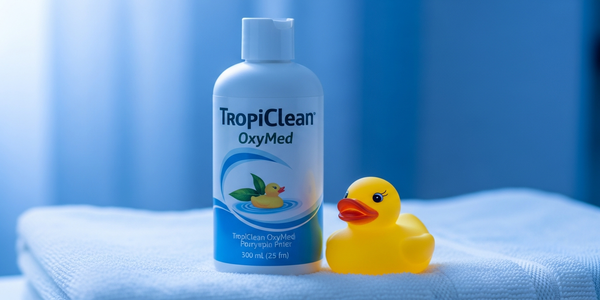
Technically a rinse/treatment, but it pairs with their wash for immediate impact. This stuff is like applying a cooling gel to a burn. TropiClean OxyMed Medicated Oatmeal Treatment ↗ contains beta hydroxy to exfoliate the dead skin cells clogging the pores.
It stops the itch on contact for many dogs. I use this when a dog is in a frenzy of scratching and needs immediate calm. It helps lift the dandruff and creates a protective barrier that lasts for a few days.
The Protocol: How to Bathe a Sensitive Dog (Without Ruining It)
Disclaimer: I am a writer with years of dog ownership experience, not a veterinarian. If your dog has open wounds, severe bleeding, or signs of systemic illness (lethargy, vomiting), put down the phone and go to a vet clinic.
Buying the shampoo is the easy part; using it correctly is where most people fail. You can have the best medical shampoo in the world and render it useless by rinsing too early. The following protocol is what actually makes the difference between a clean dog and a healed dog.
Phase 1: The Setup and Prep
Do not just drag your dog into the tub and turn on the tap. Sensitive skin reacts to thermal shock, so water temperature is critical. You want tepid water, lukewarm, bordering on cool. Hot water inflames the skin and increases the itching sensation immediately.
You need a non-slip mat because a stressed dog scrambling for footing will tear their nails and panic. Panic raises cortisol, and stress hormones exacerbate skin conditions. Have your Earthbath Oatmeal & Aloe Shampoo diluted in a cup of water beforehand; it spreads easier and requires less scrubbing.
Brush the dog before they get wet. Water tightens mats and traps dead skin against the surface. Use a slicker brush to remove the dead undercoat so the water can actually reach the skin where the problem lives.
Phase 2: The Contact Time Rule
This is the step everyone skips because it is boring and annoying. If you are using a medicated product like Veterinary Formula Clinical Care Antiseptic & Antifungal Shampoo, you must leave it on for 10 full minutes. Not three minutes, not "until they shake," but ten minutes.
The active ingredients need time to penetrate the biofilm of bacteria. Use a timer on your phone, because three minutes feels like ten when you are holding a wet dog. Massage the lather into the armpits, groin, and paws, the "hot spots" where yeast thrives.
If you rinse it off immediately, you have just degreased the skin without killing the fungus. You’ve essentially stripped the defense without attacking the invader. Distract them with a lick mat smeared with peanut butter to buy yourself the time.
Phase 3: The Rinse and Dry
Residue is the enemy. If you leave even a trace of shampoo on sensitive skin, it will dry into a crust that causes insane itching. Rinse until the water runs clear, and then rinse for two more minutes.
When drying, never use a hair dryer on a hot setting. Heat activates the itch receptors and dries out the epidermis. Use a high-velocity dryer on "no heat" or simply towel dry vigorously with microfiber towels which absorb more water than cotton.
Pat the skin dry rather than rubbing aggressively if there are sores. Aggressive rubbing can burst pustules and spread infection. Be gentle, be thorough, and ensure they are bone dry, especially between the toes where moisture breeds fungus.
Prevention: Stopping the Itch Before It Starts
Shampoo is reactive; prevention is proactive. You cannot wash away a bad diet or a toxic environment. If you find yourself needing the medicated shampoo every single week for months, you aren't fixing the problem; you're just managing a symptom.
The Dietary Foundation
Skin is built from the inside out. If your dog is eating kibble filled with corn, wheat, and soy, their skin will never be healthy. These cheap fillers are common allergens that manifest as skin inflammation.
You need to look at Omega-3 fatty acids. Adding fish oil to your dog's food is the single most effective internal change for skin health. It builds the lipid barrier that keeps moisture in and allergens out. Expect to spend about $20-$30 a month on a quality oil, but it saves you hundreds in vet bills.
Hydration is also key. Most dogs on dry food are chronically mildly dehydrated. Add water or bone broth to their food to ensure the skin stays pliable and hydrated from within.
Environmental Warfare
Your house is likely part of the problem. Dust mites, human dander, and cleaning chemicals on your floor are constant assaults on a sensitive dog. Wash their bedding weekly in hot water with fragrance-free detergent.
Stop using scented plug-ins and floor cleaners that smell like pine forests. Your dog walks on that floor and then licks their paws, ingesting those chemicals. Switch to vinegar and water or pet-safe cleaners to reduce the chemical load on their system.
Wipe their paws every time they come in from outside. A simple wipe removes pollen and lawn chemicals before they have a chance to burrow into the skin. It takes 30 seconds and prevents hours of chewing.
The Brushing Mandate
Dead hair is a trap for dirt and bacteria. If you don't brush your dog, the skin creates a stifling, humid layer under the dead coat. This is the perfect breeding ground for hot spots.
Invest in the right brush for your coat type. Brushing stimulates the natural oil production and distributes it along the hair shaft. It’s free, it bonds you with the dog, and it mechanically removes the irritants that cause itching.
Common Mistakes That Ruin Progress
I’ve made all of these mistakes, so I’m saving you the trouble. The road to a bald, itchy dog is paved with good intentions and bad techniques. Avoid these pitfalls to keep the skin barrier intact.
Using Human Shampoo
Do not use your baby shampoo on your dog. The pH difference is real, and human shampoo is too acidic for canines. It disrupts their acid mantle, leaving them vulnerable to parasites and bacteria. Just because it’s gentle for a human baby doesn't mean it works for a dog.
Over-Bathing with Detergents
While therapeutic bathing is good, recreational bathing with harsh soap is bad. If you wash your dog weekly with a strong flea shampoo "just in case," you are nuking their skin. Only use harsh shampoos when there is a specific target (like fleas), otherwise stick to the gentle options like Burt's Bees for Dogs Natural Oatmeal Shampoo.
Ignoring the Ears
Skin issues and ear infections go hand in hand. If you treat the body but ignore the yeast factory in the ears, the scratching will never stop. Often, the dog is scratching the neck because the ears itch. Clean the ears weekly with a veterinary cleaner.
Giving Up Too Soon
Skin healing is slow. You will not see a miracle after one bath. It takes roughly 28 days for skin cells to turn over. You need to commit to a protocol for at least a month before deciding a product doesn't work.
Quick Reference: The Itch-Free Checklist
- Check the Skin: Red/Smelly = Medicated Shampoo. Dry/Flaky = Oatmeal Shampoo.
- Water Temp: Tepid only. If it feels warm to you, it's too hot for them.
- Contact Time: 10 minutes on the clock for medicated washes.
- Rinse: Rinse until clear, then rinse again.
- Drying: Pat dry or cool air dryer. No heat.
- Tools: Use 4-Legger Organic Dog Shampoo for pure ingredients or TropiClean OxyMed Medicated Oatmeal Treatment for instant relief.
- Maintenance: Wash bedding weekly, wipe paws daily, add Omega-3s to food.
Managing sensitive skin is a marathon, not a sprint. It requires patience, money, and the willingness to ignore the flashy marketing in the pet aisle. Start with the right shampoo, fix the bathing technique, and clear the environment of triggers. Your dog can’t thank you verbally, but they will thank you by finally sleeping through the night without scratching.
🐾 Frequently Asked Questions
Q What ingredients should I avoid in dog shampoos for sensitive skin?
Avoid artificial fragrances, dyes, sulfates, and parabens. These harsh chemicals can strip natural oils from your dog's coat and exacerbate itching or allergic reactions.
Q How often should I bathe a dog with sensitive skin?
Generally, bathe your dog every 4 to 6 weeks. Over-bathing can dry out the skin, but if you are using a medicated shampoo prescribed by a vet, you may need to bathe them more frequently during treatment.
Q Can I use human baby shampoo on my dog?
While baby shampoo is gentle, it is not pH-balanced for dogs. A dog's skin is more alkaline than a human's, so using human products can disrupt their acid mantle, leading to bacteria growth and irritation.
Q Why is my dog still itching after a bath?
If your dog itches after a bath, it could be due to not rinsing the shampoo out completely, using water that was too hot, or an allergic reaction to the shampoo ingredients. Dry skin from blow-drying too closely can also be a cause.
Q Do oatmeal shampoos actually help sensitive skin?
Yes, colloidal oatmeal is highly effective for sensitive skin. It contains avenanthramides, which have anti-inflammatory and anti-itch properties that soothe irritated skin and lock in moisture.

📖 Related Articles
Training deaf dogs with hand signals: A Real-World Guide

Why Do Dogs Chase Their Tails? The Thin Line Between Play and Pathology
💬 Comments (0)
No comments yet. Be the first to share your thoughts! 👇
✍️ Leave a Reply