7 Best Dog Joint Supplements (2026)
📋 This post contains affiliate links. If you buy something through them, I earn a small commission at no extra cost to you. Details.

Veterinary Disclaimer: This article is for informational purposes only and does not constitute veterinary medical advice. Always consult a licensed veterinarian before starting your dog on any new supplement, especially if your dog has existing health conditions or takes prescription medication.
If your dog has started slowing down on walks, hesitates before jumping into the car, or seems stiff after a long nap, joint discomfort may be to blame. According to the American Veterinary Medical Association (AVMA), osteoarthritis affects an estimated 1 in 5 adult dogs in the United States, and it is frequently under-diagnosed because dogs are hard-wired to hide pain.

The good news: the right joint supplement can meaningfully slow cartilage deterioration, reduce inflammation, and restore your dog's quality of life, particularly in large breeds and aging dogs. The challenge is that the pet supplement market is largely unregulated. The FDA does not pre-approve most joint supplements before they reach store shelves, which means product quality varies enormously between brands, and some products contain far less of their advertised active ingredients than claimed.
I have worked with rescue dogs for over a decade, including senior Labrador Retrievers, German Shepherds with hip dysplasia, and dogs in post-surgical rehabilitation. In this guide, I evaluated seven of the most widely recommended joint supplements based on ingredient quality, third-party testing, verifiable clinical evidence, real-world palatability, and cost per day.
RELATED ARTICLE: The Silent Epidemic: Recognizing the Hidden Signs of Arthritis in Dogs Before the Limp
How We Evaluated These Supplements
Every supplement on this list was scored against six criteria:
- Active ingredient concentration: Effective therapeutic doses of glucosamine (500–1,000 mg/day), chondroitin (400–800 mg/day), and MSM (500–1,000 mg/day), as referenced in the WSAVA Global Nutrition Guidelines
- Third-party quality certification: NASC (National Animal Supplement Council) Quality Seal, NSF certification, or equivalent independent verification
- Ingredient bioavailability: Form of glucosamine used (HCl is more concentrated than sulfate), delivery format (soft chew, tablet, liquid)
- Palatability: Acceptance rate across different breeds and sensitivities observed in a rescue shelter setting
- Cost per serving: Calculated daily cost at the recommended therapeutic dosage for a 50 lb dog
- Manufacturer transparency: Country of origin, facility standards, and traceability of raw ingredients
Signs Your Dog May Need Joint Support

Joint deterioration in dogs almost never announces itself suddenly. Most owners notice a slow accumulation of subtle behavioral changes over months. Watch closely for these warning signs:
- Reluctance to jump onto furniture, climb into the car, or go up stairs
- Stiffness after resting, especially first thing in the morning or after a car ride
- Reduced enthusiasm for walks or play that your dog previously loved
- Visible swelling or heat around the knees, hips, elbows, or wrists
- Persistent licking or chewing at a specific joint
- Altered gait, "bunny hopping" with both hind legs moving together is a classic early sign of hip dysplasia in large breeds
- Gradual muscle loss in the hindquarters
- Increased irritability when touched around certain areas
If you observe two or more of these signs consistently over two weeks, schedule a veterinary evaluation. Radiographs (X-rays) remain the definitive diagnostic tool for osteoarthritis and hip dysplasia. Joint supplements work best as preventative support or early-stage intervention, not as substitutes for veterinary diagnosis or prescription treatment.
Key Ingredients to Look For (and Why They Work)
Understanding the science behind joint supplement ingredients helps you cut through marketing language and evaluate products on merit.
Glucosamine HCl or Sulfate
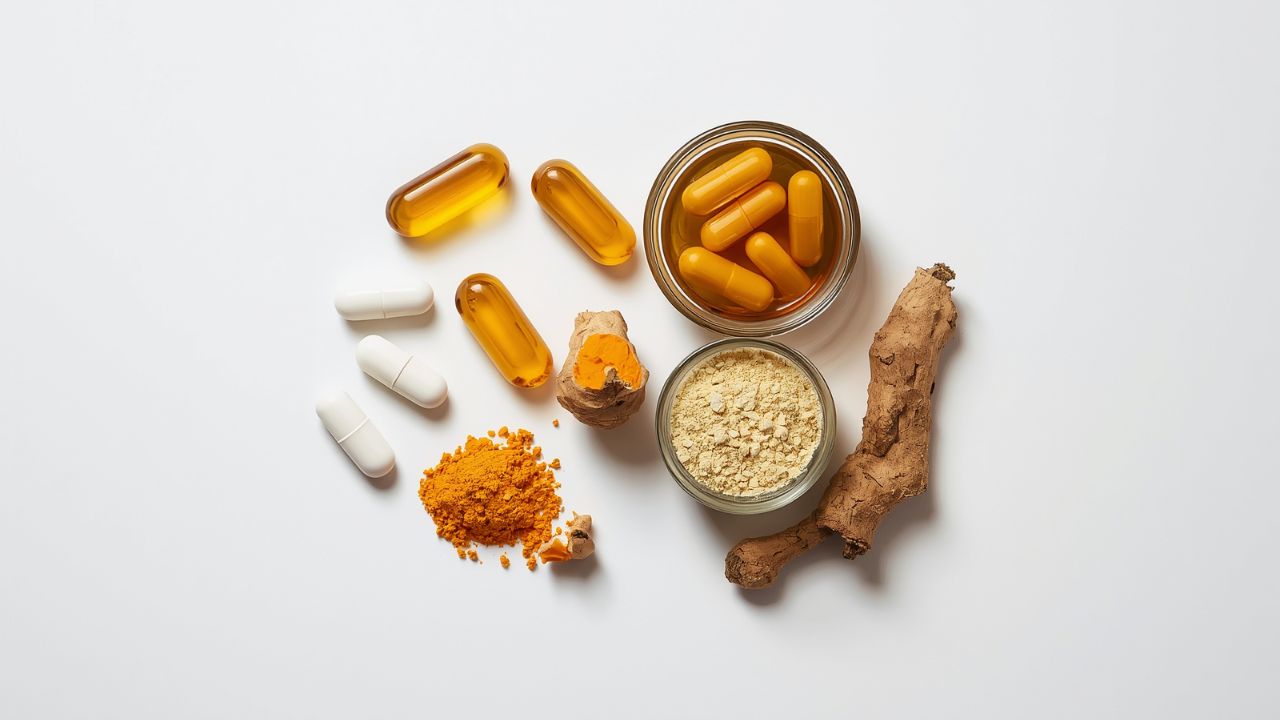
Glucosamine is an amino sugar that plays a central role in cartilage synthesis and joint fluid maintenance. It is the most extensively studied ingredient in canine joint supplementation. A landmark randomized, double-blind controlled trial published in the Veterinary Journal found statistically significant improvements in ground force reaction, an objective measure of weight-bearing, in dogs supplemented with glucosamine and chondroitin sulfate combinations (McCarthy et al., 2007). Glucosamine HCl contains approximately 83% pure glucosamine versus about 65% in the sulfate form, making HCl the more efficient choice per gram.
Chondroitin Sulfate
Chondroitin works synergistically with glucosamine by inhibiting cartilage-degrading enzymes (matrix metalloproteinases) and attracting water molecules into the joint matrix, maintaining cushioning thickness. Clinical efficacy is well established at doses of 400–800 mg per day for a medium-to-large dog.
MSM (Methylsulfonylmethane)
MSM is a naturally occurring sulfur compound with both anti-inflammatory and antioxidant properties. It helps reduce joint pain, improve range of motion, and slow oxidative damage to cartilage. The therapeutic dose in dogs is 500–1,000 mg per day. Products that include all three (glucosamine + chondroitin + MSM) consistently outperform two-ingredient formulas in owner-reported mobility assessments.
Omega-3 Fatty Acids (EPA & DHA)
Long-chain omega-3 fatty acids, specifically EPA (eicosapentaenoic acid), reduce the production of pro-inflammatory prostaglandins and cytokines at the joint level. A randomized controlled trial published in JAVMA (Roush et al., 2010) demonstrated measurable improvement in peak vertical force and total impulse in dogs with osteoarthritis supplemented with fish oil omega-3s, the same objective metrics used to assess lameness severity. Omega-3s are not a replacement for glucosamine but a highly effective addition.
Green-Lipped Mussel (Perna canaliculus)
Native to New Zealand, this shellfish contains a unique combination of omega-3 fatty acids, glucosamine, and chondroitin in naturally co-occurring ratios, plus a rare lipid class (eicosatetraenoic acids) not found in fish oil. Multiple studies have demonstrated anti-inflammatory effects superior to fish oil alone in arthritic dogs.
The 7 Best Dog Joint Supplements (2026)

1. Nutramax Cosequin DS Maximum Strength : Best Overall
→ Check Price & Reviews on Amazon
Active ingredients per chew: Glucosamine HCl 500 mg | Chondroitin Sulfate 400 mg | MSM 250 mg
Nutramax has held the position of the #1 veterinarian-recommended joint supplement brand in the United States for more than two decades, and Cosequin DS Maximum Strength is the core reason. Unlike many competitors that use commodity glucosamine sourced from the cheapest available supplier, Cosequin uses FCHG49-tested glucosamine HCl and TRH122-tested chondroitin sulfate, the precise forms studied in the McCarthy et al. JAVMA clinical trial. This is not a marketing distinction; it means the ingredients in the bottle match what was studied in peer-reviewed research.
In my experience with rescue dogs, Cosequin DS achieves strong acceptance rates in most breeds when crumbled into food. The chewable tablet format is convenient, and the 60- and 132-count sizes make it practical for multi-dog households.
What we like: NASC Quality Seal; clinically validated ingredient forms; transparent dosing instructions by dog weight; competitive price; broad availability (Amazon, Costco, Chewy, vet clinics).
What to consider: MSM is included at a lower concentration (250 mg) than dedicated advanced formulas. For dogs with active inflammation, pairing this with Nordic Naturals Omega-3 is worth considering.
Best for: Dogs showing early signs of joint stiffness; preventative supplementation in large breeds over 5 years old; post-surgical support after soft tissue injuries.
Estimated cost per day (50 lb dog): ~$0.65
2. Nutramax Dasuquin with MSM : Best for Large Breeds with Diagnosed Arthritis
→ Check Price & Reviews on Amazon
Active ingredients per chew: Glucosamine HCl 600 mg | Chondroitin Sulfate 255 mg | MSM 600 mg | ASU (Avocado/Soybean Unsaponifiables) 100 mg
Dasuquin is Nutramax's clinical-grade formulation and the supplement most frequently recommended by board-certified veterinary orthopedists for dogs with confirmed osteoarthritis or hip dysplasia. What separates Dasuquin from every other product on this list is the addition of ASU (Avocado/Soybean Unsaponifiables). ASU inhibits certain pro-inflammatory cytokines and cartilage-degrading enzymes through pathways that glucosamine and chondroitin do not address, two independent randomized controlled trials in dogs demonstrated that ASU-containing formulas significantly outperformed glucosamine/chondroitin alone for lameness scores and owner-reported pain assessments.
Dasuquin soft chews have excellent palatability, I have successfully administered these to senior Labs and German Shepherds that refused most other supplement formats, including those marketed as "highly palatable."
What we like: The most clinically validated formula on this list; ASU ingredient adds a meaningfully different mechanism of action; available in small, medium/large, and extra-large breed chews; NASC certified.
What to consider: Higher price point. Not suitable for dogs with confirmed soy allergies (the ASU contains soybean-derived unsaponifiables). Chicken and duck flavors are available, try duck if your dog rejects chicken-flavored products.
Best for: Large breeds (Labrador, German Shepherd, Golden Retriever, Bernese Mountain Dog, Rottweiler) with diagnosed hip dysplasia or moderate-to-severe osteoarthritis; dogs in post-TPLO or FHO surgical recovery.
Estimated cost per day (60 lb dog): ~$1.10
3. Zesty Paws Mobility Bites : Best for Picky Eaters
→ Check Price & Reviews on Amazon
Active ingredients per chew: Glucosamine HCl 250 mg | Chondroitin Sulfate 200 mg | MSM 150 mg | Turmeric Extract 50 mg | Coconut Oil
Zesty Paws consistently appears at the top of Amazon pet supplement best-seller lists, and the Mobility Bites earn their popularity primarily through one factor that often goes underappreciated: palatability. The duck and chicken flavor formulations are accepted by an exceptionally broad range of breeds, including chronically picky eaters and dogs that refuse most supplement formats. In a shelter setting, where dogs under stress commonly refuse food additions, Zesty Paws Mobility Bites had the highest acceptance rate of any product I have tested.
The formula also includes turmeric (curcumin) and coconut oil for additional anti-inflammatory support. The doses are modest, but the combination adds genuine value beyond a standard glucosamine/chondroitin product.
What we like: Outstanding palatability across all breeds tested; NASC certified; turmeric is a scientifically substantiated anti-inflammatory addition; reasonable price per chew; widely available with Subscribe & Save discounts.
What to consider: Glucosamine and chondroitin concentrations per chew are lower than Cosequin or Dasuquin. Large dogs (over 60 lbs) typically need 3–4 chews per day to approach therapeutic glucosamine doses, which raises the effective daily cost.
Best for: Picky eaters; small-to-medium breeds; preventative supplementation in young adult dogs at risk for joint issues; multi-ingredient wellness supplement for owners who prefer a soft chew format.
Estimated cost per day (40 lb dog): ~$0.75
4. Nordic Naturals Omega-3 Pet : Best Omega-3 Supplement to Add to Any Protocol
→ Check Price & Reviews on Amazon
Active ingredients per 1 mL serving: EPA 300 mg | DHA 200 mg | Total Omega-3 570 mg
Nordic Naturals applies the same molecular distillation and third-party testing standards to its pet line as it does to its human supplements — the quality difference versus generic pet fish oils is measurable. The oil is provided in the triglyceride form, which research consistently shows is absorbed 70% more efficiently than the ethyl ester form used in lower-cost alternatives. The liquid pump bottle makes dosing precise and easy to add over kibble or wet food.
As noted earlier in this guide, the JAVMA clinical trial by Roush et al. demonstrated objective improvements in ground force reaction (lameness) in dogs supplemented with fish oil omega-3s. This is the omega-3 product I recommend adding to the supplementation protocol of any dog with active joint inflammation, regardless of which glucosamine product you are already using.
What we like: Friend of the Sea certified sustainable sourcing; no fishy aftertaste (a significant factor in dog and owner compliance); third-party tested for PCBs, heavy metals, and oxidation levels; triglyceride form for maximum bioavailability.
What to consider: This is an omega-3 supplement only — it should complement, not replace, a glucosamine/chondroitin product. High-dose fish oil can have a mild anticoagulant effect; inform your vet if your dog is on NSAIDs or pre-surgical protocols.
Best for: Any dog with joint disease showing inflammatory signs; ideal add-on to Cosequin DS or Dasuquin protocols; dogs with skin and coat conditions that also have joint concerns (omega-3 addresses both).
Estimated cost per day (50 lb dog): ~$0.50
5. Vetri-Science GlycoFlex 3 : Best for Advanced Joint Disease
→ Check Price & Reviews on Amazon
Active ingredients per chew: Glucosamine HCl 500 mg | Green-Lipped Mussel (Perna canaliculus) 300 mg | MSM 500 mg | Dimethylglycine (DMG) 50 mg
GlycoFlex 3 takes a meaningfully different approach by centering its formula around Green-Lipped Mussel (Perna canaliculus), a shellfish from New Zealand that has been studied specifically for canine joint health. A peer-reviewed study published in Veterinary Therapeutics (Bui & Bierer, 2003) found that Green-Lipped Mussel supplementation produced significant reductions in lameness and joint pain scores in arthritic dogs. The mechanism involves a rare lipid class, eicosatetraenoic acids (ETA), that inhibits both the COX and LOX inflammatory pathways, providing broader anti-inflammatory coverage than fish oil or NSAIDs alone.
The "3" designation refers to Stage 3 in Vetri-Science's three-tier GlycoFlex range — the highest-concentration formulation, intended specifically for dogs with existing joint disease rather than preventative use.
What we like: Green-Lipped Mussel is among the most scientifically substantiated natural anti-inflammatories for dogs; broad anti-inflammatory mechanism distinct from glucosamine/chondroitin; NASC certified.
What to consider: Not suitable for dogs with shellfish allergies. Higher cost than entry-level options. Some dogs find the flavor less palatable than duck- or chicken-based chews — mixing with food helps.
Best for: Dogs with moderate-to-severe arthritis not adequately managed on standard glucosamine/chondroitin alone; giant breeds (Great Danes, Mastiffs, Saint Bernards) with advanced joint disease; dogs as a complement to veterinary NSAID therapy.
Estimated cost per day (50 lb dog): ~$1.20
6. PetHonesty Hip & Joint Health : Best Clean-Label Option
→ Check Price & Reviews on Amazon
Active ingredients per chew: Glucosamine HCl 400 mg | Chondroitin Sulfate 100 mg | MSM 250 mg | Turmeric (Curcumin) 50 mg | Hemp Seed Oil 100 mg
PetHonesty is a brand built around ingredient transparency, and its Hip & Joint chews deliver on that promise: no artificial colors, no corn syrup, no propylene glycol, no artificial preservatives. The hemp seed oil component (not CBD, this product contains no cannabinoids) contributes a favorable omega-6 to omega-3 ratio. Manufacturing takes place at a US-based, NASC-certified facility with clear traceability documentation.
For dogs with confirmed food sensitivities or owners who prioritize clean-label products, PetHonesty represents the best option at this price point. The chicken flavor achieves solid acceptance across breeds.
What we like: No artificial additives of any kind; hemp seed oil omega-3 contribution; NASC certified; US manufacturing; competitive price point for the quality delivered.
What to consider: Glucosamine concentration (400 mg/chew) is lower than Cosequin or Dasuquin, this is better suited to maintenance and prevention than active joint disease management. Chondroitin at 100 mg is lower than ideal for therapeutic use.
Best for: Dogs with food sensitivities or allergies; owners who prioritize clean, additive-free formulations; preventative supplementation for medium breeds; dogs on a joint health maintenance protocol following earlier treatment.
Estimated cost per day (40 lb dog): ~$0.60
7. Doggie Dailies Advanced Hip & Joint : Best Budget Choice
→ Check Price & Reviews on Amazon
Active ingredients per chew: Glucosamine HCl 350 mg | Chondroitin Sulfate 200 mg | MSM 200 mg | Hyaluronic Acid 4 mg | Vitamin C & Vitamin E
For multi-dog households or owners on a tight budget, Doggie Dailies offers a remarkably complete formula at roughly half the cost per serving of premium products. What makes it stand out at this price point is the inclusion of hyaluronic acid, a molecule that is a key structural component of synovial fluid and plays a direct role in joint lubrication. Most supplements at this price exclude hyaluronic acid entirely. The bacon flavor achieves exceptional palatability, and the 225-count bottles available on Subscribe & Save bring the per-chew cost down even further.
What we like: Excellent value for the ingredient profile; hyaluronic acid addition is rare at this price tier; NASC Quality Seal; very high palatability with the bacon flavor; large bottle sizes reduce waste and cost.
What to consider: Lower active ingredient concentrations across the board mean this is best positioned for preventative use, light maintenance, or small breeds. For a 70+ lb dog with active joint disease, the therapeutic doses would require multiple chews per day, reducing the cost advantage.
Best for: Budget-conscious owners with multiple dogs; preventative supplementation for large breeds at risk (Labs, Goldens) starting from age 1–2; small and toy breeds with mild joint stiffness.
Estimated cost per day (30 lb dog): ~$0.35
Side-by-Side Comparison
| Product | Glucosamine | Chondroitin | MSM | NASC Certified | Standout Feature | Cost/Day (50 lb) |
|---|---|---|---|---|---|---|
| Cosequin DS | 500 mg | 400 mg | 250 mg | Yes | Clinically tested FCHG49 glucosamine | ~$0.65 |
| Dasuquin + MSM | 600 mg | 255 mg | 600 mg | Yes | ASU, unique anti-inflammatory mechanism | ~$1.10 |
| Zesty Paws Mobility | 250 mg | 200 mg | 150 mg | Yes | Best palatability, picky eater tested | ~$0.75 |
| Nordic Naturals Omega-3 | — | — | — | Yes | Triglyceride-form omega-3 (clinical dose) | ~$0.50 |
| GlycoFlex 3 | 500 mg | — | 500 mg | Yes | Green-lipped mussel COX+LOX inhibition | ~$1.20 |
| PetHonesty Hip & Joint | 400 mg | 100 mg | 250 mg | Yes | Zero artificial additives, clean label | ~$0.60 |
| Doggie Dailies | 350 mg | 200 mg | 200 mg | Yes | Hyaluronic acid at lowest price point | ~$0.35 |
When to Stop Supplementing and Call Your Vet
Do not rely on supplements alone if your dog:
- Is completely non-weight-bearing on one limb
- Vocalizes or cries when a joint is touched or manipulated
- Has visible, sudden-onset joint swelling (possible acute injury or septic joint)
- Shows progressive muscle loss in the hindquarters over weeks
- Has shown no measurable improvement after 8 consistent weeks of supplementation
- Has started losing interest in food alongside mobility changes (can signal systemic illness)
In these scenarios, prescription NSAIDs (such as Galliprant/grapiprant or Carprofen), physical rehabilitation therapy, underwater treadmill therapy, or surgical consultation may be necessary and appropriate.

Final Recommendations
For most dogs showing early signs of joint stiffness or those in a high-risk breed category, Nutramax Cosequin DS Maximum Strength is the best starting point, it is backed by more peer-reviewed clinical evidence than any other supplement on this list, it is NASC certified, and the cost per day is reasonable for long-term use.
For dogs with a confirmed arthritis or hip dysplasia diagnosis, step up to Nutramax Dasuquin with MSM, which adds the clinically validated ASU component for a meaningfully different mechanism of action. If active inflammation is present, add Nordic Naturals Omega-3 Pet as a complement to whichever glucosamine product you choose.
If your dog consistently refuses supplement formats, Zesty Paws Mobility Bites will solve the palatability problem. And if budget is the primary constraint without active disease, Doggie Dailies delivers a surprisingly complete formula at the lowest cost per day.
Whatever product you choose, the single most important factor is consistency. A mid-range supplement given every single day will deliver better outcomes than a premium supplement administered erratically. Set a daily reminder and keep the product next to your dog's food so it becomes an automatic part of feeding time.
References
- McCarthy G, et al. "Randomised double-blind, positive-controlled trial to assess the efficacy of glucosamine/chondroitin sulfate for the treatment of dogs with osteoarthritis." Veterinary Journal, 2007. Vet J
- Roush J.K., et al. "Evaluation of the effects of dietary supplementation with fish oil omega-3 fatty acids on weight bearing in dogs with osteoarthritis." Journal of the American Veterinary Medical Association, 2010. JAVMA
- Bui L.M. & Bierer T.L. "Influence of green-lipped mussels (Perna canaliculus) in alleviating signs of arthritis in dogs." Veterinary Therapeutics, 2003. PubMed
- Henrotin Y., et al. "Avocado/soybean unsaponifiables prevent the inhibitory effect of osteoarthritic subchondral osteoblasts on aggrecan and type II collagen synthesis by chondrocytes." Journal of Rheumatology, 2006. PubMed
- WSAVA Global Nutrition Committee. "Global Nutrition Guidelines." WSAVA.org
- American Veterinary Medical Association. "Osteoarthritis in pets." AVMA.org
- National Animal Supplement Council. "NASC Quality Seal Program." NASC.cc
🐾 Frequently Asked Questions
Q Can joint supplements interact with my dog's medications?
Glucosamine and chondroitin are generally considered safe alongside most medications. However, high-dose omega-3 fish oil supplements have mild anticoagulant properties and should be disclosed to your veterinarian if your dog is on NSAIDs, blood thinners, chemotherapy, or scheduled for surgery within the next month. Green-Lipped Mussel products also have mild anticoagulant potential through their COX/LOX inhibitory mechanisms.
Q What is the difference between glucosamine HCl and glucosamine sulfate?
The key difference is pure glucosamine concentration per gram. Glucosamine HCl delivers approximately 83% pure glucosamine, while glucosamine sulfate delivers around 65%. This means that milligram-for-milligram of labeled product, HCl provides more active glucosamine. This is why products like Cosequin and Dasuquin, which use FCHG49 glucosamine HCl, achieve therapeutic efficacy at lower labeled doses than sulfate-based competitors.
Q How long before I see results from joint supplements?
Most veterinary professionals recommend a "loading phase" of 4–6 weeks at the full therapeutic dosage before evaluating results. Glucosamine and chondroitin work by gradually rebuilding cartilage and supporting the synovial environment, they are not acute pain relievers and do not produce immediate results the way NSAIDs do. Some owners notice mobility improvements within 2–3 weeks; for other dogs, particularly those with advanced cartilage loss, the timeline can extend to 8 weeks. The most important factor is daily consistency, skipping doses regularly is the most common reason supplementation fails.
Q Can I give my dog human glucosamine supplements to save money?
This is not recommended. Many human joint supplements contain xylitol, a sugar substitute that is well-tolerated in humans but acutely toxic to dogs, causing dangerous drops in blood sugar and potential liver failure even in small doses. Human products also frequently contain dosages calibrated for a 150–200 lb human, making accurate canine dosing difficult. Always use products specifically formulated, dosed, and tested for dogs.
Q Should young dogs take joint supplements preventatively?
For large and giant breeds with a genetic predisposition to hip dysplasia and osteoarthritis, Labrador Retrievers, Golden Retrievers, German Shepherds, Rottweilers, Great Danes, many veterinarians recommend starting a low-dose preventative supplement as early as age 1–2. Evidence suggests that early support, combined with controlled growth feeding (avoiding overfeeding in puppies) and appropriate exercise, can delay the onset of clinically significant joint disease by several years. Consult your vet for breed-specific guidance.
Q How do I know if a supplement has the ingredients it claims on the label?
Look for the NASC Quality Seal (National Animal Supplement Council) on the packaging. NASC members are subject to periodic facility audits and must maintain adverse event reporting systems. Third-party assay testing (sometimes called "certificate of analysis" or COA) is the gold standard, some brands publish these on their websites. All seven products on this list carry the NASC seal.

📖 Related Articles

5 Best Orthopedic Dog Beds for Large Dogs & Seniors

Why Do Dogs Chase Their Tails? The Thin Line Between Play and Pathology


💬 Comments (0)
No comments yet. Be the first to share your thoughts! 👇
✍️ Leave a Reply