
5 Best Raw Dog Food Delivery Services in the US
Last updated: October 11, 2026. This article is for general information and does not replace advice from your veterinarian. How we write our articles.
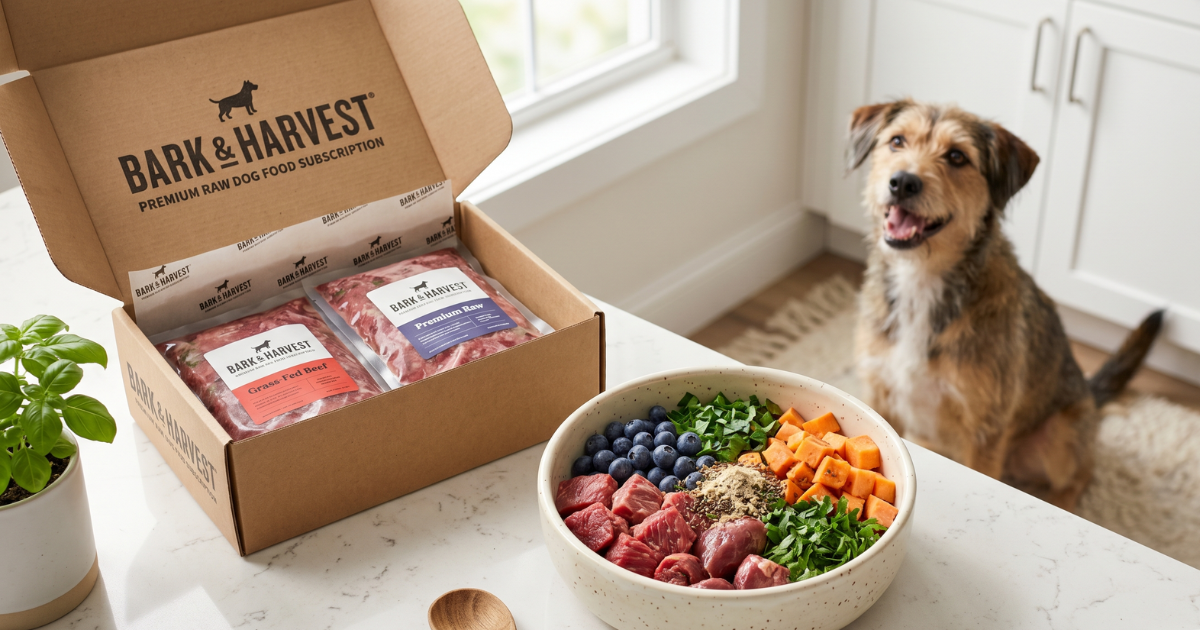
Many dog owners start looking at raw feeding when kibble no longer seems to work: constant stomach upset, low energy, a dull coat, or chronic itching. Rescue dogs with a history of scavenging or poor nutrition are often among the hardest cases.
Some owners report shinier coats or smaller stools after switching to raw, but these are personal reports, not proven benefits: the WSAVA Global Nutrition Committee states that there is no evidence raw meat-based diets provide health benefits over commercial or balanced homemade cooked diets, and that they carry a real risk of bacterial contamination for pets and people.
If you have weighed those risks with your vet and still want to feed raw, buying a commercially prepared, complete and balanced raw food is safer than improvising at home: home-made raw rations are often unbalanced, and a good supplier formulates the recipe, adds the vitamins and minerals, and can use pathogen reduction steps such as high-pressure processing (HPP).
This guide compares 5 raw dog food delivery services in the US on what each company states about its recipes, food safety steps and formats, and what to check before you order.
Kibble vs. Raw: What We Actually Know
Most kibble is made by extrusion: ingredients are cooked under heat and pressure, then formed into pellets. Some nutrients are lost in processing, which is why manufacturers add vitamins and minerals so the final food meets its nutrient targets. A kibble labeled complete and balanced is designed to cover a dog's needs.
Kibble contains more carbohydrate than most raw diets. Dogs do not strictly need dietary carbohydrate, but they digest cooked starch well, and there is no strong evidence that carbohydrates in a complete diet harm healthy dogs.
Raw diets are typically higher in fat and protein, lower in carbohydrate, and higher in moisture. The WSAVA notes they can be highly digestible, but that high fat, low fiber diets do not suit every dog: some develop diarrhea or even pancreatitis. Smaller stools are common on raw, mainly because the food contains less fiber.
PMR vs. BARF: Understanding Raw Formulations
As you explore the delivery services below, you will encounter two main philosophies in raw feeding:
- PMR (Prey Model Raw): This approach tries to replicate a whole prey animal. It often uses an 80/10/10 ratio: 80% muscle meat, 10% secreting organs (like liver and spleen), and 10% edible bone, with no plant matter.
- BARF (Biologically Appropriate Raw Food): This approach uses a similar meat base but adds pureed vegetables, fruits, seeds, and often supplements.
Neither ratio guarantees a balanced diet on its own. What matters is whether the finished recipe is complete and balanced, which is why the label statement matters more than the philosophy.
New to raw feeding? Start with our complete raw diet guide for dogs and cats.
Quick Comparison: Raw Dog Food Delivery
| Brand | Best For | Safety and Formulation (per the company) | Format |
|---|---|---|---|
| 1. We Feed Raw | Beginners who want a guided plan | Ph.D. animal nutritionist formulated; HPP (per company) | Personalized plans; frozen and freeze-dried |
| 2. Darwin's Natural | Owners working with their vet on a health issue | Recipes reviewed by veterinary nutritionists; AAFCO, all life stages | Standard and Intelligent Design lines |
| 3. Viva Raw | Single-protein recipes | Third-party lot testing; moving all recipes to HPP | 5 single-protein recipes |
| 4. Maev | No-thaw convenience | HPP; AAFCO complete and balanced (per listings) | Frozen bites served frozen |
| 5. Raw Wild | Novel protein (elk and deer) | No HPP by choice | One recipe, 1 lb packages |
1. We Feed Raw: Best for Beginners
We Feed Raw is our top pick for owners who are new to raw feeding, because it removes most of the guesswork: you answer a few questions about your dog, and the company suggests a plan.
You tell We Feed Raw about your dog (weight, age, activity), it suggests a feeding plan, and frozen meals are shipped to your door. You thaw meals in the fridge before serving.
Ingredient Quality & Safety
The company says its recipes are formulated by a Ph.D. animal nutritionist and are complete and balanced. Recipes combine muscle meat, organs and bone with added vitamins and minerals. The frozen line comes in five proteins (beef, chicken, turkey, duck, and lamb), and freeze-dried beef and chicken recipes are available for travel or as toppers.
A We Feed Raw executive has said in interviews that high-pressure processing (HPP) is part of its food safety program. HPP uses very high water pressure to reduce pathogens such as Salmonella, Listeria and E. coli without cooking the food. It reduces risk but does not make raw food risk-free, so the hygiene rules below still apply.
Pros & Cons
The Benefits
- Recipes formulated by a Ph.D. animal nutritionist, according to the company.
- Personalized plans, a good fit for beginners.
- HPP as part of its food safety program, according to the company.
- Five frozen proteins, plus freeze-dried options for travel and toppers.
The Drawbacks
- Premium pricing, which adds up quickly for large and giant breeds.
- Requires freezer space and planning, since frozen meals must thaw in the fridge.
- Fewer novel proteins than niche suppliers (see Raw Wild below).
- Like all raw food, it still carries a food safety risk for your household.
The Verdict: If you have decided with your vet to feed raw, We Feed Raw is the simplest service to start with: a guided plan, a nutritionist-formulated recipe and a pathogen reduction step. Check their website for current pricing and the complete and balanced statement for your dog's life stage.
Click to build your dog's personalized meal plan and see their current offers.
2. Darwin's Natural Pet Products: For Owners Working With Their Vet
Darwin's sells raw meals by delivery. Alongside its standard meals, it sells an Intelligent Design line that the company describes as formulas for specific health needs, including kidney support, liver support, cancer support and joint maintenance.
Darwin's says every recipe is reviewed by a panel of veterinary nutritionists and that its recipes meet or exceed AAFCO guidelines and are complete and balanced for all life stages. That said, a dog with a medical condition needs a diet chosen with your own veterinarian. For kidney disease in particular, dogs need carefully controlled phosphorus and regular blood work, as our guide to kidney diets for dogs explains, and raw food is not usually a first choice for a sick or older dog because of the infection risk.
- Sourcing: Darwin's says it uses USDA-quality ingredients from farms it trusts. Its meals include vegetables.
- The Best Feature: A dedicated line for owners who are already working with their vet on a specific condition.
- The Downside: The company says it relies on minimal processing; it does not describe HPP on its homepage, so ask how it controls pathogens before you order.
3. Viva Raw: Best for Single-Protein Recipes
Viva Raw makes its food in a USDA kitchen and says it uses humanely raised, USDA-inspected meat from humane-certified family farms. It offers five single-protein recipes, which can help when your vet suggests an elimination diet. Its dog and cat recipes are described as complete and balanced and formulated to AAFCO standards; it also sells a "Pure" line, so check each label to see whether a recipe can be fed on its own.
Viva Raw has had food safety problems. In August 2025 it recalled lots of several beef and chicken recipes after routine sampling by the North Carolina Department of Agriculture found Salmonella in one product and Listeria monocytogenes in another; the company reported no illnesses at the time. It says it now tests each lot through a third-party lab and holds it until cleared, tests its production environment daily, and is moving all of its recipes to HPP (600 MPa for 3 to 4 minutes).
A company that discloses its recalls and its testing is easier to judge than one that says nothing, but check the packaging (Viva says HPP-treated packages carry a Best Buy date of March 15, 2027 or later).
4. Maev: Best for No-Thaw Convenience
Maev sells raw food as frozen bites that are meant to be served straight from the freezer, so there is no overnight thawing. Retailer information says dogs that prefer a softer texture can have the bites thawed for a few minutes before serving.
The brand says its food safety program is built around high-pressure processing, and retailer listings state that the recipes meet AAFCO guidelines for complete and balanced nutrition and were developed by Ph.D. veterinary nutritionists. Maev also sells formulas marketed for specific goals, such as hip and joint or weight and digestion.
Not every dog likes frozen bites, and like any raw food, it should be handled with the same hygiene as raw meat in your kitchen. It is on the pricier side, which matters more for large breeds.
5. Raw Wild: Best Novel Protein
Raw Wild takes the opposite approach to most delivery services: one single recipe, sold in one-pound packages. The company lists the ingredients as 99.4% wild-grown elk and deer and 0.6% vitamins and minerals, with no organs, and describes the food as complete and balanced.
Because elk and deer are novel proteins for most dogs, this recipe can be useful when your vet suggests trying a protein your dog has not eaten before, for example during an elimination diet for a suspected food allergy. The website does not show a life stage statement, so ask the company before feeding it to a puppy.
- Sourcing: Wild elk and deer from the Rocky Mountain region, according to the company.
- The Best Feature: A single, novel protein source.
- The Downside: There is only one recipe, and the company states that it does not use HPP, so it has no pathogen reduction step. That matters if anyone in your household is very young, elderly, pregnant or immunocompromised.
3 Common Questions About Raw Dog Food, Answered Honestly
Raw feeding attracts strong opinions on both sides. Here is what the evidence actually supports.
"Can raw dog food make my family sick?"
Yes, it can. Raw meat can carry Salmonella, Listeria and other bacteria, and dogs can carry and shed these bacteria in their stools even when they look healthy, according to the WSAVA. The risk is higher for small children, pregnant people, older adults and anyone with a weakened immune system.
HPP and "test and hold" programs, where each batch is tested before it ships, reduce the risk but do not remove it. Handle raw dog food like raw chicken: wash your hands, wash the bowl in hot soapy water after every meal, clean the counters, and pick up stools promptly.
"Are bones in raw food safe?"
Never feed cooked bones: they become brittle and can splinter. Raw bones are not risk-free either: the WSAVA lists broken teeth, obstruction of the esophagus or intestine, and constipation, and notes that feeding bones does not reduce plaque or periodontal disease.
Most complete raw meals, including those from the services above, grind the bone finely into the food, which removes the risk of a dog swallowing large pieces. Ask your vet before giving whole bones.
"Are raw diets balanced?"
Home-made raw diets often are not. A German study of 95 raw rations prepared by owners found that 60% had major imbalances (Dillitzer et al., 2011). A commercial food that states it is complete and balanced for your dog's life stage, according to AAFCO nutrient profiles, avoids most of that problem. Always read that statement on the label.
Tailoring Raw Food Delivery by Breed Size & Life Stage
Your dog's needs change with size and age.
For Puppies: The Calcium Imperative
Puppies, especially large breed puppies (like Great Danes or Mastiffs), need a carefully controlled calcium to phosphorus balance. The WSAVA notes that an unbalanced diet can cause painful skeletal disorders and fractures in puppies. If you feed a puppy raw food, use a commercial food that states it is complete and balanced "for all life stages" or "for growth", ideally including the growth of large size dogs, and never improvise a growing puppy's diet.
For Large and Giant Breeds: The Budget Factor
Raw food gets expensive quickly for a large dog. Look for providers that sell larger packages or bulk monthly plans; Raw Wild, for example, sells 12 lb and 48 lb monthly plans.
For Small Breeds and Seniors: Texture and Digestibility
Small and older dogs often do better with finely ground recipes. For senior dogs, talk to your vet first: older dogs are more likely to have kidney disease or a weaker immune system, which changes the diet they need and makes food safety more important.
Dogs with kidney disease need a different approach. See our homemade dog food recipes for kidney disease.
The Logistics: Safe Storage, Thawing, and Hygiene
Subscribing to a raw dog food delivery service changes the way your kitchen operates. Here is what to prepare for when your first frozen box arrives.
1. The Freezer Math
Dry kibble sits in a bin in the pantry, but raw food needs freezer space, and a kitchen freezer fills up fast with a medium or large dog. If you plan to feed raw long-term, a small dedicated chest freezer makes bulk orders possible and keeps raw pet food away from your own food.
2. The Thawing Protocol
Never microwave raw dog food containing bone, and never leave it on the counter at room temperature. Thaw a 2 to 3 day supply in a sealed, dedicated container on the bottom shelf of your refrigerator. If you forget, you can place the sealed bag in a bowl of cold water in the sink. Follow the thawing instructions on the package.
3. Upgrading Your Bowls
Plastic bowls scratch over time, and scratches are harder to clean. Stainless steel or ceramic bowls are easier to keep clean; wash them in hot soapy water or the dishwasher after every raw meal.
Step-by-Step: How to Transition Your Dog to a Raw Diet
Switching foods suddenly can cause stomach upset, diarrhea or vomiting, whatever the new food is. Transition gradually over about 10 days, and follow the supplier's own instructions if they differ.
Days 1 to 3: The 25% Rule
Feed 75% of the old food and 25% of the new raw food. Never cook raw food that contains ground bone.
Days 4 to 6: The 50/50 Split
Move to half old food, half raw. Raw food contains much more water than kibble, so your dog may drink a little less from the bowl. If your dog drinks much less or much more than usual, or seems unwell, call your vet.
Days 7 to 9: The 75% Push
Increase the raw food to 75% and reduce the old food to 25%. Watch the stools: they often become smaller and firmer. Diarrhea that lasts more than a day or two, vomiting, or blood in the stool are reasons to stop and call your vet.
Day 10 and Beyond: 100% Raw
Your dog is now fully transitioned. Keep following the hygiene rules above for as long as you feed raw.
Prefer to prepare meals yourself? See our homemade pet food recipes.
Advanced Buyer's Guide: How to Evaluate a Raw Provider
When you compare raw brands, look past the marketing and check these points.
1. AAFCO Compliance vs. Supplemental Feeding
Look for a statement that the food is "formulated to meet the nutritional levels established by the AAFCO Dog Food Nutrient Profiles" for your dog's life stage. If a food is labeled "for supplemental or intermittent feeding only", it is not complete and should only be used as a topper. For a puppy, the statement should cover growth.
2. High-Pressure Processing (HPP) vs. Non-HPP
High-pressure processing uses very high water pressure to reduce harmful bacteria without heat.
Should you choose HPP? If anyone in your household is very young, elderly, pregnant or immunocompromised, choose a food with a validated pathogen reduction step such as HPP, and ask your vet whether raw feeding is a good idea at all. Some raw feeders prefer non-HPP foods, but no kitchen standard makes untreated raw food risk-free.
3. Sourcing Transparency and Food Safety Records
Prefer companies that explain where their meat comes from, how they test their products, and what happened in any past recall. You can search the FDA recalls list for a brand name before you order.
4. Cost Analysis and Shipping Logistics
A complete commercial raw diet costs much more per day than most kibble, and the gap grows with your dog's size. Bulk packages and monthly plans usually lower the cost per pound, but you will need the freezer space to store them.
Final Verdict
A complete and balanced commercial diet, raw or cooked, can keep a dog healthy; raw feeding has not been shown to be healthier, and it carries a real food safety risk. If you and your vet decide raw is right for your dog, We Feed Raw is the easiest place to start for its guided plans, nutritionist-formulated recipes and HPP. Whatever you choose, read the complete and balanced statement and follow strict kitchen hygiene.
Resources & References
- WSAVA Global Nutrition Committee: Raw Meat Based Diets for Pets
- WSAVA: The Savvy Dog Owner's Guide to Nutrition on the Internet
- AVMA: Raw Diets for Dogs and Cats (policy)
- FDA: Get the Facts! Raw Pet Food Diets can be Dangerous to You and Your Pet
- Freeman L.M. et al. (2013). Current knowledge about the risks and benefits of raw meat-based diets for dogs and cats. JAVMA
- Dillitzer N. et al. (2011). Intake of minerals, trace elements and vitamins in bone and raw food rations in adult dogs. Br J Nutr
- Viva Raw: Recall information (August 2025)
- VCA Hospitals: Calcium Requirements
Frequently Asked Questions
Can I mix raw dog food with kibble?
Yes, many owners do, for example using raw as a topper on a complete kibble to keep costs down. There is no good evidence that mixing them causes problems in healthy dogs. Make sure the total diet stays complete and balanced, adjust portions so your dog does not gain weight, and follow the same hygiene rules for the raw part.
How long does thawed raw dog food last in the fridge?
Follow the time on the package. Many brands recommend using thawed raw food within a few days. Keep it in a covered container on the bottom shelf of the fridge, never refreeze it after thawing unless the brand says you can, and throw away anything that smells off.
Will the bones in raw dog food splinter and hurt my dog?
Never feed cooked bones: they become brittle and can splinter. Raw bones are not risk-free either: the WSAVA lists broken teeth, blockage of the esophagus or intestine, and constipation. Commercial complete raw meals usually grind the bone finely into the food, which removes the risk of swallowing large pieces. Ask your vet before giving whole bones.
How much raw food should I feed my dog daily?
As a general rule, an adult dog should eat roughly 2% to 3% of their ideal body weight in raw food per day. However, this varies heavily based on their age, metabolism, and activity level. Highly active dogs or growing puppies will require significantly more, while senior or overweight dogs will require less. Always use the specific feeding calculators provided by your raw delivery service.
Is raw dog food safe for my family to handle?
It can be handled more safely, but not risk-free. Raw pet food can carry Salmonella, Listeria and other bacteria, and dogs fed raw can shed them in their stools while looking healthy. Handle it like raw chicken: wash your hands, utensils, counters and your dog's bowl with hot soapy water after every meal, and pick up stools promptly. If anyone in your home is very young, elderly, pregnant or immunocompromised, talk to your vet before feeding raw, and prefer a food with a pathogen reduction step such as HPP.

Related Articles

5 Best Orthopedic Dog Beds for Large Dogs & Seniors
Looking for the best orthopedic dog bed? We compared 5 options for large breeds and senior dogs by foam layers, warranty, waterproofing and support.

7 Best Dog Joint Supplements
7 dog joint supplements compared by active ingredients, dose and NASC quality seals, with what the research says about glucosamine, omega-3s and more.

Why Do Dogs Chase Their Tails? The Thin Line Between Play and Pathology
Why do dogs chase their tails? Play, boredom, attention, itching, pain or a compulsive disorder: how to tell them apart and when to see your vet.

Why Do Dogs Tilt Their Heads? What Research Shows (and When to Worry)
Why do dogs tilt their heads? What the research shows (Coren, Sommese 2022), the hearing and vision hypotheses, and when a head tilt is a medical red flag.

Dental Care Guide for Dogs: A Simple Oral Health Routine
How to care for your dog’s teeth: daily brushing step by step, VOHC-accepted chews and products, the signs of gum disease, and when to see your vet.

Fish Oil for Dogs: Benefits, Risks and 5 Warning Signs
Fish oil for dogs: what omega-3s can do for skin and joints, how to dose by EPA and DHA with your vet, side effects, and 5 warning signs …
Comments (0)
No comments yet. Be the first to share your thoughts!
Leave a Reply