5 Best Litters for Cats with Asthma: 2026 Dust-Free Guide
Heads up: This post contains affiliate links. If you buy something through them, I earn a small commission at no extra cost to you. It keeps the lights on and the kibble bowl full. Read the full boring legal stuff here.
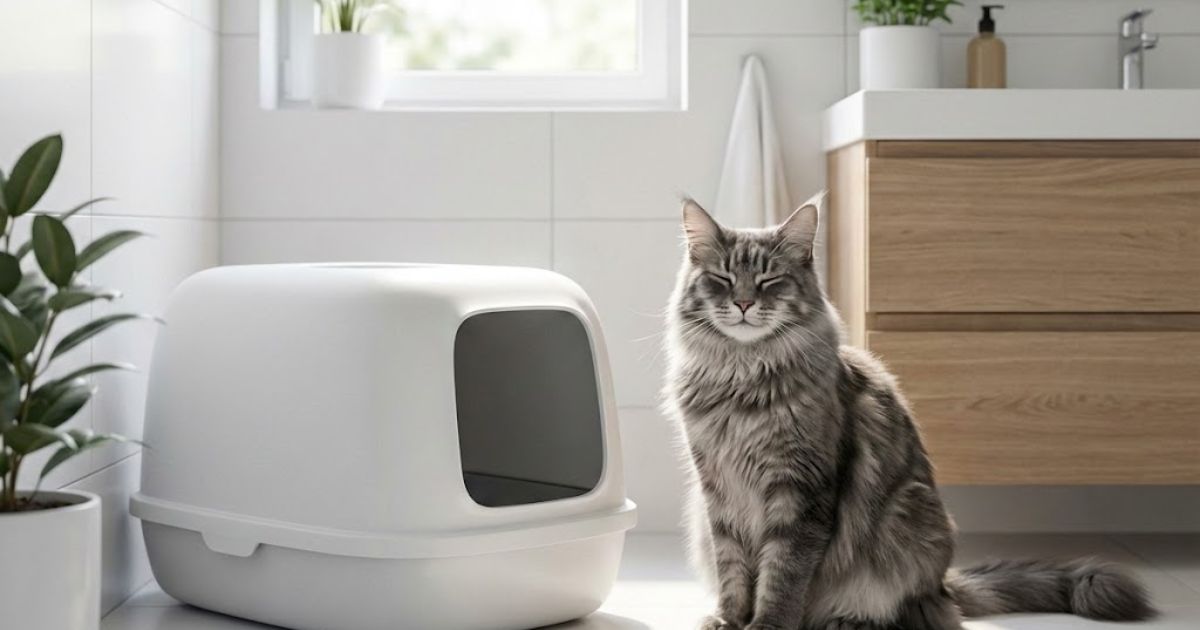
You search for help because your cat sounds like they are choking on a hairball that never comes up, and the internet tells you to just "keep things clean." That advice is useless when the very ground your cat walks on is poisoning their lungs.
I have spent thousands of dollars on vet bills and inhalers because I trusted marketing labels that claimed products were "99% dust-free." That remaining 1% is what sends you to the emergency vet at 3 AM. When you are looking for the best litters for cats with asthma, you aren’t looking for convenience; you are looking for medical necessity.
If you pick the wrong substrate, you are essentially asking your cat to use a bathroom filled with tear gas. I’m not here to sell you on the cheapest option or the one that smells like lavender fields. I’m here to tell you what actually keeps your cat breathing.
The Dust Conspiracy: Why Labels Lie
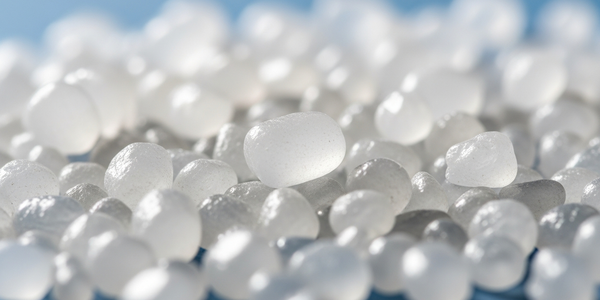
You need to understand why your current litter is failing before you can fix it. Most commercial litters are made of sodium bentonite clay, which is fantastic for clumping and terrible for respiration. When that clay breaks down, it creates microscopic silica dust.
This dust is light enough to hang in the air for hours after your cat scratches. Your cat steps in, kicks up a cloud, and immediately inhales particulate matter that coats their bronchial tubes. This triggers an immune response, inflammation, and the terrifying wheeze of an asthma attack.
It is a cycle of misery that you are paying for. The manufacturers know this, which is why they slap "low dust" on the box. "Low dust" is a marketing term, not a scientific measurement.
The Scented Trap
If you are buying scented litter, you are part of the problem. Humans love the idea of masking ammonia with artificial floral scents. To an asthmatic cat, those fragrances are chemical irritants.
Imagine being locked in a phone booth with someone spraying cheap perfume while you are having an allergy attack. That is your cat’s reality every time they need to urinate. The chemicals used to create "Fresh Linen" or "Mountain Spring" scents are often volatile organic compounds (VOCs).
These compounds irritate the lining of the lungs and throat. I have seen cats stop using the litter box entirely, not because they are dirty, but because they associate the box with the inability to breathe. Eliminating scent is the first non-negotiable step.
The Ammonia Factor
Dust isn't the only trigger; ammonia buildup is a silent killer for respiratory health. When urine degrades, it releases ammonia gas, which is heavier than air and sits right at the bottom of the box. Your cat’s nose is inches away from this toxic layer.
Cheap litters might clump well, but they often fail to lock in the chemical reaction of urea turning into ammonia. If you stick your head in the box and your eyes water, imagine what it’s doing to a cat with compromised lungs. You need a litter that creates a physical seal around waste immediately.
If the litter fails to sequester the urine, the ammonia scorches the airways. This makes the lungs even more sensitive to the dust particles mentioned earlier. It is a two-pronged attack on your pet's health.
The "Natural" Fallacy
Do not assume that because a litter is made of corn, wheat, or pine, it is automatically safe. Organic matter can still create dust. Wheat, in particular, can harbor mold spores if it sits too long in a humid environment.
Mold is a top-tier asthma trigger for felines. I once switched to a "natural" wheat litter only to find out my cat was allergic to the grain itself. The irony of poisoning your cat with "eco-friendly" products is a bitter pill to swallow.
You have to be discerning about the processing method, not just the raw material. Some wood litters are kiln-dried to remove oils, while others retain phenols that can irritate the liver and lungs. Research is the only thing that separates a safe home from a hospital visit.
5 Best Litters for Cats with Asthma: 2026 Guide
I have tested dozens of brands, and most of them ended up in the trash. These are the five that actually deliver on the promise of respiratory safety. These selections prioritize dust control and scent elimination above all else.
I have categorized them by material and mechanism so you can match them to your cat’s specific preferences. Do not deviate to the "cheaper version" of these brands; the quality control isn't there. Here is the shortlist of what works.
1. The Specialist: Dr. Elsey's Respiratory Relief
This is usually the first recommendation from vets, and for once, the experts are right. Dr. Elsey's Respiratory Relief Cat Litter ↗ is specifically formulated without the plant proteins that trigger allergies. It uses a heavy, coarse clay that refuses to become airborne.
The granules are heavy, which means they drop to the bottom of the box rather than floating into your cat's face. It contains herbal essences that actually reduce stress rather than chemical perfumes. I found this to be the most reliable clay option for severe cases.
The downside is the weight; the bags are like hauling cement. However, the clumps are hard as rocks and trap ammonia instantly. If your cat refuses to quit clay, this is the only safe harbor.
2. The Cleanest Clay: Boxiecat Premium
If you hate the sludge that forms at the bottom of the litter box, this is your answer. Boxiecat Premium Clumping Clay Cat Litter ↗ uses a proprietary flat-top clumping technology. Most importantly, they dust-suppress the clay multiple times during manufacturing.
I have poured a bag of this from waist height and seen zero cloud. That is the "gold standard" test for any asthmatic household. It tracks less than other clays, which keeps the allergens out of your carpet.
It is pricier than generic grocery store brands, but it lasts longer because you don't throw away half the box cleaning up mud. It is completely unscented and probiotics are added to eat the waste bacteria. It treats the box like a laboratory, not a toilet.
3. The Corn Contender: World's Best Unscented
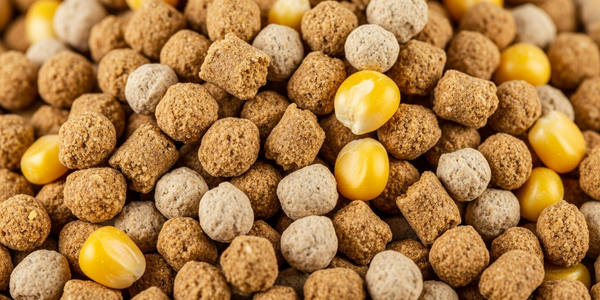
For those who want to move away from heavy clay, corn is the standard alternative. World's Best Cat Litter Unscented ↗ uses compressed corn granules. The key here is buying the "Unscented" version, not the lavender or lotus blossom varieties.
It creates almost no dust because the granules are larger and heavier than clay particulates. It is flushable, which helps you get the ammonia out of the house instantly (check your local plumbing codes first). It smells a bit like a barn, but it doesn't smell like chemicals.
Be warned: some cats will try to eat this litter because it smells like food. Monitor them closely for the first week. If they don't eat it, it is a fantastic, lightweight solution for respiratory issues.
4. The Wood Alternative: ökocat Less Mess
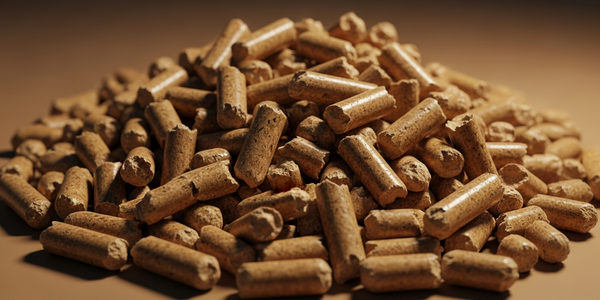
This is for the people who want biodegradable options but don't trust corn. ökocat Less Mess Clumping Wood Cat Litter ↗ creates pellets out of wood fiber. Wood fiber naturally suppresses bacterial growth, which cuts down on the ammonia triggers.
The "Less Mess" variety uses mini-pellets rather than crushed wood, which significantly reduces dust. It clumps surprisingly well for a non-clay product. The natural wood scent is generally well-tolerated by asthmatic cats.
Transitioning to this texture can be tricky because it feels different under the paws. It doesn't feel like sand; it feels like soft pellets. However, the air quality improvement in the room is noticeable within 24 hours.
5. The Nuclear Option: Purina Tidy Cats Breeze
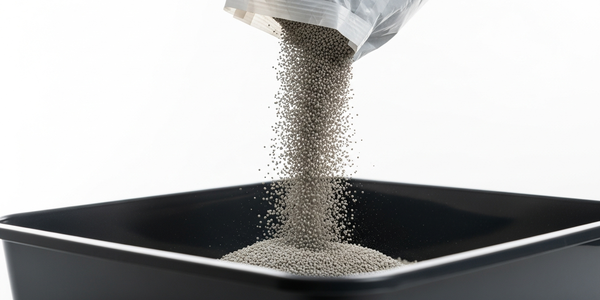
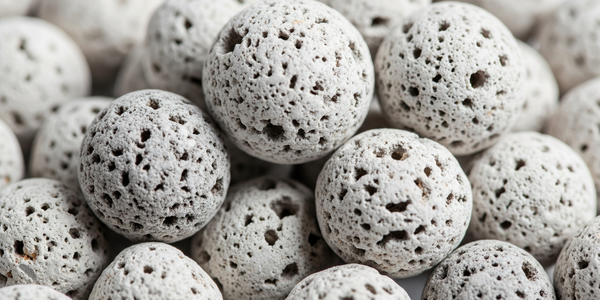
When every speck of dust is a risk, you have to eliminate the substrate entirely. The Purina Tidy Cats Breeze Cat Litter Pellets ↗ system uses zeolite minerals that look like pebbles. These pellets do not break down, meaning they create exactly zero dust.
Urine passes through the pellets onto a pad below, separating the liquid from the solid. This separates the ammonia source from the digging area. It is the cleanest system I have ever used for a highly sensitive cat.
The caveat is that you must buy their specific pads and pellets forever. Also, if your cat has soft stools, cleaning the pebbles is a nightmare. But for pure asthma prevention, this system is unbeatable.
Safe Transition Protocols: Don't mess This Up
MANDATORY DISCLAIMER: I am a writer with experience, not a veterinarian. Consult your vet before making drastic changes to your asthmatic cat's environment, especially if they are currently in a flare-up.
You cannot just dump the new litter into the box and expect success. Cats are creatures of habit, and asthmatic cats are already stressed. A sudden change can cause them to hold their urine, leading to crystals or UTIs.
I have ruined mattresses because I tried to force a switch overnight. The goal is to trick them into thinking nothing has changed until it is too late for them to complain. Patience is cheaper than a new sofa.
The Slow Fade Technique
Start by adding just one cup of the new litter to the old box. Mix it in thoroughly so the texture changes minimally. Do this for three days without increasing the amount.
On day four, move to a 25% mix of the new litter. If you are switching from clay to pellets (like the Breeze system), this is harder; you might need to run two boxes side-by-side. For granular switches, keep increasing the ratio by 10% every few days.
If you see your cat sniffing the box and walking away, you are moving too fast. Back off the ratio immediately. The entire process should take two to three weeks, not two days.
Location and Ventilation
The best litter in the world won't help if the box is in a stagnant closet. You need airflow to move any residual dust or ammonia away from the cat's face. Do not put the litter box in a laundry room with the dryer running; the heat exacerbates the dust.
I recommend placing the box in a hallway or a bathroom with an exhaust fan. Open air reduces the concentration of triggers. Avoid "litter furniture" or cabinets that enclose the box.
Those hidden litter cabinets are essentially asthma chambers. They trap dust and gas inside a small wooden box. Your cat goes inside and breathes concentrated poison for two minutes straight.
The Hygiene Schedule
Scooping once a day is laziness when you have a sick cat. You need to scoop twice daily, minimum. Every hour that waste sits in the box is an hour it is releasing gas.
Dump the entire box and scrub it with mild soap every two weeks. Plastic creates micro-scratches that harbor bacteria and ammonia smell, which you can't scrub out. If your litter box is more than a year old, throw it out and buy a new one.
Do not use bleach to clean the box. Bleach fumes combined with residual ammonia create chloramine gas, which is toxic. Hot water and unscented dish soap are your only tools here.
Prevention & Maintenance: Living with the Wheeze
Switching to the Best litters for cats with asthma is step one, but you have to manage the entire ecosystem. Asthma is an inflammatory disease that reacts to the total load of allergens in the house. You can’t fix the lungs if the air is dirty.
I learned that even with the perfect litter, a dusty carpet or a dry winter can trigger an attack. You have to become a bit obsessive about your home's air quality. Think of your home as a clean room facility.
Air Quality Control
You need a HEPA air purifier placed within five feet of the litter box. It catches the invisible dust that rises when they dig. Do not buy an ionizer; the ozone they generate irritates the lungs.
Run this purifier 24/7 on a medium setting. The noise also acts as white noise, which can be soothing, but the filtration is the point. Expect to spend $100-$150 on a unit that actually moves enough air to matter.
Check the filters monthly. You will be horrified by what you see in the pre-filter. That gray sludge on the filter is what used to be in your cat's lungs.
Vacuuming Without Violence
Vacuuming kicks up more dust than it removes if you have a cheap machine. You need a vacuum with a sealed HEPA system. Standard vacuums just blow fine micro-dust out the back exhaust.
Vacuum around the litter box area daily. Litter tracks, and as it gets stepped on, it grinds into finer dust. If you step on a grain of litter, you are grinding it into an inhalant.
Use a damp paper towel to wipe the rim of the litter box and the floor immediately surrounding it. Wet cleaning traps dust; dry sweeping launches it. It takes 30 seconds and saves you a vet trip.
Humidity Checks
Dry air dries out the mucous membranes in the respiratory tract, making them more susceptible to irritation. In winter, this is a major trigger. Keep your home's humidity between 40% and 50%.
Use a cool-mist humidifier, but clean it religiously. If it grows mold, you are back to square one. Distilled water prevents mineral dust from the humidifier itself entering the air.
This costs about $50 for a decent unit. It helps your skin, too, but mostly it keeps the cat’s airways lubricated. A hydrated lung is a resilient lung.
Common Mistakes That Ruin Progress
I have seen people buy the most expensive litter and then sabotage it with bad habits. The margins for error are slim when dealing with asthma. Avoid these pitfalls to ensure your investment actually pays off.
The Covered Box Trap
People love covered litter boxes because they hide the mess. For an asthmatic cat, a covered box is a suffocation chamber. It traps 100% of the dust and ammonia inside with the cat.
Your cat enters, stirs up dust, and has nowhere to find fresh air. The concentration of particulates in a covered box is exponentially higher than an open pan. Take the lid off immediately.
Using "Litter Deodorizers"
Sprinkling baking soda or scented powder into the litter is a terrible idea. These powders are incredibly fine and easily inhaled. You are adding particulate matter to a system you are trying to keep dust-free.
If the box smells, clean it. Do not mask it. Deodorizers are for the human's benefit, not the cat's health.
Ignoring Behavior Changes
If your cat starts peeing right next to the box, they are sending a message. They are telling you the box is unsafe or uncomfortable. Do not punish them; inspect the litter quality.
This usually happens when a "dust-free" litter starts to degrade after a week of use. The bottom of the bag is often dustier than the top. Listen to what your cat's bladder is telling you.
Mixing Brands Carelessly
Do not mix a high-quality dust-free litter with a cheap grocery store filler to save money. The dust from the cheap stuff contaminates the whole batch. You compromise the expensive product and gain nothing.
It is better to use less of the high-quality litter than to dilute it. Commit to the system or don't bother.
Quick Reference: The Asthma-Safe Checklist
- Substrate: Use heavy clay (Dr. Elsey's), corn, or pellets. Avoid lightweight clay.
- Scent: 100% Unscented only. No "fresh" additives.
- Box Type: Open pan only. No hoods, no domes, no furniture enclosures.
- Location: Well-ventilated area, away from dryers and furnaces.
- Air: HEPA purifier running 24/7 near the box.
- Cleaning: Scoop x2 daily. Full wash x2 monthly.
- Transition: Slow mix over 2-3 weeks.
Managing a cat with asthma is a logistical nightmare, but it is manageable. You don't need magic; you need physics and chemistry on your side. Get the dust out of the air, get the ammonia out of the box, and you get your cat back.
Start with one of the recommended litters this week. Don't wait until the next coughing fit. The best time to switch was yesterday; the second best time is now.
Related Cat articles on Health category
🐾 Frequently Asked Questions
Q Why does my cat cough after using the litter box?
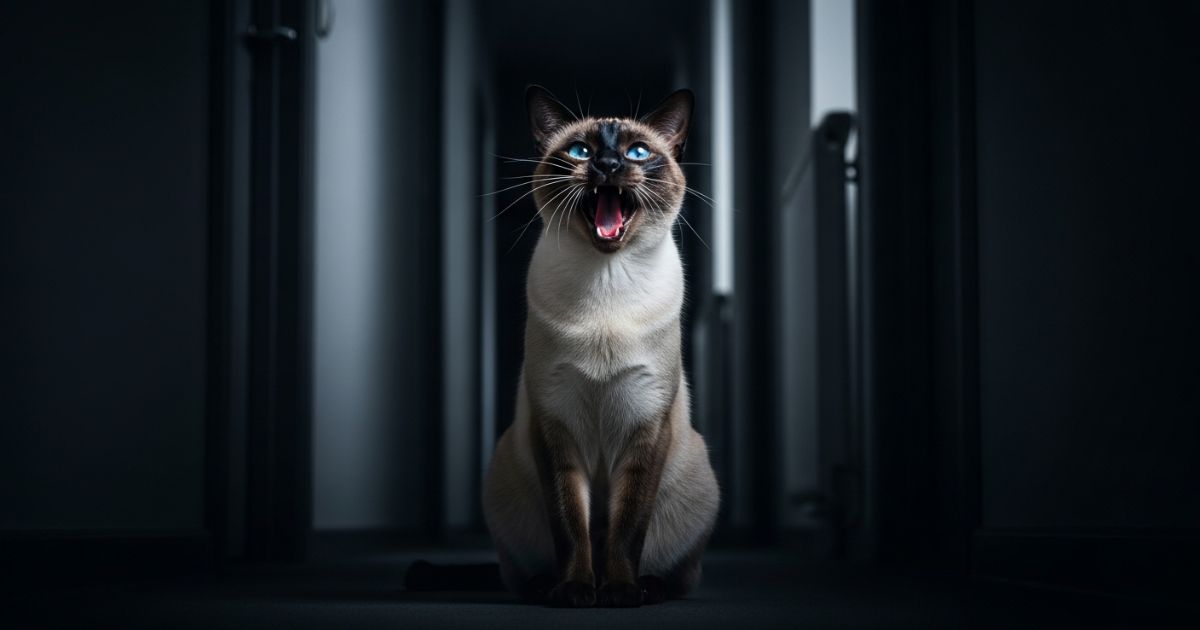
Coughing after using the litter box is often triggered by inhaling fine dust particles (silica or clay dust) that are kicked up during digging. For cats with feline asthma, these particles act as an irritant, causing bronchial inflammation and immediate coughing fits.
Q Is clay litter bad for cats with asthma?
Traditional cheap clay litters can be harmful because they often contain high levels of silica dust and added fragrances, both of which are major asthma triggers. However, high-quality, premium clay litters designed specifically to be 99.9% dust-free can sometimes be used safely, though biodegradable or crystal options are generally preferred.
Q How often should I change litter for an asthmatic cat?
For asthmatic cats, hygiene is critical. You should scoop waste daily (or twice daily) to prevent ammonia buildup, which irritates the lungs. If using non-clumping litter, change the whole box weekly. For clumping litter, perform a total change-out and scrub the box at least once a month to remove residual dust.
Q Can scented litter trigger feline asthma?
Yes, absolutely. The artificial fragrances and chemicals used to mask odors in scented litters are common allergens that can constrict a cat's airways. Veterinarians universally recommend unscented litter for cats with respiratory issues.
Q What is the most dust-free litter available?
While 'dust-free' labels can be misleading, pellet-style litters (like paper or zeolite pellets used in the Tidy Cats Breeze system) are physically incapable of creating dust clouds like granular litter. Among granular options, Dr. Elsey's Respiratory Relief silica gel is widely regarded as the gold standard for minimizing airborne particulates.

📖 Related Articles

The truth about Whisker Fatigue: Myths, Facts & Solutions
💬 Comments (0)
No comments yet. Be the first to share your thoughts! 👇
✍️ Leave a Reply