Cat Nutrition Guide: What Your Cat Really Needs to Eat
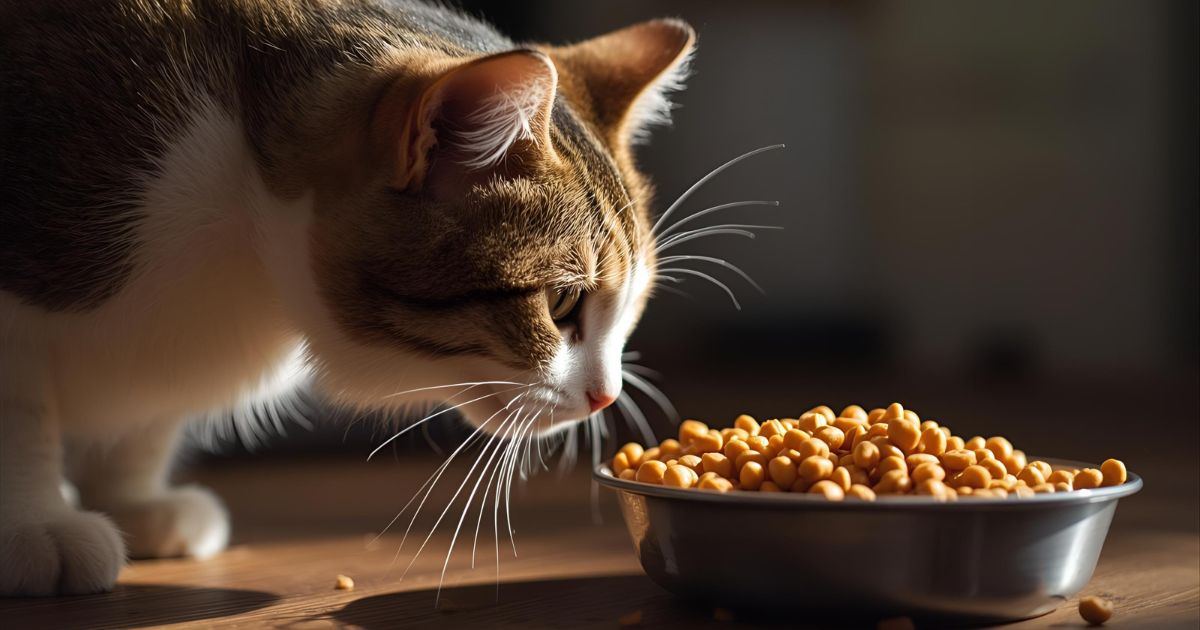
60% of cats in the US are overweight or obese. Most have chronic urinary issues by age 8. Senior cats develop kidney disease at alarming rates.
These aren't genetics, they're nutrition failures.
Your cat's body is literally built to process meat and moisture, not carb-filled kibble and dehydration. Feed them right, and they live longer, healthier lives. Feed them wrong, and you're basically setting up a slow health crisis.
This guide walks through exactly what cats need, why most commercial food gets it wrong, and how to actually feed your feline properly.
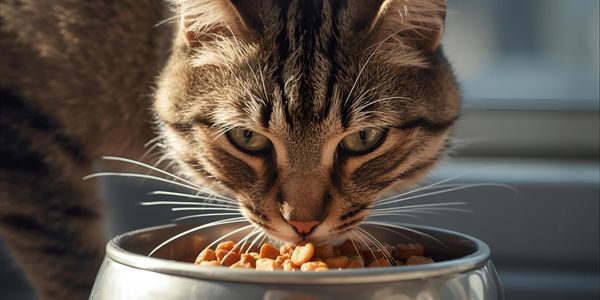
Why Proper Cat Nutrition Actually Matters (And Why Most Owners Get It Wrong)
Your cat is not a small dog. They are not a furry human. They are an obligate carnivore—meaning their bodies are built to process meat, not grains, not vegetables, not "natural chicken flavoring."
Get this wrong, and you will see it immediately: obesity, dull coat, digestive issues, kidney problems, and a cat that looks perpetually unwell despite "premium" food.
The real impact of proper nutrition:
- Health: Delivers actual nutrients that prevent disease instead of just existing in a bowl.
- Energy levels: A well-fed cat actually moves around instead of being a lump.
- Coat quality: Shiny, thick fur instead of the dull, thin mess most indoor cats have.
- Digestive comfort: No random vomiting or hairballs at 3 AM.
- Longevity: Proper nutrition can add years to your cat's life—not gimmicks, not supplements, just real food.
The obligate carnivore thing is not negotiable. Cats cannot survive on plants, grains, or "balanced vegetarian diets."
If you feed your cat vegetarian because of your own ethics, you are slowly starving them of essential amino acids they cannot make themselves. That's not love; that's negligence.
The Four Food Types (Ranked Honestly)
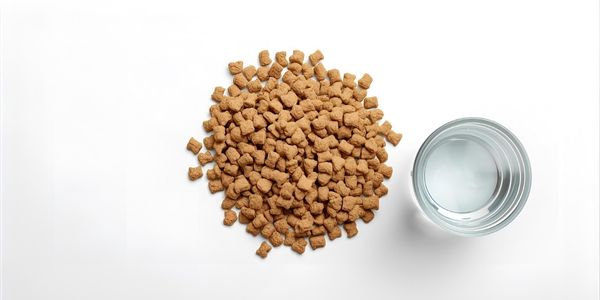
Dry Food (Kibble): Convenient But Problematic
Let's be blunt: kibble is the junk food of cat diets.
It's cheap to produce, cheap to store, and ridiculously convenient for you, which is exactly why the industry pushes it so hard.
What people love about kibble:
- Convenience: Dump it in a bowl, done.
- Cost: Cheaper per serving than wet food.
- Dental myth: Companies claim the crunchy texture cleans teeth (it doesn't, not really).
- Long shelf life: Sits forever without spoiling.
What they won't tell you:
- Only 6-10% water: Cats evolved to get moisture from prey, not from dry pellets. Feeding kibble-only leads to chronic dehydration.
- Full of carbs: Most kibble is 30-50% carbohydrates. Cats don't need this garbage.
- Heat processing destroys nutrients: Kibble is cooked at extreme temperatures, then sprayed with synthetic vitamins at the end.
From what I've seen, cats fed exclusively on kibble often develop urinary issues, kidney problems, and obesity by age 8.
Bottom line: Kibble alone is a shortcut for your convenience, not your cat's health.
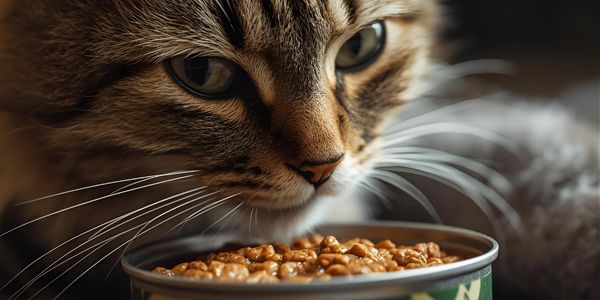
Wet Food (Canned): The Better Default
If you're going to pick one type of food, wet is objectively better for cats—even if it costs more.
Why wet food wins:
- 70-80% moisture: Mimics what a cat would eat in the wild (a mouse is mostly water).
- Higher protein: Usually actual meat as the first ingredient, not corn.
- Cats actually like it: Better smell, better texture, less incentive to beg for other food.
- Easier on aging cats: Softer texture helps seniors and cats with dental issues.
The realistic downsides:
- More expensive: Usually 2-3x the cost of kibble per serving.
- Needs refrigeration: Once opened, you've got 2-3 days before it spoils.
- Less dental stimulation: Won't help with tooth health like kibble supposedly does (even though kibble doesn't actually help that much).
The real issue: Most owners can't afford to feed wet food exclusively, so a mix of wet and kibble is the realistic compromise.
RELATED: Complete Cat Hydration Guide
Raw Food Diets: High Risk, High Reward
Raw feeding is what wild cats would eat, just dead prey instead of alive.
It appeals to people who understand that cooking destroys nutrients and that kibble is industrial sludge.
The legitimate advantages:
- Closest to natural diet: Raw muscle meat, organs, and bone structure like hunting.
- No processing: Zero heat damage, zero synthetic vitamins sprayed on at the end.
- Visible improvements: Owners often report shinier coats, better energy, cleaner teeth, smaller poops.
The serious problems:
- Bacterial contamination: Raw meat can carry salmonella, E. coli, and listeria—which your cat can shed into your home.
- Time-intensive: You're basically preparing a meal every day instead of opening a tin.
- Nutritional balance is hard: Just meat and organs isn't enough; you need the right ratio of calcium, phosphorus, taurine, and vitamins.
From what research shows, improperly balanced raw diets can cause nutritional deficiencies in as little as 6 months.
If you go raw: Buy pre-made raw cat food from reputable suppliers (like Primal or Steve's Raw Food) instead of DIY-ing it. Yes, it's expensive. No, there's no shortcut here.
RELATED: Raw Diet for Dogs, and Cats Guide
Homemade Cooked Food: The Middle Ground (If You're Serious)
Cooking meat at home gives you control over ingredients without the bacterial contamination risk of raw.
The upside:
- You control everything: No mystery by-products, no preservatives, no fillers.
- Fresher than commercial: Cook it today, feed it today or tomorrow.
- Tailored to your cat: Allergies? Sensitivities? Make it yourself.
The brutal truth:
- You probably won't do it consistently: Life gets busy, and home cooking requires actual effort multiple times a week.
- Nutritional balance is complex: You need the right ratio of meat, organ, calcium, and supplements, missing this causes deficiencies.
- Costs real money: Quality chicken, beef, organs, and supplements aren't cheaper than good wet food.
If you want to do this properly, work with a nutritionist who specializes in homemade cat diets (yes, you'll pay for consultation).
DIY guessing will hurt your cat in 6 months.
RELATED: Pet Supplements Guide: What actually works
What Cats Actually Need (The Non-Negotiable Nutrients)
Protein: The Foundation Everything Else Sits On
Cats need high-quality animal protein, not "meat meal," not "animal by-products," actual meat.
Look for foods where the first ingredient is chicken, turkey, beef, or fish (salmon and tuna are good).
- Why it matters: Protein provides amino acids cats cannot manufacture themselves, especially taurine.
- Minimum protein: Adult cats need at least 26% protein (by AAFCO standards), but 35-40% is more appropriate.
If the label says "corn gluten meal" or "soybean meal" before meat, put it back on the shelf.
Taurine: The Amino Acid That Keeps Your Cat Alive
This is not optional, not a supplement you add "if you feel like it."
Cats cannot produce taurine themselves, they must get it from meat.
- Deficiency causes: Heart disease (dilated cardiomyopathy), blindness, infertility, and neurological damage.
- It's not optional: Commercial cat foods are required to include taurine, but homemade and raw diets often don't have enough.
Most reputable commercial cat foods include taurine, but check the label.
If you're feeding homemade, you must add a taurine supplement or your cat will develop heart disease.
Healthy Fats: Not Just Empty Calories
Fats provide concentrated energy and support cell structure, hormone production, and nutrient absorption.
Look for foods listing omega-3 and omega-6 sources like fish oil, chicken fat, or flaxseed.
- Omega-3s: Reduce inflammation, support brain and eye health.
- Omega-6s: Support skin and coat quality.
A cat's diet should be roughly 10-15% fat, not the 25%+ found in many low-quality foods.
Critical Micronutrients (The Stuff You Can't See But Can't Skip)
- Vitamin A: For vision and immune function (cats can't convert beta-carotene like humans, so they need pre-formed vitamin A from meat).
- B vitamins: For energy metabolism and nerve function (heat processing destroys these, which is why kibble needs synthetic B vitamins sprayed on).
- Calcium and phosphorus: For bone structure and other functions (balance between these two is critical).
- Magnesium: Too much causes urinary crystals; too little causes other problems. Most foods need to be between 0.08-0.12%.
Water: The Nutrient Everyone Forgets
This is probably the single biggest nutritional failure in cat keeping.
Cats evolved hunting prey that is 70-80% water, not crunching dry pellets.
Feeding kibble-only leads to chronic mild dehydration, which causes urinary issues and kidney stress over time.
The solution: Wet food provides most of the water your cat needs. If you must feed kibble, add water to it or provide multiple water sources.
Food Type Comparison Chart
| Food Type | Cost Per Serving | Convenience | Nutritional Quality | Jamie's Verdict |
|---|---|---|---|---|
| Kibble (Dry) | Cheapest ($0.30-$0.80/day) | Highest (dump and done) | Lower (carbs, processing) | Convenient but dehydrating; use with wet food only. |
| Wet (Canned) | Moderate ($1.50-$3.00/day) | Medium (open, serve, refrigerate) | Higher (moisture, protein) | Best realistic option for most owners. |
| Raw | High ($2.00-$4.00/day) | Low (prep, handling) | Highest (unprocessed) | Best nutrition but requires knowledge; buy pre-made. |
| Homemade Cooked | High ($2.50-$4.50/day) | Very Low (cook daily) | High (if balanced) | Worth it only if you're consistent and use a nutritionist. |
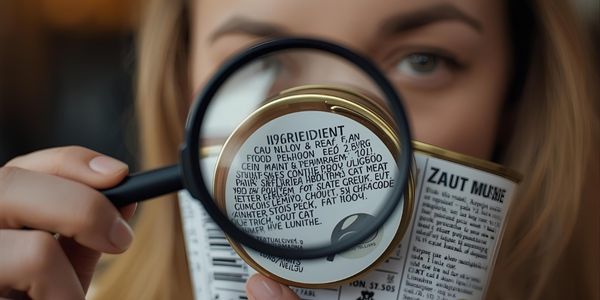
How to Actually Read a Cat Food Label (Without Getting Conned)
Pet food labels are designed to confuse you.
Marketing departments spend millions making bad food look good on packaging.
What to actually check:
- First ingredient: Should be a specific meat (chicken, beef, fish), not "meat meal," "by-products," or corn.
- Protein percentage: Minimum 26%, ideally 35-40% for adult cats.
- Fat percentage: Around 10-15% (not 25%+).
- Carbohydrate content: Lower is better; cats don't need grains.
- Taurine: Should be explicitly listed as supplemented or clearly present in ingredients.
- AAFCO statement: Confirms the food meets minimum nutritional standards (it's not perfect, but it's something).
Red flags that scream "avoid":
- Multiple grain ingredients (corn, wheat, soy) in the top 5.
- Artificial colors or flavors.
- Vague ingredients like "meat by-products" or "animal digest."
- No taurine listed.
- Suspiciously cheap price (you get what you pay for).
Nutritional Needs by Life Stage
Your cat's nutritional requirements change dramatically throughout their life.
Feeding the same thing to a kitten, adult, and senior cat is like giving the same diet to a toddler, a 30-year-old, and a 70-year-old, it doesn't work.
Kittens (8 Weeks to 1 Year)
Kittens are basically tiny construction projects.
They need more calories per pound of body weight than adults because they're growing and burning energy like maniacs.
- Protein needs: 30-40% (higher than adults because of growth).
- Fat needs: 12-20% (energy for chaos and growth).
- Calcium/phosphorus: Specific ratios for bone development (wrong ratios cause skeletal problems).
- DHA (omega-3): Supports brain and eye development.
- Feeding frequency: 3-4 meals per day until 6 months, then 2-3 meals.
Don't feed adult food to kittens, they won't get enough calories or calcium for proper growth.
Adult Cats (1-7 Years)
This is the "stable" phase where your cat's metabolism isn't changing much.
- Protein: 26-35% minimum (obligate carnivore, remember?).
- Fat: 10-15%.
- Feeding frequency: Twice daily is ideal (closer to natural hunting pattern).
- Caloric needs: 20 calories per pound of body weight per day (rough estimate).
Most cats thrive on a consistent routine with wet food as the primary diet, supplemented with kibble if needed.
Senior Cats (7+ Years)
Older cats need slightly different nutrition because their metabolism changes and their ability to digest certain things declines.
- Digestibility: Higher-quality proteins that are easier to break down.
- Joint support: Glucosamine and chondroitin can help with arthritis (which most seniors develop).
- Kidney support: Moderate protein (not too high, not too low) and adequate water intake.
- Tooth sensitivity: Wet food is often easier to eat than kibble.
- Feeding frequency: 3-4 smaller meals instead of 2 large ones (easier on digestion).
Senior cats often need therapeutic diets if they develop kidney disease, diabetes, or arthritis, but don't switch without talking to a vet first.
How to Switch Foods Without Your Cat Losing Their Mind
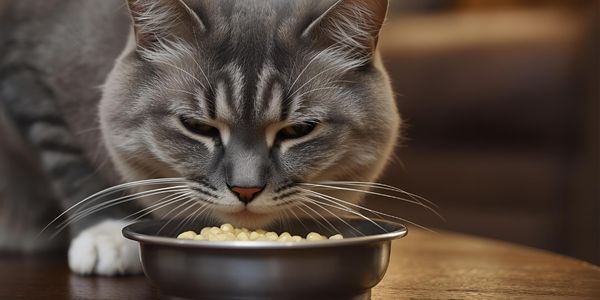
Cats are creatures of habit, and a sudden food change will trigger vomiting, diarrhea, or pure refusal to eat.
The proper transition (takes 7-10 days):
- Days 1-2: 75% old food, 25% new food.
- Days 3-4: 50% old food, 50% new food.
- Days 5-6: 25% old food, 75% new food.
- Days 7+: 100% new food.
Go slower if your cat has a sensitive stomach (some cats need 2-3 weeks).
Temperature matters: Most cats prefer food at room temperature or warmed slightly (like a freshly killed mouse).
Cold food from the fridge? Your cat will reject it.
Brand Recommendations (The Ones Worth Buying)
I'm not naming brands because they pay me, I'm naming them because they actually do better than the garbage filling pet store shelves.
Wet Food (Best Option):
- Tiki Cat Velvet Voices: High protein, no grains, real meat first ingredient.
- Wellness CORE: Grain-free, high protein, good ingredient list.
- Fancy Feast Classic (controversial but honest): Yes, it's expensive, but cats love it and it has decent meat content.
- Weruva: High-quality ingredients, real meat, no fillers.
Dry Food (If You Must Use It):
- Orijen or Acana: High protein, low carb, quality ingredients.
- Primal Freeze-Dried: If you want kibble texture but raw nutrition (expensive but worth it).
- Honest Kitchen: Lightly cooked, quality ingredients, hydrate with water.
Raw Food (Pre-Made):
- Primal Raw Frozen: Balanced, complete nutrition, thaw and serve.
- Steve's Real Food: High-quality, species-appropriate formulations.
The reality: You'll probably mix and match, good wet food as the primary diet with some kibble mixed in because wet food alone is expensive.
Feeding Schedules That Actually Work
How often and when you feed your cat matters more than people realize.
Free-Feeding (Leaving Food Out All Day): Not Recommended
This is how most obese cats happen.
Your cat eats out of boredom, not hunger, and the food sits there getting stale and attracting bacteria.
Scheduled Feeding (Recommended)
- Adult cats: Two meals per day, 8-12 hours apart (morning and evening).
- Kittens: Three to four meals per day (they need fuel for constant movement).
- Senior cats: Three smaller meals per day (easier on digestion, prevents hunger-vomiting).
Practical feeding routine:
- Put food down for 15-20 minutes.
- If your cat doesn't eat it, remove it (don't leave it sitting).
- This trains them to eat when food is available instead of grazing.
- Wet food should never sit longer than 1-2 hours (bacteria grows fast).
Calorie calculation: Most indoor adult cats need 200-300 calories per day depending on size and activity level.
Measure this out, don't guess, or your cat will gain weight, guaranteed.
Common Feeding Mistakes (That Most Owners Make)
Feeding Dog Food to Cats
Dog food lacks taurine and has a different amino acid profile.
Your cat will survive briefly, but will eventually develop heart disease and blindness.
Don't do this, even in an emergency, improvise with boiled chicken instead.
Giving Human Food as Treats
Your cat's digestive system is not a human's digestive system.
- Milk: Most adult cats are lactose intolerant.
- Chocolate: Toxic to cats (as it is to dogs).
- Onions and garlic: Damage red blood cells.
- Raw dough: Expands in the stomach and produces alcohol.
- Grapes and raisins: Can cause kidney failure.
If you want to give treats, use actual cat treats or small pieces of cooked chicken, not your leftovers.
Overfeeding (The Obesity Epidemic)
About 60% of cats in the US are overweight or obese.
This is not your cat being "chubby and cute", it's a health crisis.
Fat cats develop diabetes, arthritis, heart disease, and urinary issues.
How to prevent it:
- Measure portions with a cup, not eyeballing.
- Use scheduled feeding, not free-feeding.
- Count treats as part of daily calories.
- Weigh your cat monthly and adjust portions accordingly.
Ignoring Hydration
Cats fed dry food only are chronically mildly dehydrated.
This puts stress on kidneys and contributes to urinary problems.
How to fix it:
- Switch to wet food as primary diet.
- Add water to kibble (make it a gruel).
- Provide multiple water bowls in different locations.
- Some cats prefer running water, consider a water fountain.
When You Actually Need to Talk to a Vet (Not Just Google)
Before you switch to some weird kidney diet or homemade food, actually talk to a vet instead of taking advice from a Facebook group.
- Sudden appetite changes: Could be illness, not pickiness.
- Unexplained weight loss or gain: Often signals underlying disease.
- Vomiting or diarrhea after eating: Could be food allergy, sensitivity, or disease.
- Special dietary needs: Diabetes, kidney disease, urinary issues all require therapeutic diets.
- Multiple health problems: Need professional guidance, not internet advice.
Bottom Line: The Cat Nutrition Reality
Your cat needs meat, moisture, and consistency, not marketing buzzwords, not "premium" packaging, not the latest trend.
- Wet food is objectively better than kibble-only, even if it costs more.
- Obligate carnivore means actual meat, not grains and fillers.
- Taurine is not optional, it's the difference between your cat having a heart and not.
- Scheduled feeding prevents obesity.
- Water matters more than most owners realize.
Your cat has 15-20 years to live if you get nutrition right.
Get it wrong, and you'll spend that time managing obesity, diabetes, kidney disease, and heart problems.
The choice is yours, but stop pretending cost is the limiting factor when the real limiting factor is your willingness to prioritize your cat's health over convenience.
🐾 Frequently Asked Questions
Q Is wet food really that much better than kibble, or is it just more expensive?
Wet food is objectively better for cats because they evolved getting moisture from prey, not crunching dry pellets. Kibble-only feeding leads to chronic mild dehydration, which stresses the kidneys and contributes to urinary issues over time. Is wet food more expensive? Yes. But obesity, diabetes, and kidney disease are more expensive, so pick your cost. That said, a mix of wet and kibble is realistic for most budgets. Just don't feed kibble alone and expect your cat to thrive.
Q How do I know if my cat is eating enough or too much?
Your cat should have a visible waist when viewed from above and ribs you can feel (but not see) when you touch their sides. If you can't feel the ribs without pushing, your cat is overweight. If the ribs are visibly protruding, your cat is underweight. Use a measuring cup, not eyeballing, to portion out food. Most indoor adult cats need roughly 200-300 calories per day, but this varies by size and activity. Weigh your cat monthly and adjust portions, don't just assume they look fine.
Q Can I feed my cat a vegetarian diet for ethical reasons?
No, and if you do, you're slowly starving them of amino acids they cannot make themselves, especially taurine. Cats are obligate carnivores, this is not negotiable or flexible. Your ethics are valid, but your cat's biology isn't your opinion. If you can't feed your cat meat, get a rabbit or guinea pig instead. Don't sacrifice a cat's health for your principles.
Q Why does my cat throw up all the time, and does it mean I need to change food?
Vomiting in cats can be caused by eating too fast, hairballs, food sensitivity, or serious illness like kidney disease. First, rule out medical issues by seeing a vet, don't just assume it's the food. If it's food-related, transition slowly (7-10 days minimum) to a new diet; rapid changes cause vomiting. Some cats are genuinely sensitive to certain proteins or grains. If your cat is vomiting frequently even after diet changes, something else is wrong, get it checked.
Q Is raw food actually better, or is it dangerous?
Raw food is nutritionally closer to what cats would eat in nature, but it carries genuine risks: bacterial contamination (salmonella, E. coli) that your cat can shed into your home, and nutritional imbalances if you don't formulate it correctly. If you want to feed raw, buy pre-made balanced formulations from reputable suppliers (Primal, Steve's) instead of DIYing it. DIY raw diets often cause deficiencies in 6 months. Raw is best nutrition but requires either money or knowledge, preferably both.

📖 Related Articles

The truth about Whisker Fatigue: Myths, Facts & Solutions
💬 Comments (0)
No comments yet. Be the first to share your thoughts! 👇
✍️ Leave a Reply