How to Train Your Dog to Come When Called (Even If They Ignore You Now)
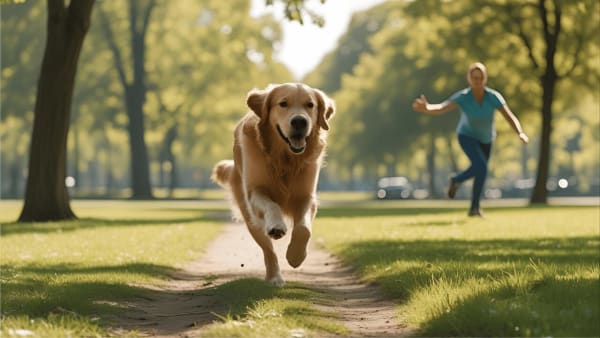
Build a reliable recall with a 4-stage positive reinforcement plan, from first practice to long lines and real distractions, even if your dog ignores you now.
Most unwanted dog behavior is communication, not defiance. Barking, chewing, pulling, and anxiety are signals that a need is not being met, whether that need is exercise, structure, safety, or simply clear instructions.
This section focuses on reward-based, science-backed training methods that build trust instead of fear. You will find step-by-step guides to core obedience, reliable recall, and loose-leash walking, plus specific help for reactive dogs, aggression toward other dogs, separation anxiety, car anxiety, and destructive behavior.
Other articles explain everyday habits such as tail chasing, head tilting, rolling in the grass, and ear positions, so you can tell normal behavior from a sign that something is wrong. Practical enrichment ideas show how to tire out a busy mind without endless walks.
Training takes patience and consistency, and some problems need a professional, so each guide also explains when to involve your vet or a qualified behaviorist.

Build a reliable recall with a 4-stage positive reinforcement plan, from first practice to long lines and real distractions, even if your dog ignores you now.
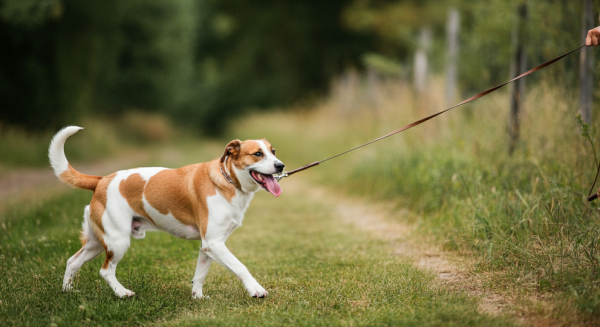
Positive reinforcement leash training for reactive dogs: proven techniques, a progression timeline, and safety tips.
Signs of anxiety in adopted shelter dogs: recognize symptoms, understand timelines, and know when to get help.
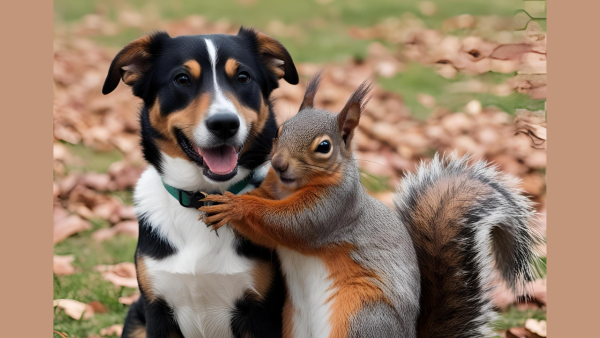
Train your dog to ignore squirrels: step-by-step guide with positive reinforcement methods and real-world training tips.
Complete dog obedience training guide: 8-week schedule, positive reinforcement methods, troubleshooting common problems.
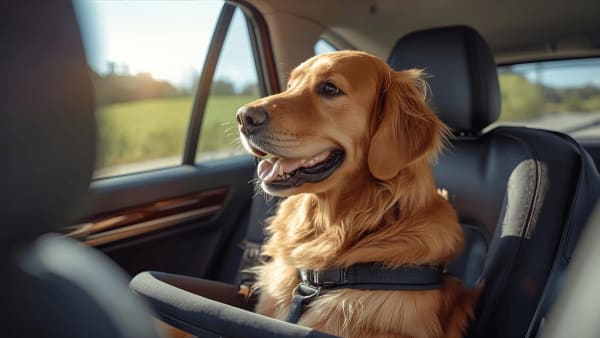
10 techniques to help a dog with car anxiety, from desensitization and counter-conditioning to safe travel gear, and when to talk to your vet.