10 Dog Car Anxiety Training Tips & Techniques That Actually Work
Heads up: This post contains affiliate links. If you buy something through them, I earn a small commission at no extra cost to you. It keeps the lights on and the kibble bowl full. Read the full boring legal stuff here.
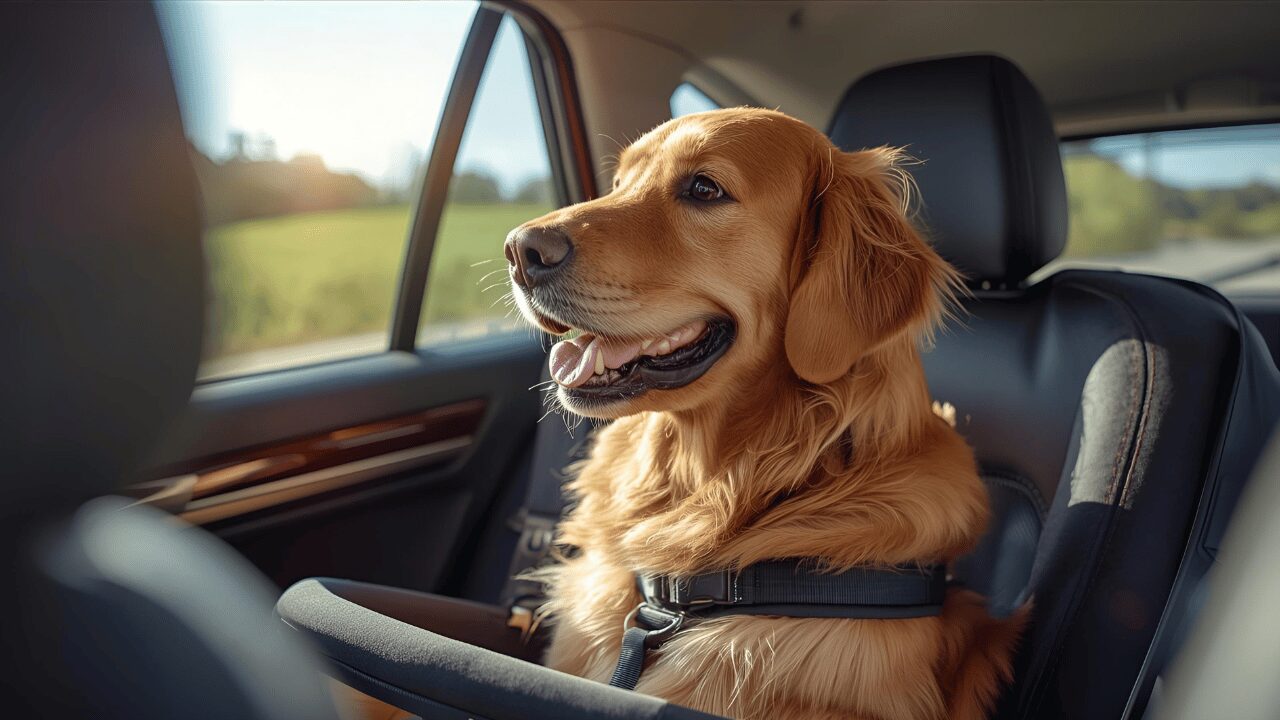
If you’ve ever loaded your dog into the car only to have the trip turn into a trembling, panting, drooling horror show...
Yeah, I’ve been there. Car anxiety in dogs is a nightmare, and it’s more common than most owners admit. The good news? It isn't a life sentence. It just takes the right mix of patience, tactical training, and the right gear (which I’ll share in this post, because why reinvent the wheel when you can click "Add to Cart"?).
So, here are 10 proven dog car anxiety training tips and techniques that actually help your pup relax, travel better, and maybe even survive your next road trip without a meltdown.
1. Start with Calm Energy (Yours, Not Theirs)
Dogs feed off your energy like psychic vampires. If you’re tense, rushing, or frustrated while trying to shove them into the backseat, your dog’s anxiety spikes immediately.
Before anything else, you need to check yourself. Take a minute. Breathe. Treat this like a calm operation, not a wrestling match.
If your dog senses calm confidence from you, they’ll start to associate the car with safety instead of chaos. It sounds simple, but it works.
RELATED: Pet Behavior Correction Guide: Fix Common Pet Behavior Problems
2. Make the Car a Normal Thing Again
Most dogs get anxious because they only ride in the car when they’re going to the vet. And if every trip ends with a thermometer up their backside, you can understand the fear.
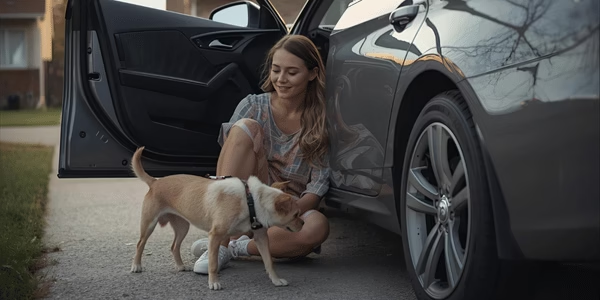
The fix? Desensitize your dog to the metal box. Step-by-step:
- Let them sniff around the car while it’s parked and off.
- Reward them with treats for simply being near the enemy.
- Sit with them inside the car with the engine off.
- Then, turn on the engine, but don’t move.
- Finally, take a short, slow drive around the block and end at a fun spot like the park.
You’re retraining their brain to think: “Car = adventure,” not “Car = torture chamber.”
This approach is one of the most effective dog travel anxiety remedies out there because it builds positive associations instead of terror.
RELATED: Crate Training Adult Dogs: Your Complete Step-by-Step Guide
3. Use Calming Treats or Chews
Some dogs just need a chemical assist to take the edge off before travel. And no, we’re not talking about doggy cocktails.
Natural dog anxiety supplements can help reduce stress before you turn the key. Look for ones with ingredients like L-theanine, chamomile, or melatonin.
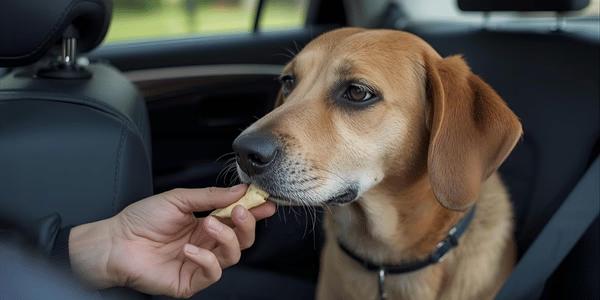
Recommended option: Zesty Paws Calming Bites : these are like chewable chill pills for dogs. Good taste, gentle ingredients, and solid results for most breeds. Give one about 30–45 minutes before leaving. Your dog should be noticeably calmer, which makes the trip safer and easier for everyone.
4. Try a Comforting Dog Car Seat or Booster
Smaller dogs, especially, feel vulnerable in a moving car. They slide around, can’t see out the window, and generally feel like they are about to die.
A dog booster seat gives them elevation and stability so they can see what’s happening while staying secure.
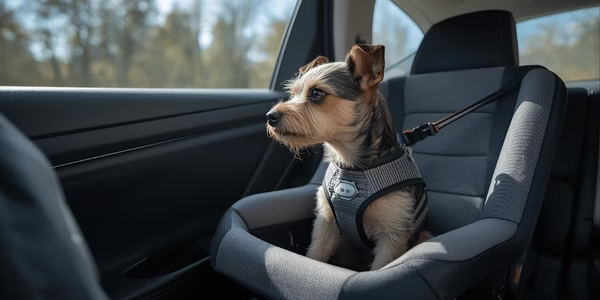
Recommended option: K&H Pet Products Bucket Booster Seat : sturdy, easy to clean, and comes with tethers so they don't become a projectile. It’s like a first-class seat for your dog, and it cuts anxiety by giving them comfort and a better view.
Bonus: less fur and vomit on your upholstery.
5. Harness Up, Not Down
One of the worst habits dog owners have is letting their dog ride loose in the car.
Besides being unsafe, it actually increases anxiety because your dog feels like they are surfing on ice. A proper dog car harness keeps them secure and steady while allowing freedom to move comfortably.
Recommended option: Kurgo Tru-Fit Smart Harness : crash-tested, comfortable, and adjustable for most breeds. It’s a seatbelt your dog won’t hate. And it keeps both of you safer when some idiot cuts you off in traffic.
6. Keep It Cool, Quiet, and Comfortable
Some dogs experience motion sickness or sensory overload. The smell of old fast food, loud music, and blasting air vents can all add up to a bad time. Here’s what helps:
- Keep the temperature moderate (cooler is better).
- Play calming dog music or nature sounds.
- Avoid loud conversations or blasting the radio.
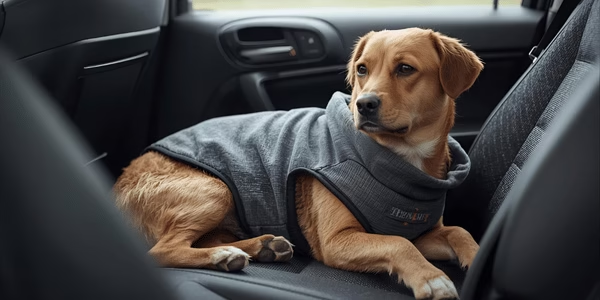
If your dog still seems anxious, try using an anxiety wrap or blanket to create gentle pressure that calms their nerves.
Recommended option: Thundershirt Classic Dog Anxiety Jacket : it feels like a comforting hug and helps reduce both travel and noise-related anxiety.

7. Build Positive Associations with Rewards
Dogs learn best through repetition and rewards. So, bring out the high-value ammunition, chicken bites, peanut butter, or their favorite snack. Each time they:
- Get into the car calmly, reward.
- Sit quietly during a short drive, reward.
- Exit the car without panicking, reward again.
Over time, your dog connects “car” with “treats and praise.” That’s how you train a dog to love car rides instead of dreading them.
RELATED: 12 Powerful Positive Reinforcement Techniques for Dogs That Work
8. Start with Short Trips and Gradually Increase Time
Don’t jump straight into a two-hour drive. That’s like taking someone afraid of flying and booking them a 14-hour flight to Tokyo. Start with very short rides, literally around the block, and slowly build up duration as your dog gets comfortable.
You’re creating a foundation for success by keeping early trips easy and ending them positively. If your dog starts panting, whining, or pacing, stop and take a break. Pushing too far too fast can undo your progress.
9. Skip Big Meals Before Travel
Dogs prone to anxiety often have sensitive stomachs, too. Feeding them right before a car ride increases the risk of motion sickness and drooling.
Give them a light meal 3–4 hours before traveling. This keeps nausea at bay. If motion sickness continues, ask your vet about dog-safe anti-nausea medication or supplements. Sometimes a small adjustment can completely eliminate the vomit factor.
10. Stay Consistent and Patient
Here’s the hard truth: there are no instant fixes. You can’t just spray a “dog car anxiety spray” and expect a miracle. Consistency wins here. Stick with:
- Calm exposure
- Gradual training
- The right tools (seat, harness, calming treats)
- Positive reinforcement
Each calm trip builds on the last. Over time, you’ll see progress, less trembling, more relaxation, and maybe even that golden moment where your dog hops in willingly. That’s when you know you’ve cracked the code on how to calm a dog in the car.
Bonus Tip: Call a Professional If You’re Stuck
If you’ve tried all these dog car anxiety training techniques and your pup still panics, it may be time to call a certified dog trainer or canine behaviorist.
They can identify deeper triggers like past trauma or sensory issues and create a personalized plan that works faster and more effectively. Sometimes just one session can make a world of difference.
Final Thoughts
Helping your dog overcome car anxiety isn’t about forcing them to "get over it." It’s about creating positive associations, stability, and trust.
Use the right combination of calm energy, short drives, and proven tools to turn your anxious passenger into a relaxed co-pilot. Within a few weeks, you might go from “Oh no, not the car again” to “Windows down, ears flapping, pure joy.” Because that’s what dog travel should be about freedom, fun, and furry companionship.
Quick Recap: Dog Car Anxiety Remedies & Tools
| Problem | Solution | Recommended Product |
| Stress & restlessness | Natural calming chews | Zesty Paws Calming Bites |
| Fear of car rides | Secure, elevated seat | K&H Pet Products Bucket Booster Seat |
| Lack of stability | Crash-tested harness | Kurgo Tru-Fit Smart Harness |
| Overstimulation | Soothing compression wrap | Thundershirt Classic Dog Anxiety Jacket |
SEPARATION ANXIETY RELATED POSTS:
🐾 Frequently Asked Questions
Q How long does it take to fix car anxiety?
Timelines vary by dog and severity. Many dogs improve within 2–4 weeks with daily desensitization. Moderate or severe cases may need several weeks to a few months. Advance only when your dog stays relaxed at the current step to avoid setbacks.
Q What is desensitization and counter‑conditioning?
Desensitization exposes your dog to the car in tiny, non‑scary steps (e.g., parked car, engine on, ultra‑short drives). Counter‑conditioning pairs each step with something your dog loves (treats, praise) to change the emotional response from fear to positive anticipation.
Q What does a step‑by‑step plan look like?
Start with a stationary car and doors open. Reward calm exploration. Then move to sitting in the car, then engine on without moving, and finally drives under a minute. Lengthen only when your dog remains relaxed. If stress appears, drop back one step and rebuild.
Q My dog regresses, what did I do wrong?
Regression usually means the last step was too big or you advanced too quickly. Shorten sessions, lower intensity (e.g., engine off again), and reward calm at the easier step before progressing. Plateaus and temporary setbacks are normal.
Q Should I use a crate, carrier, or seat‑belt harness?
Safe restraint reduces startle responses and movement, which can lower anxiety and prevent injury.
Use a crash‑tested harness or a well‑ventilated crate your dog has been positively conditioned to relax in before car sessions.
Q Can motion sickness make anxiety worse?
Yes. Nausea can pair the car with feeling ill, amplifying fear. Ask your vet about motion‑sickness management (meal timing, medications) while you train so sickness doesn’t sabotage progress.
Q When should I involve a vet or behavior professional?
Seek help if your dog panics despite very small steps, refuses food near the car, or shows escalating distress. Severe cases often improve faster with a tailored plan and, when appropriate, short‑term anti‑anxiety support.
Q Are calming aids helpful?
They can help when layered onto training. Consider pheromone products, calming chews, pressure wraps, cool cabin temperature, familiar bedding, and gentle music. Use them as adjuncts, not replacements, for desensitization and counter‑conditioning.
Q How long should each session be?
Keep sessions very short at first, often 1–5 minutes, and end on success. Multiple micro‑sessions each week are more effective than long sessions that risk pushing your dog over threshold.
Q What are signs I’m moving too fast?
Refusing food, lip‑licking, yawning, trembling, freezing, panting, whale‑eye, attempts to escape, or vocalizing indicate your dog is over threshold. Stop, return to the last relaxed step, and rebuild with smaller increments.

📖 Related Articles
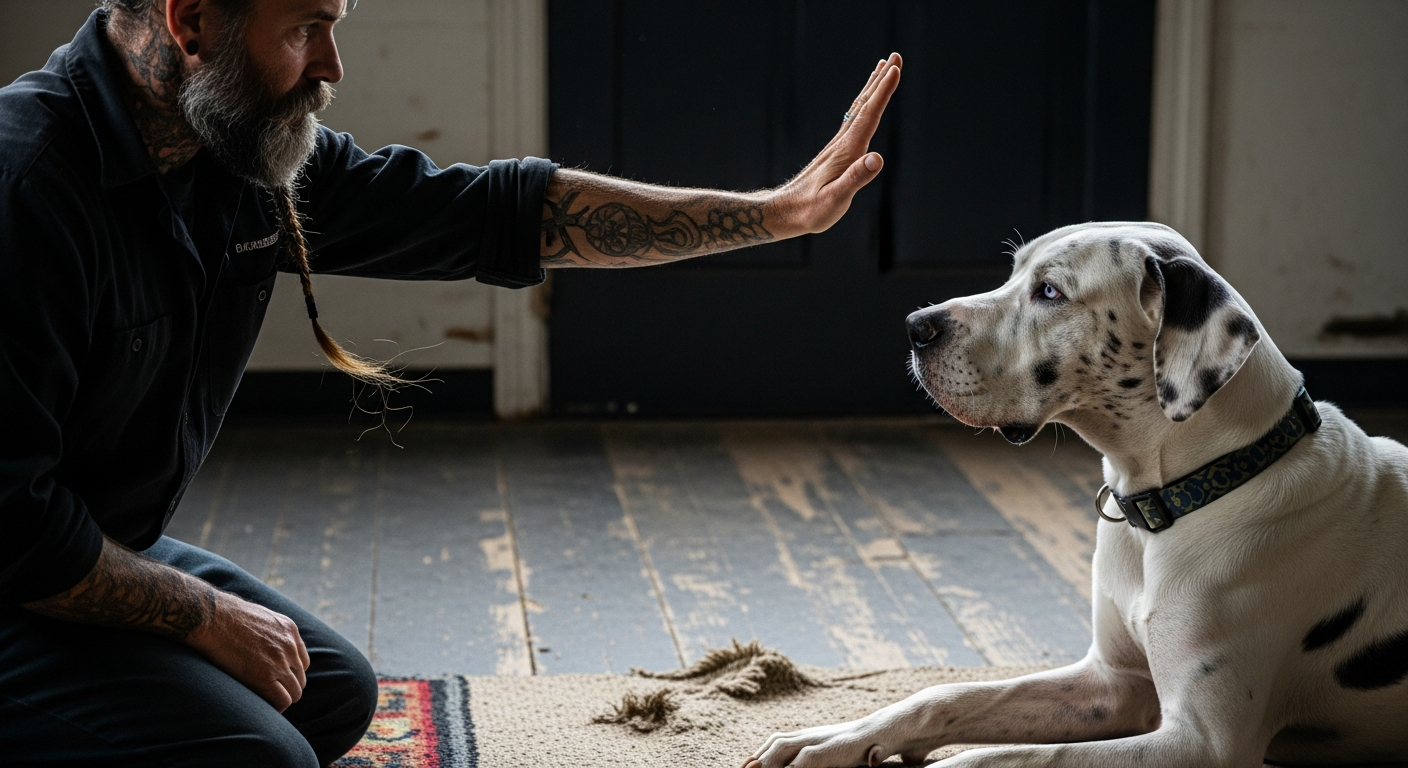
Training deaf dogs with hand signals: A Real-World Guide

Why Do Dogs Chase Their Tails? The Thin Line Between Play and Pathology
💬 Comments (0)
No comments yet. Be the first to share your thoughts! 👇
✍️ Leave a Reply