The Ultimate Dog Parasite Prevention Guide: Keep Your Pup Safe 🐕
Heads up: This post contains affiliate links. If you buy something through them, I earn a small commission at no extra cost to you. It keeps the lights on and the kibble bowl full. Read the full boring legal stuff here.

Parasite prevention isn't glamorous. It won't trend on social media or spark conversations at the dog park.
But here's what it actually is: the difference between a healthy dog and a $3,000 emergency vet bill.
Most dog owners treat parasite prevention like car insurance, something they know they *should* do but hope they'll never actually need. That approach works until it doesn't.
This guide cuts through the noise and gives you the real strategy. No fluff. No false promises. Just the facts about keeping your dog parasite-free, what it costs, and why skipping it is financial suicide.
What You're Actually Fighting
Parasites come in two flavors, and both are problems.
External Parasites: The Visible Threats
Fleas are worse than you think. A single flea lays 50 eggs per day.
Those eggs fall everywhere, your carpet, your couch, your bed. Within two weeks, you have hundreds. Within a month? A full infestation that's incredibly hard to kill.
Ticks are the serial killers of parasites. They latch on, feed slowly, and transmit diseases like Lyme disease and anaplasmosis.
We're talking joint pain, fever, lethargy, and neurological damage that can last years or permanently alter your dog's quality of life.
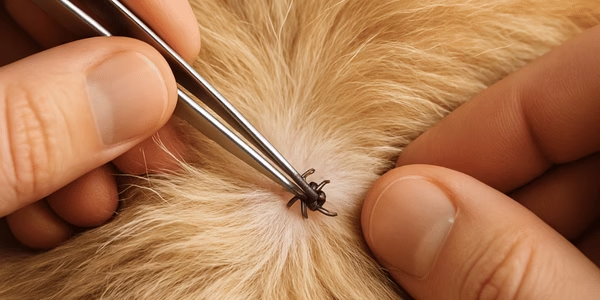
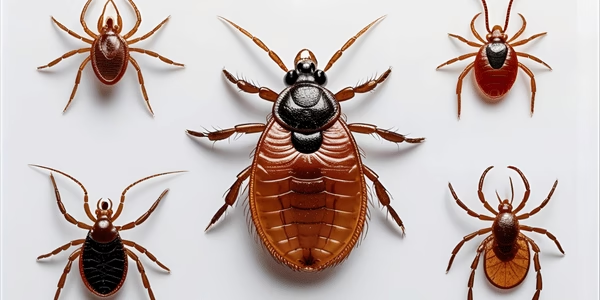
Mites come in three flavors:
- Ear mites turn your dog's ears into itchy, waxy nightmares.
- Demodex mites cause patchy hair loss and crusty skin.
- Sarcoptic mites create intense itching known as scabies, absolutely miserable for your dog.
Internal Parasites: The Silent Destroyers
Roundworms are the most common internal parasites. Here's the kicker: they can infect humans, especially children.
Your dog gets a pot-bellied appearance, vomiting, diarrhea, and stunted growth. In puppies, they can be fatal.
Hookworms feed on blood and cause severe anemia, weakness, dark/tarry stools, and sometimes death in puppies.
They're particularly dangerous because symptoms can escalate rapidly without warning.
Tapeworms live in your dog's intestines. They're rarely life-threatening, but they're transmitted through infected fleas and create those gross rice-like segments in stool.
Heartworms? This is the nightmare scenario. Mosquitoes spread them, and they cause heart failure, lung disease, kidney damage, and death if left untreated.
The Prevention Reality: You Actually Have to Commit
Most parasite problems are completely preventable. The catch? You actually have to do it consistently.
Why Year-Round Prevention is Non-Negotiable
The seasonal myth is real, and it costs pet owners thousands every year.
Many owners think parasites are a warm-weather problem. They're not. Your heated home in January is a perfect 72-degree incubator for flea eggs to hatch and multiply at lightning speed.
The indoor dog myth is also dead wrong. Parasites hitch rides on your clothes, come through open doors, get tracked in on your shoes, and enter through other pets in the house.
Even indoor-only dogs need year-round protection. This isn't optional.
Here's the math on prevention vs. treatment:
| Parasite Problem | Annual Prevention Cost | Treatment Cost | Primary Symptoms |
|---|---|---|---|
| Heartworm | $50–$120 | $1,000–$3,000+ | Cough, fatigue, difficulty breathing, collapse |
| Fleas | $100–$200 | $200–$500+ | Scratching, skin irritation, hair loss, anemia |
| Tick-borne Disease | $50–$150 | $500–$2,000+ | Joint pain, fever, lethargy, neurological damage |
| Intestinal Worms | $60–$100 | $100–$300+ | Diarrhea, weight loss, pot-belly, stunted growth |
Prevention is always cheaper than treatment. Always.
Building Your Defense System
Age-Based Prevention Strategies
Puppies (0–6 months)
Puppies are parasite magnets. Their immune systems are developing, and they're often exposed through their mother's milk or environment.
- Deworming: Every 2 weeks until 12 weeks old, then monthly until 6 months.
- Flea prevention: Start as early as 8 weeks (product-dependent, ask your vet).
- Heartworm prevention: Begin by 6–8 weeks old without exception.

Adult Dogs (6+ months)
Once your dog hits adulthood, shift to a maintenance schedule:
- Intestinal worms: Every 3 months (more frequently for dogs that hunt or scavenge).
- Heartworm: Monthly oral medication or annual injection.
- Fleas and ticks: Monthly or quarterly products depending on regional threat level.
RELATED: Senior Pet Care: Essential Tips for Your Aging Furry Friend

Year-Round Prevention Calendar
January–March (Early Spring)
- Continue heartworm prevention without interruption.
- Start flea/tick prevention if paused during winter.
- Schedule spring vet checkup and discuss parasite testing.
- Increase yard maintenance (mow regularly, remove leaf litter to reduce tick habitat).
April–June (Late Spring/Early Summer)
- Administer monthly flea/tick prevention consistently.
- Intestinal worm treatment if recommended by your vet.
- Check for external parasites during grooming sessions.
- Monitor for excessive scratching or signs of infestation.
July–September (Summer/Early Fall)
- Continue monthly heartworm and flea/tick prevention (peak season).
- Increase tick checks after hiking, swimming, or outdoor activities.
- Monitor for signs of heat-related stress combined with parasites.
October–December (Fall/Winter)
- Maintain year-round heartworm prevention (critical).
- Adjust flea/tick frequency based on local climate, but don't skip entirely.
- Schedule annual vet exam, bloodwork, and parasite testing.

RELATED: Pet Vaccination Guide: Keep Your Pet Healthy & Protected
Product Recommendations: What Actually Works
All-in-One Monthly Treatments 💊
- Simparica Trio Chewable – Fleas, ticks, heartworm, roundworms, hookworms
- Nexgard Spectra Chewable – Fleas, ticks, heartworm, intestinal worms
- Credelio Plus Chewable – Fleas, ticks, heartworm, intestinal worms
Extended-Duration Options ⏰
- ProHeart 6 Injection – 6-month heartworm protection (vet-administered)
- Bravecto Chewable – 3-month flea and tick protection
- Seresto Collar – 8-month flea and tick protection
Water Additives & Supplements
- TropiClean Fresh Breath Water Additive – Helps reduce parasites in drinking water
- Diatomaceous Earth (Food Grade) – Natural supplemental support
Note: Product availability and pricing change regularly. Check current prices and verify they're in stock before purchasing.

Cost Breakdown: What Prevention Actually Costs
Budget Option (Basic Protection)
Monthly: $8–$15 | Annual: $96–$180
Generic heartworm prevention + basic flea control + quarterly deworming. Best for: single dogs in low-risk areas.
Mid-Range Option (Comprehensive Protection)
Monthly: $15–$25 | Annual: $180–$300
All-in-one monthly product + quarterly worm treatment + annual fecal testing. Best for: families with 1–2 dogs in moderate-risk areas.
Premium Option (Maximum Protection)
Monthly: $25–$40 | Annual: $300–$480
Top-tier all-in-one product + extended-duration options + regular health monitoring. Best for: multi-dog households, high-risk areas, senior dogs.
5-Year Investment Reality:
- Basic: $480–$900 total (avoiding $1,000+ in potential treatment costs).
- Comprehensive: $900–$1,500 total (avoiding $2,000+ in potential treatment costs).
- Premium: $1,500–$2,400 total (avoiding $3,000+ in potential treatment costs).
Environmental Management: The Overlooked Part
Your home and yard are parasite breeding grounds if you let them be.
Inside Your Home:
- Vacuum regularly: Removes flea eggs and larvae from carpets and furniture.
- Wash pet bedding weekly in hot water to kill parasites.
- Maintain low humidity (below 50% if possible), inhibits flea development.
- Groom your dog frequently, catch parasites before they spread.
In Your Yard:
- Mow grass regularly to reduce tick habitat.
- Remove leaf litter and debris where parasites hide.
- Keep vegetation trimmed away from walking paths.
- Consider yard treatment if tick populations are severe (consult a professional).
Handling Missed Doses & Product Issues
If You Miss a Monthly Dose
1–3 days late? Give it as soon as you remember. No problem, no gap in protection.
4–7 days late? Give it immediately, then resume your normal schedule. Keep close watch for any signs of parasites (scratching, lethargy, visible parasites) during this window.
More than a week late? Contact your vet. Depending on the product and your area's risk level, they may recommend an immediate dose or suggest a different dosing schedule.
Pro tip: Set phone reminders on the same day each month, or use subscription services like Amazon Subscribe & Save to prevent missed doses entirely.
If Your Dog Won't Swallow the Chewable
- Hide in treats: Peanut butter, cream cheese, or pill pockets often work.
- Ask your vet for alternatives: Not all dogs respond to chewables. Topical treatments or injections may be better.
- Try a different brand: Some dogs prefer the taste of one product over another.
- Crush and mix (if approved): Some products can be crushed. Ask your vet first, not all can be.
Common Side Effects: What's Normal vs. Concerning
Usually Harmless (Monitor at Home)
- Mild lethargy or sleepiness for 24 hours.
- Reduced appetite for a meal or two.
- Mild vomiting or loose stool (within 24 hours).
- Slight itching at topical application site (temporary).
Call Your Vet If You See These
- Persistent vomiting or diarrhea lasting 24+ hours.
- Lethargy lasting more than a day.
- Loss of appetite for more than one meal.
- Excessive drooling or difficulty swallowing.
- Trembling, seizures, or unusual behavior.
- Skin irritation, hives, or swelling at topical site.
If your dog experiences any reaction, contact your vet immediately. They can recommend an alternative product or adjust dosing.
Geographic Parasite Threats
Your region determines which parasites are priority threats.

Hot, Humid Climates (South, Gulf Coast, Southeast)
Year-round flea activity, heavy tick populations, high heartworm prevalence.
Strategy: Mandatory year-round heartworm prevention with zero gaps, aggressive monthly flea control, environmental management (yard maintenance, regular grooming).
Cold, Dry Climates (Northern Plains, Mountains, Northern States)
Seasonal parasite activity with winter breaks, but heartworm remains a threat when temps exceed 57°F.
Strategy: Seasonal intensification (spring–fall), consistent heartworm coverage year-round, focus on intestinal parasites during hunting season.
Temperate Coastal Areas (Pacific Northwest, Northeast, Great Lakes)
Moderate year-round activity with specific tick-borne disease risks (especially Lyme disease).
Strategy: Consistent year-round prevention with seasonal adjustments, extra Lyme disease focus in endemic areas, regular tick checks.
Common Prevention Mistakes to Avoid
The Seasonal Trap: Only providing protection during warm months leaves your dog vulnerable when flea eggs hatch indoors during winter. Parasites don't follow the calendar.
The Indoor Dog Fallacy: Parasites enter homes via clothes, shoes, open doors, and other pets. Indoor dogs need protection too.
The Cheap Product Gamble: Low-cost, ineffective products waste money and leave dogs unprotected. Invest in vet-recommended brands.
Inconsistent Dosing: Missed doses create gaps where parasites can establish. Set reminders or use auto-delivery services.
Eartworm Prevention: The Non-Negotiable
Why it matters: Found in all 50 U.S. states, a single mosquito bite transmits the disease, and treatment costs $1,000–$3,000+ with no guarantee of success.
Prevention options:
- Monthly pills: Affordable and easy, but easy to forget.
- ProHeart injection: 6–12 month protection, vet-administered, zero missed doses.
- Topical treatments: Combines flea/tick prevention, but potential skin irritation in some dogs.
The bottom line: Prevention is 100% effective when done correctly. Treatment is expensive, risky, and sometimes fails.
Your Action Plan: What to Do Right Now
This Week: Evaluate your current prevention program, identify gaps, and schedule a vet consultation.
Next Month: Start your chosen protocol, set up reminders, and create your prevention calendar.
Ongoing: Watch for side effects, track effectiveness, and adjust seasonally based on your location.
Final Truth
Parasite prevention isn't exciting. It won't impress anyone at the dog park or earn you any internet points.
But it's one of the smartest investments you'll make in your dog's health. Every month you maintain consistent prevention, you're protecting against thousands in future vet bills and protecting your dog's quality of life.
The choice is simple: spend $100–$300 per year on prevention, or potentially $1,000–$10,000+ on emergency treatment.
Your dog deserves protection. Do it
Resources & References
Companion Animal Parasite Council (CAPC) Guidelines
CDC Parasite Information
American Heartworm Society
🐾 Frequently Asked Questions
Q Can I use cheaper generic parasite prevention instead of brand-name products?
Usually yes. Most generics have identical active ingredients to brand-name products. Ask your vet about generic options, you could save 25–50% on the same protection. Just make sure it's vet-approved, not some sketchy Amazon knockoff.
Q What if my dog has a reaction to flea prevention?
Contact your vet immediately. Some dogs are sensitive to certain ingredients. Your vet can recommend an alternative product or switch to a different class entirely. Don't just stop prevention and hope for the best.
Q Is year-round prevention really necessary in cold climates?
For hearthworm? Absolutely yes. Mosquitoes can be active above 57°F even in northern states. For fleas and ticks, you can reduce frequency in winter, but don't skip it entirely. Your heated home is a flea incubator.
Q What's the difference between topical and oral parasite prevention?
Topical treatments apply to the skin and work locally and systemically. Oral medications work from the inside out. Both are effective. Choose based on your dog's tolerance, some dogs hate topicals being rubbed on them, others won't swallow pills.
Q What if I miss a monthly dose?
1–3 days late? Give it immediately, no problem. 4–7 days late? Give it right now and watch closely for parasites over the next month. More than a week late? Call your vet. Depending on the product and your area's risk, they'll either tell you to dose immediately or adjust your schedule.

📖 Related Articles

Training deaf dogs with hand signals: A Real-World Guide

Why Do Dogs Chase Their Tails? The Thin Line Between Play and Pathology

💬 Comments (0)
No comments yet. Be the first to share your thoughts! 👇
✍️ Leave a Reply