How Often Should You Bathe Your Dog?
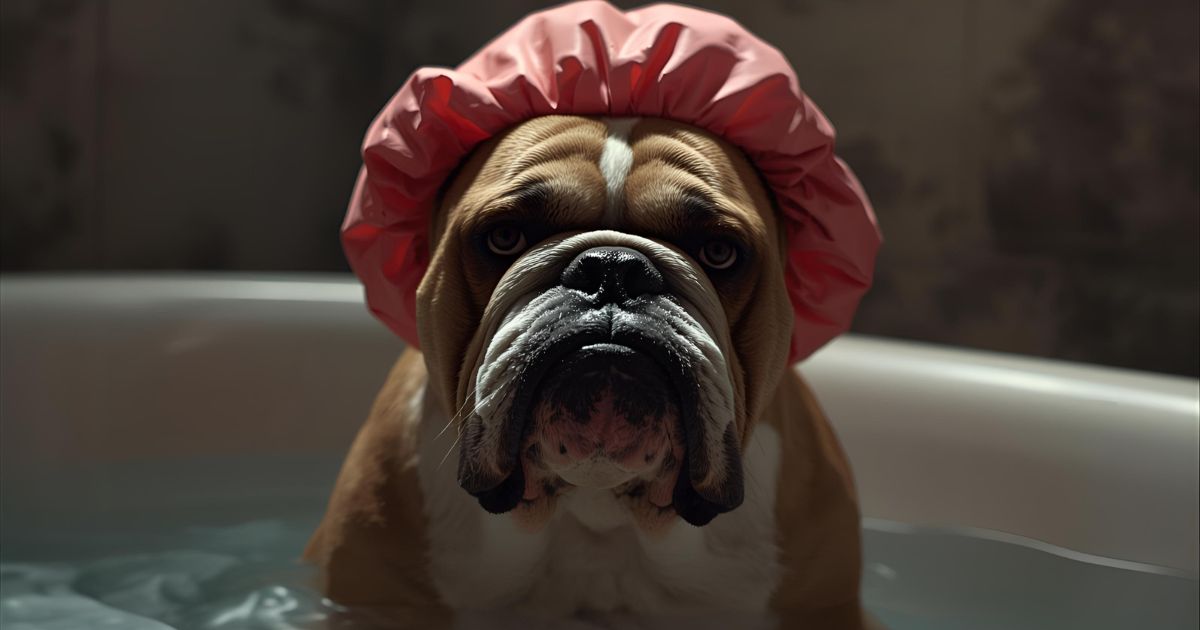
The "Clean Dog" Obsession is Ruining Your Dog's Skin
Let's get one thing straight immediately.
Your dog is not a human.
They do not need a daily shower.
They probably don't even need a weekly one.
If you treat your dog's skin like your own, you are going to end up with a scratching, flaky, miserable animal.
The pet grooming industry wants to sell you shampoos, conditioners, and "pawfumes" because that makes them money.
I don't care about their bottom line.
I care about your dog's microbiome.
So, let's cut through the marketing nonsense and talk about basic biology.
The answer to "how often should you bathe your dog" isn't a calendar date.
It depends entirely on the beast living in your house.
The Biology Lesson You Didn't Ask For (But Need)
Dogs have fur for a reason.
It's not just decoration.
It is a functional barrier designed to trap dirt, repel water, and regulate temperature.
More importantly, their skin produces natural oils.
These oils are vital.
They keep the skin elastic and the fur water-resistant.
Every time you lather up your dog with soap, you strip those oils away.
Imagine washing your hands with dish soap ten times a day.
That tight, dry, cracking feeling?
That is what over-bathing does to a dog.
Human skin has a pH of around 5.5.
Dog skin is much more neutral, ranging from 6.2 to 7.4.
This means your fancy, expensive human shampoo is actually acidic to them.
It disrupts their "acid mantle," which is the skin's first defense against bacteria.
So, the goal isn't "squeaky clean."
The goal is "clean enough to live with, dirty enough to be healthy."
Factor 1: The Coat Type Dictates the Schedule
Not all fur is created equal.
If you treat a Golden Retriever like a Poodle, you're going to have a bad time.
Short, Smooth Coats (Beagles, Pugs, Boxers)
These dogs are basically "wash-and-wear."
Their fur doesn't trap much dirt.
Unless they roll in something dead, they rarely need a full bath.
Verdict: Once every 2 to 3 months is plenty.
Between baths, a damp cloth or a good brushing usually does the trick.
Double Coats (Huskies, German Shepherds, Labs)
This is where people mess up.
These dogs have a soft, insulating undercoat and a harsh outer guard coat.
That undercoat sheds like crazy, but it also traps debris.
However, over-washing a double coat destroys its weather-proofing abilities.
If you wash a Husky every week, their coat will lose its texture and fail to keep them warm (or cool).
Verdict: Seasonal. Maybe 3 or 4 times a year.
Brushing is the real hero here.
Brush them weekly to remove the dead undercoat, and the "dog smell" usually leaves with the hair.
The "Hair" Breeds (Poodles, Yorkies, Malteses)
These breeds don't have fur; they have hair.
It grows continuously and doesn't shed much.
Because it doesn't shed, dirt gets trapped in the growing hair shaft.
These represent the high-maintenance crowd.
They are the exception to my "stop washing your dog" rule.
Verdict: Every 4 to 6 weeks.
Any longer than that, and you risk matting, which is painful and expensive to fix.
Wire-Haired Breeds (Terriers)
Their coat is hard and bristly for a reason.
It protects them while they dig in holes looking for vermin.
Softening that coat with shampoo ruins the texture.
Verdict: As rarely as possible.
Focus on brushing and hand-stripping (removing dead hairs) rather than scrubbing.
Factor 2: Lifestyle (The Mud Factor)
Does your dog live in a handbag?
Or does your dog live in a swamp?
Obviously, lifestyle changes the rules.
The Couch Potato
If your dog only goes outside to pee on manicured grass, they aren't getting dirty.
They are just existing.
Don't bathe them just because you're bored.
Stick to the longer intervals mentioned above.
The Adventure Dog
If you hike, swim in lakes, or run through fields, your dog is going to get gross.
But here is the secret:
You don't need soap every time.
If they are just muddy, rinse them with plain water.
Water removes the mud without stripping the oils.
Save the shampoo for when they actually smell like a stagnant pond.
Factor 3: Medical Necessity
This is the only time I defer to the people in white coats.
If your dog has a skin condition, disregard everything I just said.
Allergies, fungal infections, and mange require specific schedules.
You might be bathing them twice a week with a medicated shampoo.
That sucks, but it's medicine, not grooming.
Follow the prescription instructions.
Do not improvise.

Signs You Are Getting It Wrong
Most people fall into one of two camps.
They are either obsessed germaphobes or totally negligent.
The Over-Bather
You love the smell of "Fresh Linen" shampoo.
Your dog hates it.
Signs you need to stop:
- Dandruff: White flakes on the back, especially near the tail.
- Itching: Constant scratching without fleas present.
- Dull Coat: The fur looks brittle and lacks shine.
- Excessive Oil: Ironically, stripping oil makes the skin panic and overproduce oil to compensate.
The Under-Bather
You probably "didn't notice" the smell.
Trust me, your guests noticed.
Signs you need to step up:
- The Stench: A yeasty, corn-chip smell that fills the room.
- Greasy Feel: Your hand feels filmy after petting them.
- Matting: Clumps of fur forming behind the ears or in the armpits.
- Debris: Literal dirt or poop stuck to the fur.
The Puppy Protocol: Don't Traumatize Them
Puppies are messy.
They step in their own mess.
They roll in garbage.
But puppies also have trouble regulating their body temperature.
If you chill a puppy, you can make them sick.
Generally, try to avoid a full immersion bath until they are at least 8 weeks old.
Use a warm, damp washcloth for spot cleaning.
When you do start bathing them, make it a party.
Use treats.
Use a lick mat smeared with peanut butter stuck to the tub wall.
If their first bath is a terrifying ordeal of freezing water and slippery surfaces, you are creating a lifelong battle.
Don't be that owner who has to drag a 90lb dog into the tub.
How To Do It Right (When You Must)
Okay, so it's bath day.
Let's do this efficiently so everyone survives.
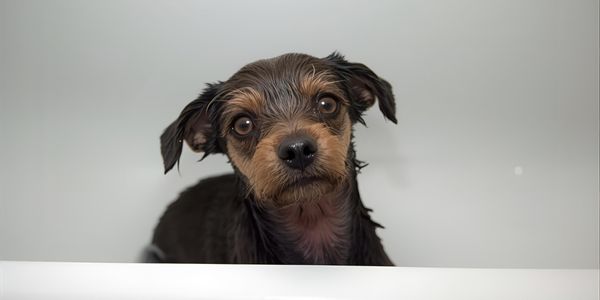
1. Brushing Comes First
Do not, I repeat, do not, wet a matted dog.
Water tightens mats.
It turns them into felt.
You will have to shave them out if you wash them first.
Brush the dog thoroughly before a single drop of water hits them.
2. The Shampoo Matters
Throw away your Pantene.
Do not use baby shampoo (it's too acidic).
Buy a shampoo specifically formulated for dogs.
Look for "soap-free" or "oatmeal-based" if they have sensitive skin.
Dilute it.
Most dog shampoos are concentrated.
Mix it with water in a separate bottle before pouring it on the dog.
It spreads easier and rinses out faster.
Check our 5 Best Dog Shampoos for Sensitive Skin article
3. The Ears and Eyes
Keep soap out of the eyes.
Keep water out of the ears.
Water in the ear canal is a one-way ticket to a yeast infection.
Use a cotton ball inside the ear (gently) to block water, or just be careful with the spray nozzle.
Wash the face with a cloth, not the showerhead.
4. The Rinse
You think you're done rinsing?
Rinse again.
Leftover soap residue is a major cause of skin irritation.
If you see bubbles in the runoff water, keep going.
This is tedious, but necessary.
5. The Drying Process
If you have a double-coated dog, towel drying isn't enough.
A damp undercoat is a breeding ground for fungus.
It causes "hot spots."
You need to get them dry all the way to the skin.
Use a hair dryer on the cool setting.
High heat will burn their skin.
Keep the dryer moving.
RELATED: 15 Essential Grooming tools every dog owner needs
Conclusion: Use Common Sense
There is no magic number.
Stop looking for a calendar invite.
Look at your dog.
Smell your dog.
Touch your dog.
If they are dirty, wash them.
If they aren't, put the shampoo away.
Nature designed them to be self-cleaning to a degree.
Interfere only when necessary.
Your dog will thank you for it, mostly by not smelling like "Ocean Breeze" and simply smelling like a dog.
🐾 Frequently Asked Questions
Q Can I use human shampoo on my dog if I run out?
No. Put the bottle down. Human skin is acidic; dog skin is neutral. Using your shampoo destroys their acid mantle, leaving them open to bacteria, parasites, and dry, flaky skin. If you're desperate and they rolled in poop, plain water or a tiny bit of Dawn dish soap (one time only) is safer than your expensive salon shampoo.
Q My dog hates baths. Do I really have to do it?
Unless they have a medical skin condition or they physically stink, you can skip the full bath often. Use grooming wipes for muddy paws or "waterless shampoo" foam for a quick refresh. But eventually, yes, you have to do it. Work on desensitizing them with treats, or pay a professional groomer to be the bad guy.
Q Is it okay to bathe a dog once a week?
For most dogs? Absolutely not. That's overkill and will strip their natural oils. The only exceptions are dogs with specific hair types (like Poodles) or dogs with medical conditions prescribed weekly baths by a vet. For your average Lab or mix, weekly bathing is a recipe for itchiness.
Q How do I bathe a dog with a double coat?
With great patience. The water has to penetrate the thick topcoat to clean the skin, which takes time. The rinsing takes twice as long because soap gets trapped in the undercoat. And you must dry them completely, a damp undercoat leads to hot spots (acute moist dermatitis) which are painful and gross.
Q Why does my dog smell worse after a bath?
That's usually "wet dog smell," caused by bacteria and yeast on the skin releasing compounds as the water evaporates. It should fade as they dry. If the smell persists after they are fully dry, you either didn't rinse the soap out properly, or they have a skin infection (yeast or bacterial) that needs a vet, not a bath.

📖 Related Articles
Training deaf dogs with hand signals: A Real-World Guide

Why Do Dogs Chase Their Tails? The Thin Line Between Play and Pathology
💬 Comments (0)
No comments yet. Be the first to share your thoughts! 👇
✍️ Leave a Reply