12 Positive Reinforcement Techniques for Dogs That Work
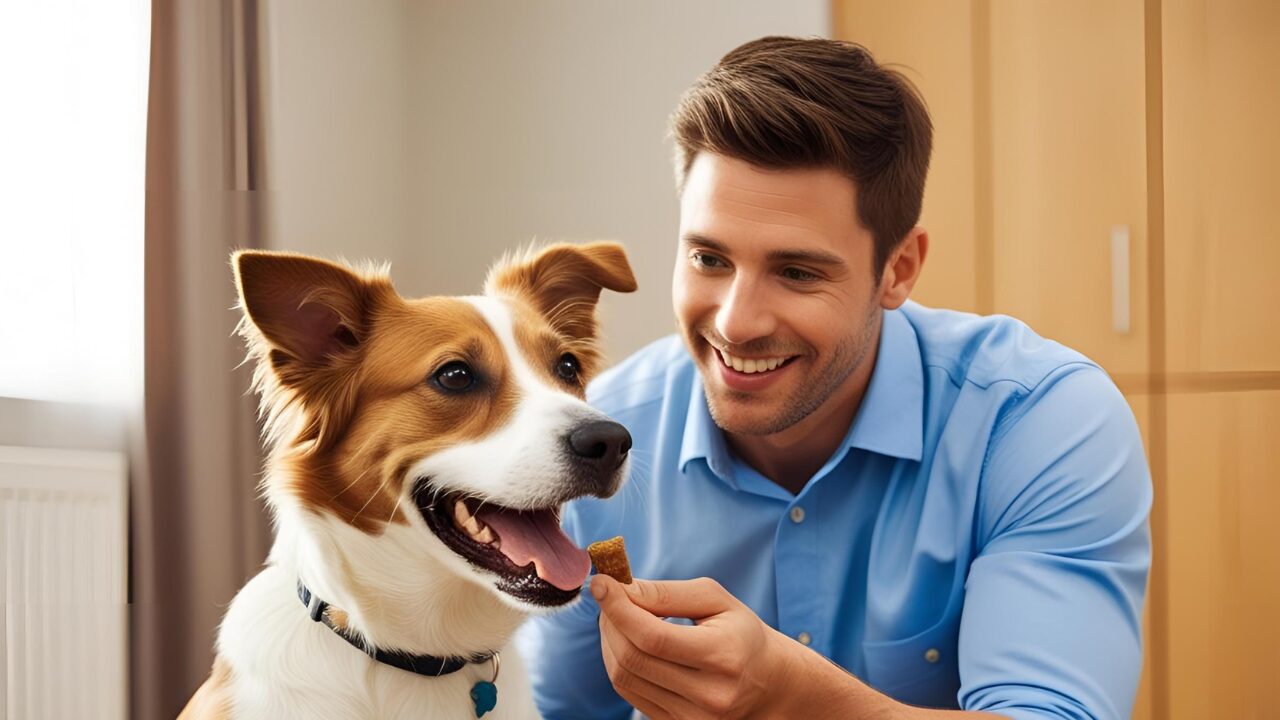
Quick Answer: Positive reinforcement trains dogs by rewarding desired behaviors (treats, praise, play) instead of punishing unwanted ones. This science-backed method works faster than punishment-based training, builds trust, and creates dogs who actually want to cooperate. Key techniques include food rewards, clicker training, verbal markers, and shaping behaviors through small steps.
Let's get one thing straight: yelling at your dog, yanking their collar, or rubbing their nose in pee doesn't work.
It just creates a scared, confused dog who has no idea what you actually want from them.
Positive reinforcement is the opposite approach, you reward what you like, and behaviors you reward get repeated. It's not rocket science, but it does require some patience and consistency.
The good news? Dogs trained with rewards learn faster, remember longer, and don't develop the neurotic behaviors that come from fear-based training.
In this guide, I'll walk you through 12 positive reinforcement techniques that actually work, no fluff, no BS, just practical methods backed by behavioral science.
What Positive Reinforcement Actually Means
Positive reinforcement means adding something your dog values immediately after they do what you want. That "something" can be food, praise, play, whatever floats their boat.
The word "positive" here doesn't mean "good", it means "added." You're adding a reward, which makes the behavior more likely to happen again.
This isn't touchy-feely nonsense. The Australian Veterinary Association straight-up says that positive reinforcement reduces behavior problems, changes difficult behaviors, and causes less stress than punishment methods.
Translation: it works better, faster, and doesn't traumatize your dog in the process.
Why This Method Actually Works
Dogs repeat behaviors that lead to good outcomes. When your dog sits and gets a treat, their brain connects "sit" with "treat."
Do this enough times and the behavior becomes automatic.
Unlike punishment (which teaches your dog what NOT to do), positive reinforcement teaches them what TO do. Big difference.
Plus, you're not destroying the trust between you and your dog. They're not working with you because they're afraid, they're working with you because it pays off.
Why You Should Give a Damn About This
Positive reinforcement training offers benefits that go way beyond "my dog sits when I tell them to."
- Builds actual confidence - Dogs trained with rewards become more self-assured. They're not walking on eggshells wondering when you'll yell at them next.
- Strengthens your relationship - Your dog starts associating you with good things instead of scary unpredictable corrections. This creates a dog who actually wants to cooperate.
- Makes dogs eager to learn - When training = fun and rewards, dogs get excited about learning sessions. They're not just tolerating training, they're into it.
- Reduces behavior problems - Research shows positive reinforcement correlates with fewer behavior issues overall and can modify difficult behaviors more effectively than punishment.
- Improves quality of life - Dogs trained this way get mental stimulation, more social interaction, and generally enjoy life more.
Quick Comparison: Which Technique Works Best?
| Technique | Best For | Difficulty | Equipment Needed |
|---|---|---|---|
| Food Treats | Food-motivated dogs, basic commands | Easy | Small treats |
| Verbal Praise | All dogs, marking exact behaviors | Easy | None |
| Physical Affection | Dogs who love petting | Easy | None |
| Toy Rewards | High-drive dogs, play-motivated dogs | Easy-Moderate | Favorite toys |
| Lure-Reward | Teaching new positions quickly | Easy | Treats |
| Clicker Training | Precise timing, complex behaviors | Moderate | Clicker, treats |
| Shaping | Complex behaviors, gradual learning | Moderate-Hard | Treats, patience |
| Wait and Reward | Hyperactive dogs, natural behaviors | Moderate | Treats, timing |
| Physical Prompting | Teaching positions, exam prep | Moderate | Gentle hands |
| Autoshaping | Environmental learning, independence | Easy | Setup only |
| Classical Conditioning | Changing emotional responses | Moderate | Varies |
| Environmental Rewards | Real-world situations, life rewards | Easy | Access to activities |
12 Positive Reinforcement Techniques That Actually Work
1. Food Treats as Rewards
Food treats are the bread and butter of dog training (pun intended). Most dogs are food-motivated enough that treats work like magic.
Here's how to not screw this up:
- Use small, soft treats your dog can swallow quickly, you don't want them chewing for 30 seconds while forgetting what they did to earn it
- Choose treats your dog actually gets excited about (not boring kibble unless your dog is weird)
- Keep variety handy so they don't get bored with the same thing
- Make treats pea-sized or smaller, you'll go through a lot of them
- Pair treats with verbal praise like "yes" or "good dog"
The timing matters more than the treat quality. Reward within 2 seconds of the behavior or your dog won't make the connection.
2. Verbal Praise and Markers
Verbal markers are words like "yes" or "good" that tell your dog the exact moment they got it right.
This bridges the gap between behavior and physical reward.
How to use markers effectively:
- Pick one word and stick with it, don't use "yes" one day and "good boy" the next
- Sound enthusiastic (your dog can tell if you're phoning it in)
- Mark the INSTANT the behavior happens
- Follow the marker with a treat at first, then gradually reduce treat frequency
Eventually, the marker word itself becomes rewarding because your dog associates it with good things.
3. Physical Affection and Petting
Some dogs value petting and scratches as much as treats. If your dog melts when you scratch behind their ears, use that.
Not all dogs are into physical affection though, so pay attention to what your dog actually likes.
If your dog stiffens up, leans away, or avoids touch, physical affection isn't their thing. Don't force it.
4. Toy Rewards and Play
For dogs with high play drive, access to a favorite toy or a quick game can be way more motivating than food.
This works especially well for working breeds, sporting dogs, and terriers who'd rather play tug than eat.
A quick game of fetch or tug after they nail a command reinforces the behavior while burning off energy. Win-win.
5. Lure-Reward Training
Lure-reward training uses a treat to guide your dog into the position you want, then you reward them for following the lure.
This is hands-down the fastest way to teach basic positions.
Example: Teaching "sit"
- Hold a treat right above your dog's nose
- Slowly move it back over their head
- Their butt will naturally hit the ground as their head tilts up
- The second their butt touches down, mark it and give the treat
Eventually you'll fade the lure so you're just using a hand signal, then fade that to just a verbal cue.
6. Clicker Training
Clicker training uses a small device that makes a distinctive "click" sound to mark the exact moment your dog does something right.
The click is followed by a treat, and eventually the click itself becomes rewarding.
The advantage? Clickers are faster and more consistent than saying "yes", the sound is always identical, and it happens instantly.
Useful for precise timing and teaching complex behaviors where you need to mark tiny incremental improvements.
7. Shaping Behaviors
Shaping means rewarding small steps toward the final behavior instead of waiting for the complete behavior to magically appear.
Example: Teaching "down"
- First reward for lowering their head
- Then reward for lowering their shoulders
- Then reward for bending front legs
- Finally reward for the complete down position
This technique is essential for complex behaviors that dogs wouldn't naturally offer in one complete motion.
It requires patience, but it works for behaviors that seem "impossible" with other methods.
8. Wait and Reward Training
Wait and reward (also called "capturing") means watching for your dog to naturally offer a behavior you like, then immediately rewarding it.
This works great for hyperactive dogs or behaviors that are hard to lure.
Example: Teaching "settle"
- Wait for your dog to naturally lie down calmly
- The instant they do, mark and reward
- Do this consistently and they'll start offering calm behavior more often
You're not asking for the behavior, you're just rewarding it when it happens naturally.
9. Physical Prompting
Physical prompting uses gentle guidance to help your dog understand what you want. Think of it as helpful nudging, not forcing.
How to do this without being a jerk:
- Be gentle, this isn't about manhandling your dog
- Use the minimum guidance necessary
- Reward immediately when they hold the position
- Fade the physical prompt as quickly as possible
This works well for teaching positions like "stand-stay" or preparing dogs for vet exams where they need to tolerate handling.
10. Autoshaping
Autoshaping lets dogs figure things out on their own through environmental setup. You create a situation where the desired behavior naturally happens.
Example: Teaching puppies to settle by only feeding them from puzzle toys or Kongs can reduce hyperactive behavior and barking by 90% in a couple days.
The dog discovers the behavior on their own, which makes it stick better than if you force-taught it.
11. Classical Conditioning
Classical conditioning pairs a neutral thing with something your dog already loves, changing their emotional response to the neutral thing.
This isn't technically operant conditioning, but it's incredibly useful for changing how dogs feel about things.
Example: Pairing the sound of a clicker with treats makes the click itself rewarding. Or pairing the doorbell with treats can reduce door-charging behavior.
You're not teaching a behavior, you're changing an emotional response.
12. Environmental Rewards
Environmental rewards use access to things your dog already wants as reinforcement. These are sometimes called "life rewards."
Examples:
- Going for a walk (reward for sitting calmly while you put their leash on)
- Sniffing interesting spots (reward for walking nicely without pulling)
- Going outside (reward for sitting at the door instead of charging through)
- Access to play areas (reward for recall)
These rewards are powerful because they're things your dog wants anyway. You're just making them contingent on good behavior.
How to Actually Make This Work
Knowing the techniques is one thing. Using them correctly is another.
Timing and Consistency (AKA Don't Screw This Up)
Timing is everything. Reward within 2 seconds of the behavior or your dog won't connect the dots.

If you ask for "sit," your dog sits, then stands back up, and THEN you give the treat, you just rewarded standing, not sitting.
Consistency matters just as much. Everyone in your household needs to use the same cues and rules, or you're just confusing your dog.
Post a list of training cues somewhere visible so everyone's on the same page.
Use Rewards Your Dog Actually Cares About
Not all rewards are created equal. What motivates one dog might bore another to tears.
Experiment with different treats, toys, and types of praise to figure out what gets your specific dog excited.
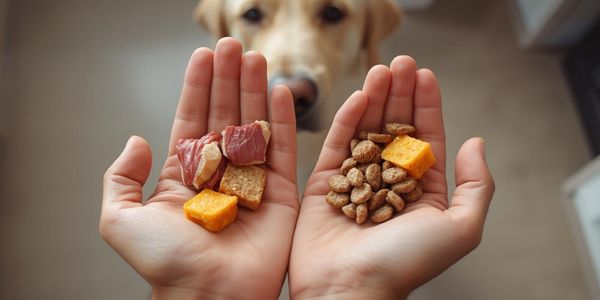
For challenging behaviors or distracting environments, you'll need higher-value rewards than for easy stuff in your quiet living room.
Related: Complete Healthy Pet Treats Guide
From Constant Rewards to Intermittent Rewards
When your dog is learning something new, reward every single time they get it right (continuous reinforcement).
Once they've got it down solid, start transitioning to intermittent reinforcement:
- Reward 4 out of 5 times
- Drop to 3 out of 5
- Eventually reward randomly
- Keep praising every time (just not always with treats)
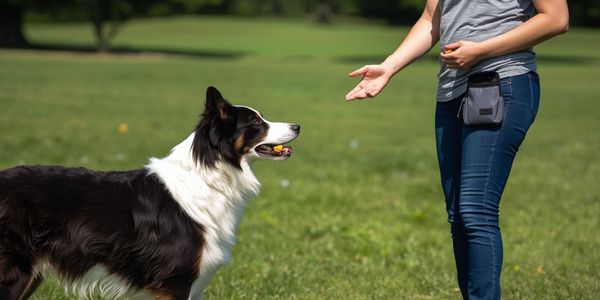
Vary the schedule so your dog can't predict when treats are coming. This actually makes the behavior stronger because unpredictability is more motivating than predictable rewards.
Common Problems and How to Fix Them
Problem: Dog doesn't care about rewards
Try different types of rewards or train when they're a bit hungry. Keep sessions short, 5 minutes max for puppies, 10-15 for adults.
Problem: Dog only performs for treats
You're probably stuck on continuous reinforcement. Start varying rewards (praise, play, petting) and reduce treat frequency gradually.
Problem: Progress is painfully slow
Break the behavior into smaller steps. You might be asking for too much too fast. Reward tiny improvements.
Problem: Dog gets frustrated and quits
Go back to an easier version where they can succeed. Build confidence before increasing difficulty.
Problem: Works at home, fails in public
Add distractions gradually. Don't go from your quiet living room straight to a dog park. Build up slowly with higher-value rewards for harder environments.
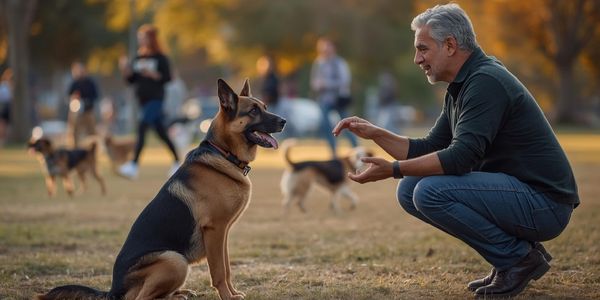
Remember: changing behavior requires understanding, consistency, repetition, and patience. There's no shortcut.
Final Thoughts
Positive reinforcement isn't some hippie nonsense, it's science-backed, effective, and creates dogs who are confident and eager to work with you.
Punishment-based training might get faster initial results, but it damages your relationship and often creates new problems (fear, anxiety, aggression).
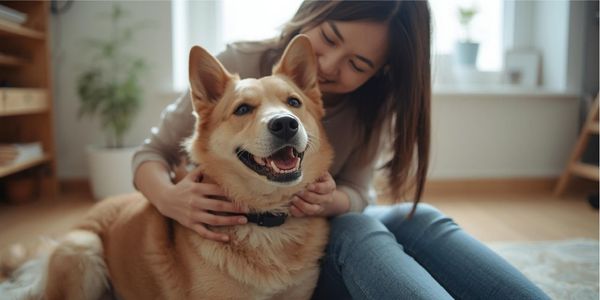
These 12 techniques give you a complete toolkit for teaching your dog basically anything. Mix and match based on your dog's personality and what you're trying to teach.
The key is consistency, timing, and actually giving a damn about what motivates your specific dog.
Start with easy stuff (like "sit" with lure-reward), build your timing skills, then move on to more complex behaviors as you both get better at this.
Your dog's not trying to be difficult. They just don't understand what you want yet. Make it clear, make it rewarding, and they'll figure it out.
Related Articles:
Resource:
🐾 Frequently Asked Questions
Q How long does positive reinforcement training actually take?
Depends on what you're teaching and how consistent you are. Basic stuff like "sit" might click in a few sessions. Complex behaviors or fixing ingrained bad habits? Weeks or months. There's no magic timeline, and anyone promising "train your dog in 7 days" is full of shit. Put in consistent 5-10 minute sessions daily and you'll see results. Skip days or be inconsistent, and you'll be frustrated wondering why nothing's working.
Q Will I have to bribe my dog with treats forever?
No, unless you want to keep rewarding every single behavior for the rest of your dog's life (which would be exhausting). You start with treats for every correct response, then gradually thin them out to random rewards once the behavior is solid. Eventually, many behaviors become habits your dog does automatically. You'll still reward occasionally to keep things fresh, but it won't be every single time.
Q Can positive reinforcement fix serious behavior problems like aggression?
It can help with many behavior issues, but serious aggression needs professional intervention, not YouTube videos and blog articles. Positive reinforcement can teach incompatible behaviors (like "sit calmly" instead of "jump on guests"), but if your dog is actually dangerous, hire a qualified behaviorist. Don't mess around with aggression hoping treats will magically fix it.
Q Does positive reinforcement work for stubborn or dominant dogs?
First, "dominance" in dogs is largely a myth, so let's kill that idea. Second, yeah, it works for all dogs, stubborn ones just need higher-value rewards and more patience. If your dog seems "stubborn," you probably haven't found what actually motivates them, or you're asking for too much too fast. Find better rewards, break behaviors into smaller steps, and be more consistent. The method works; the execution might need adjusting.
Q How do I know if I'm doing positive reinforcement correctly?
Simple: is the behavior you're rewarding happening more often? If your dog is sitting more reliably, coming when called more consistently, or whatever you're working on is improving, you're doing it right. If nothing's changing or behaviors are getting worse, your timing is off, your rewards aren't motivating enough, or you're not being consistent. Track your progress. If you're seeing improvement over time, keep doing what you're doing.

📖 Related Articles
Training deaf dogs with hand signals: A Real-World Guide

Why Do Dogs Chase Their Tails? The Thin Line Between Play and Pathology
💬 Comments (0)
No comments yet. Be the first to share your thoughts! 👇
✍️ Leave a Reply