10 Reasons Why You Should Adopt a Senior Cat
Heads up: This post contains affiliate links. If you buy something through them, I earn a small commission at no extra cost to you. It keeps the lights on and the kibble bowl full. Read the full boring legal stuff here.

Most people walk into an animal shelter looking for a cartoon character, not an animal. They want the bouncy, wide-eyed kitten from the commercials, completely ignoring the ten-pound reality sitting quietly in the corner cage. This is usually a massive, expensive mistake.
If you want a pet that won't destroy your life before it enhances it, you need to look at the reasons why you should adopt a senior cat. I’ve fostered enough kittens to know that their cute phase lasts about three weeks, while their "destroying your curtains" phase lasts two years.
I’m not here to sell you a fairytale about saving a life, though that happens by accident. I’m here to tell you how to acquire a roommate that already knows how to use a toilet and sleeps as much as you do. Here is the practical, cynical guide to adopting a senior cat in 2026.
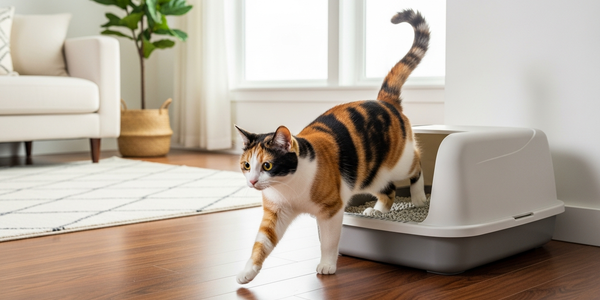
The Senior Advantage: Why "Used" Cats Are Better
The obsession with kittens is a marketing triumph over common sense. People see a ball of fluff and forget they are inviting a tiny apex predator with zero impulse control into their home. Kittens are unfinished software; senior cats are the stable release.
The Personality Gamble
When you adopt a kitten, you are buying a lottery ticket. You might get a cuddler, or you might get an aloof decorative pillow that bites your ankles at 3 AM. There is absolutely no way to know until they hit maturity.
With a senior cat, what you see is exactly what you get. If a seven-year-old cat climbs into your lap at the shelter, that is a lap cat. If they ignore you, they are independent.
You aren’t guessing about their temperament. The shelter staff knows exactly who these cats are because they’ve stopped changing. This eliminates the "buyer's remorse" that plagues so many new pet owners.
The Energy Mismatch
Modern life is exhausting. You work long hours, you have social obligations, and you barely have time to keep your apartment clean. The last thing you need is a pet that requires four hours of interactive play daily.
Kittens operate on a binary switch: unconscious or hypersonic destruction. They do not care that you have a Zoom meeting or a headache. They will climb your pant leg while you are cooking.
Senior cats match the energy of a working adult. They want breakfast, a sunbeam, and a warm lap in the evening. They fit into your life rather than demanding you rearrange it around them.
The Shelter Reality
Let’s look at the grim math of animal control. Kittens fly off the shelves. Senior cats are the first to be euthanized when space runs out.
Shelters are stressful, loud, and terrifying for an animal used to a quiet home. Many seniors shut down, making them look "unadoptable" to the average person walking by.
By taking one home, you aren't just getting a pet; you are gaming the system. You are getting a high-quality animal for a discount price simply because it has a few miles on the odometer.
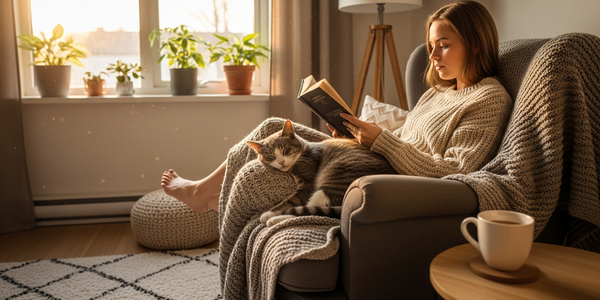
10 Reasons Why You Should Adopt a Senior Cat
If you need a concrete list to convince a spouse or roommate, here it is. These are the practical reasons why you should adopt a senior cat over a kitten.
1. Immediate House Training
They already know how to use the box. I cannot stress this enough. A kitten will mistake your laundry basket for a bathroom; a senior cat considers that behavior beneath them.
2. Furniture Preservation
Senior cats have usually outgrown the urge to sharpen their claws on your vintage armchair. They scratch to stretch, not to destroy. Your security deposit is significantly safer with an older animal.
3. The Sleep Schedule
Kittens are nocturnal terrors. Senior cats have adjusted to human circadian rhythms. They sleep when you sleep, usually right on top of your feet.
4. No "Teething" Phase
You don't have to worry about electrical cords being chewed through. Older cats have permanent teeth and zero interest in gnawing on your iPhone charger. This saves you money on tech replacement and emergency vet visits.
5. Perfect for Apartments
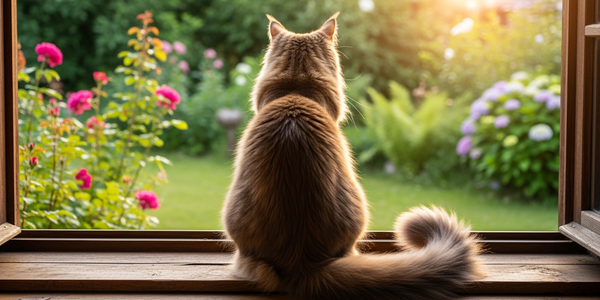
They don't need a sprawling backyard or three hallways to sprint down. A senior cat is perfectly content observing the world from a single window. They are the ideal roommates for small-space living.
6. Known Medical History
With a kitten, genetic defects are a hidden time bomb. With a senior, you generally know their weak spots immediately. It’s better to manage a known issue than be blindsided by a mystery.
7. Independence
You can go to work without worrying. They don't suffer from the frantic separation anxiety that younger animals often display. They are confident enough to be alone for eight hours.
8. Size Certainty
You know exactly how big they are going to get. There are no surprise growth spurts. You can buy the right carrier and bed immediately without guessing.
9. Gratitude
This sounds sentimental, but it’s real. Animals know when they’ve been rescued from a cage. The bond with a senior cat is often deeper and more immediate than with a distracted kitten.
10. Lower Adoption Fees
Shelters are desperate to move seniors. They often waive fees or include full vet workups for free. You get a fully vaccinated, fixed animal for next to nothing.
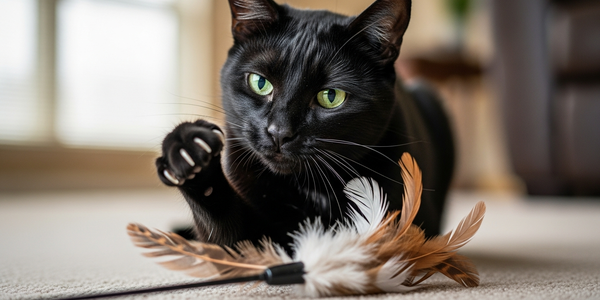
How to Set Up a Home for a Senior Cat
So you’ve decided to be smart and get an older cat. Don’t just throw them in the living room and hope for the best. Geriatric cats have specific mechanical needs that you must address to avoid expensive vet visits later.
Disclaimer
I am a writer, not a veterinarian. The advice below is based on years of managing arthritic, grumpy cats. Always consult a professional for medical issues.
Step 1: The Heat Strategy
Old cats run cold. Their circulation isn't what it used to be, and cold joints hurt. If you want a happy cat, you need to provide artificial heat sources.
Don't rely on your central heating. You need a targeted solution like the K&H Pet Products Thermo-Kitty Mat ↗. This thing is a magnet for old bones because it warms to their body temperature only when they lie on it.
Cost: Approx $20-$30.
Timeline: Day 1 setup.
Why: It keeps them out of your bed if you want space, and soothes arthritis without medication.
Step 2: Accessibility and Mobility
Your bed is likely too high for a 12-year-old cat to jump onto without wincing. If they stop sleeping with you, it’s not because they hate you; it’s because it hurts to get there. You need to build them a ramp or stairs.
I use the Pet Gear Easy Step Bed Stair ↗. It snaps together in minutes and gives them a dignified way to reach their favorite spots. It prevents the "hard landing" impact that destroys shoulder joints over time.
Cost: Approx $150.
Action: Place these near the sofa or bed. Watch them figure it out in an hour.
Step 3: The Dining Mechanics
Old cats often vomit. It’s not always sickness; sometimes it’s gravity. Their esophagus weakens, and eating off the floor forces them to swallow "uphill."
Elevate their food. The Necoichi Raised Cat Food Bowl ↗ is designed specifically for this. It keeps their spine aligned and lets gravity do the work, drastically reducing the "scarf and barf" incidents on your carpet.
Cost: Approx $20.
Benefit: Less carpet cleaning for you, better digestion for them.
Step 4: Scratching Logistics
They still need to scratch, but vertical posts might be hard on their back legs. They prefer horizontal surfaces or slight inclines. If you don't provide one, your rug becomes the target.
Get something durable like the PetFusion Ultimate Cat Scratcher Lounge ↗. It doubles as a bed, which is the only multitasking a cat will ever do. It’s expensive cardboard, but it outlasts the cheap stuff by months.
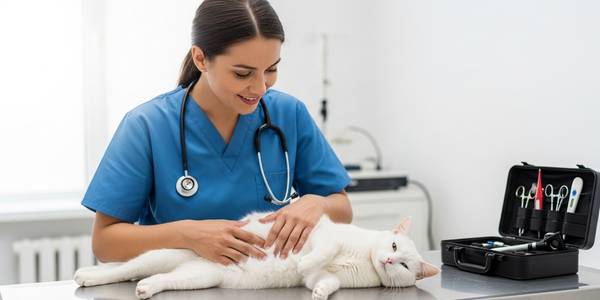
Maintenance: Keeping the Engine Running
You aren't dealing with a fresh engine here. You're maintaining a classic car. Preventative maintenance is cheaper than emergency repairs, every single time.
Grooming is Non-Negotiable
Senior cats lose flexibility. They eventually cannot reach the middle of their back or the base of their tail. If you don't brush them, they will develop mats that pull on their paper-thin skin.
Matting leads to infection and misery. You need a tool that works gently. The Hertzko Self Cleaning Slicker Brush ↗ is the industry standard for a reason.
Spend five minutes, three times a week brushing them. It bonds you to the cat and prevents a $200 "sanitary shave" at the vet later.
The Kidney Watch
Kidney disease is what takes out most domestic cats. By the time they look sick, it’s often too late. Water intake is your primary weapon against this.
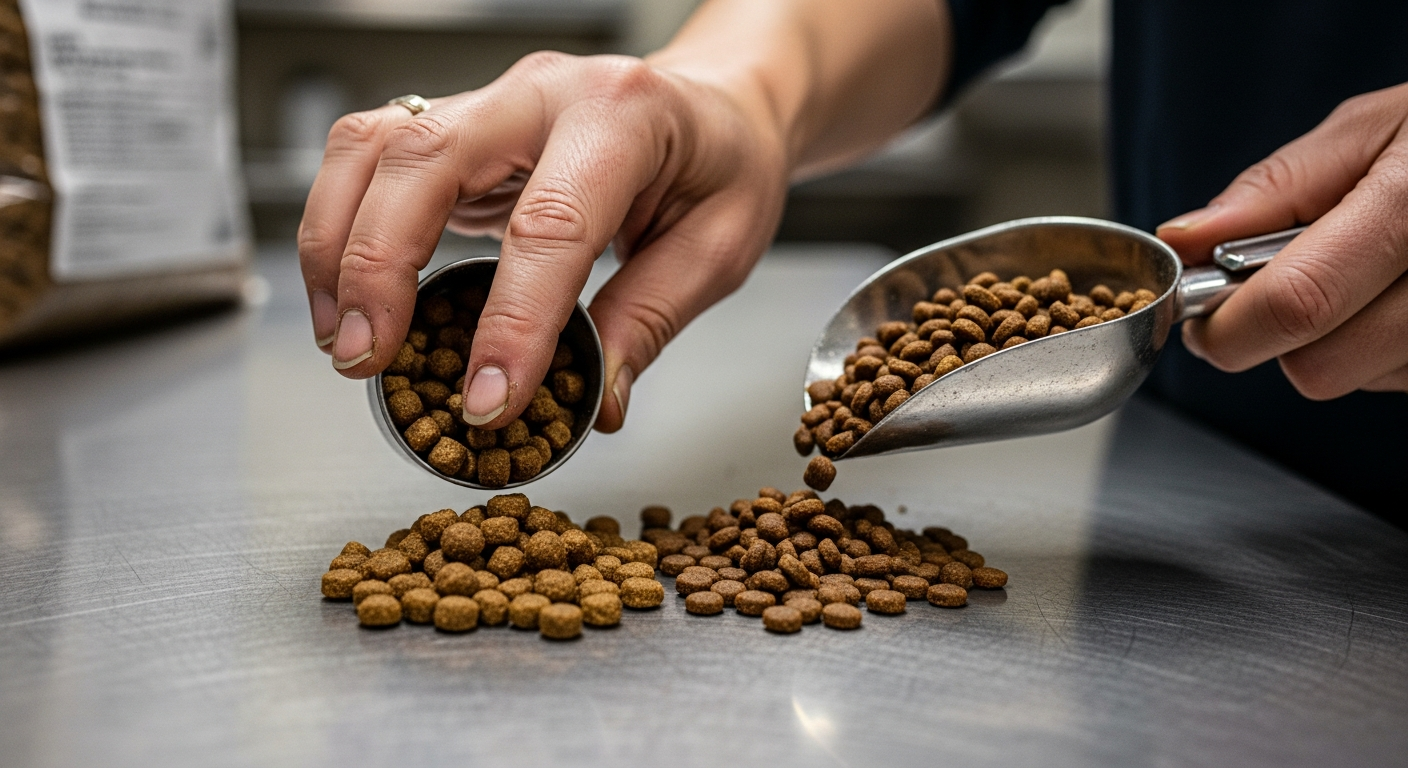
Switch to wet food immediately. Dry kibble is dehydrating. If they are addicted to crunch, add water to it.
Cost expectation: Quality wet food costs about $1.50 per day. Kidney failure treatment costs thousands. Do the math.
RELATED: Check our How to care for a senior cat with kidney disease article.
The Dental Tax
Old cats have bad teeth. It’s a fact of life. Bacteria from rotting teeth enters the bloodstream and damages the heart and kidneys.
Look in their mouth. If their breath smells like death, you need a dental cleaning. It’s expensive ($400-$800), but it buys them years of life.
Common Mistakes New Owners Make
Even well-intentioned people screw this up. I’ve seen adoptions fail because the owner tried to treat a 15-year-old cat like a puppy. Avoid these traps.
1. Ignoring the "Settling In" Period
The Mistake: Giving the cat run of the whole house on day one. They will hide under a bed and stay there for a week.
The Fix: Confine them to one room with their food, water, and litter for the first 48 hours. Let them map the smells of the house from a safe bunker before exploring.
2. Buying High-Sided Litter Boxes
The Mistake: Buying a sleek, top-entry litter box to hide the mess. An arthritic cat physically cannot jump into a hole to pee.
The Fix: Get a low-entry open box. If they start peeing next to the box, it’s almost always because the box is too hard to enter.
3. Changing Food Too Fast
The Mistake: Switching their diet abruptly to "premium" food. Old digestion systems are fragile.
The Fix: Mix the new food with the shelter food over a period of two weeks. If you rush this, you will be cleaning diarrhea off your walls.
4. Misinterpreting Pain as Grumpiness
The Mistake: Assuming the cat is "just mean" when they swat at you for touching their hips. That isn't attitude; that is arthritis.
The Fix: Get a vet check for joint pain. A simple Solensia shot or supplement can turn a "grumpy" cat into a cuddle bug.
Quick Reference: Senior Cat Starter Pack
The Essentials Checklist:
- Bedding: Heated mat (K&H Thermo-Kitty Mat).
- Mobility: Stairs for bed/couch access (Pet Gear).
- Food: Wet food diet + Raised bowl (Necoichi).
- Grooming: Slicker brush for daily maintenance (Hertzko).
- Litter: Large, low-sided box + unscented litter.
- Vet: Senior blood panel (kidney/thyroid focus).
RELATED: Check our How to adopt a rescue cat guide.
Adopting a senior cat is the smartest move you can make if you value your time and your furniture. You skip the chaos of kittenhood and go straight to the companionship.
Stop looking for the perfect Instagram kitten and go find the old guy sleeping in the back of the shelter. Buy the heated mat, set up the stairs, and enjoy a roommate that actually appreciates the quiet. It’s not charity; it’s just a better way to live.
🐾 Frequently Asked Questions
Q Are senior cats expensive to care for compared to kittens?
While adoption fees are often lower for senior cats, medical costs can be higher due to age-related conditions. However, you save money on initial vaccinations, spaying/neutering, and destructive kitten behavior damages.
Q How long do adopted senior cats usually live?
This depends on the cat's current age and health, but many indoor cats live into their late teens or early 20s. Adopting a 10-year-old cat could mean 5 to 10 more years of companionship.
Q Do senior cats get along with other pets?
Often, yes. Senior cats are typically less energetic and less likely to harass other pets. Shelters can usually tell you if a specific senior cat has a history of living well with dogs or other cats.
Q Is it hard to bond with an older cat?
Not at all. Senior cats are often incredibly grateful for a warm home and bond deeply with their new owners. They may take a few days to decompress, but their loyalty is unmatched.
Q What are the most common reasons why you should adopt a senior cat?
The top reasons include their calm temperament, the fact that they are already house-trained, their established personalities (what you see is what you get), and the altruistic joy of saving a harder-to-adopt pet.

📖 Related Articles

The truth about Whisker Fatigue: Myths, Facts & Solutions
💬 Comments (0)
No comments yet. Be the first to share your thoughts! 👇
✍️ Leave a Reply