Other Pets
UVB Lighting for Reptiles: How Much Your Species Needs
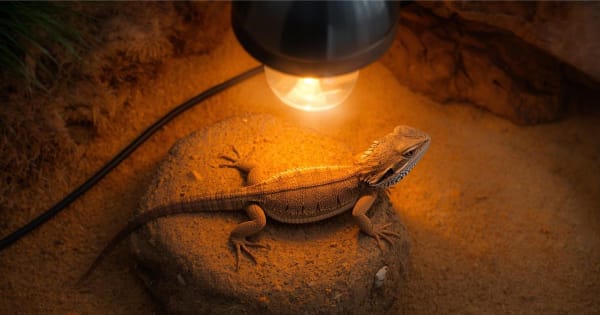
UVB lighting for reptiles: Ferguson zones and UV index by species, T8 vs T5 HO vs mercury vapor lamps, when to replace bulbs, and signs of bone disease.

Small and unusual pets are often sold as easy starter animals, yet many of them have needs that are more specific than those of a cat or dog. Reptiles depend on precise heat, light, and humidity.
Rabbits and guinea pigs are prey animals that hide illness and need company, space, and the right diet. This section covers care for these species in practical detail.
Reptile guides explain enclosure setup, heating and thermostats, UVB lighting, feeder insects, and the most common health problems, including metabolic bone disease, respiratory infections, impaction, and parasites. Species guides cover ball pythons, bearded dragons, leopard geckos, and crested geckos.
Small mammal guides explain the warning signs that mean a rabbit needs a vet, how to litter train a rabbit, and how to socialize guinea pigs. Because many general clinics have limited experience with these animals, a dedicated guide also explains how to find and choose a qualified exotic veterinarian.
UVB lighting for reptiles: Ferguson zones and UV index by species, T8 vs T5 HO vs mercury vapor lamps, when to replace bulbs, and signs of bone disease.
Halogen, ceramic heat emitter, heat mat or DHP? Compare reptile heat sources, see why every heater needs a thermostat, and build a safe heating plan.
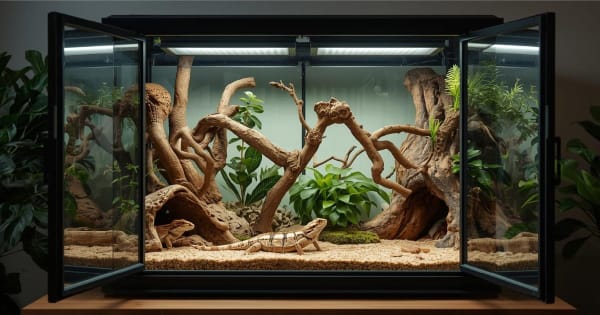
Glass or PVC, minimum sizes, heat and humidity zones, safe substrates and a full setup checklist to prepare the right enclosure before your reptile arrives.
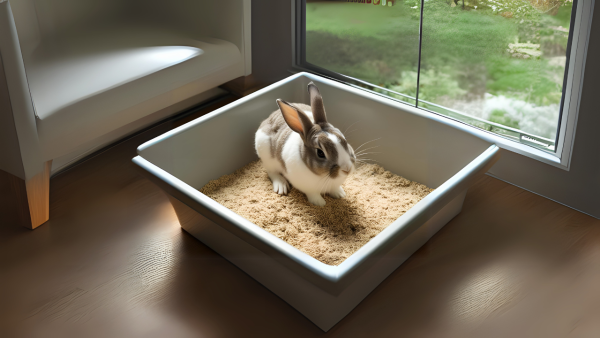
Rabbit litter training made simple: the right box and safe litter, where to place it, step by step training, and what to do when accidents happen.