
Litter Train Your Rabbit: The No-BS Guide to a Clean House
This post contains affiliate links. If you buy something through them, I earn a small commission at no extra cost to you. Details.
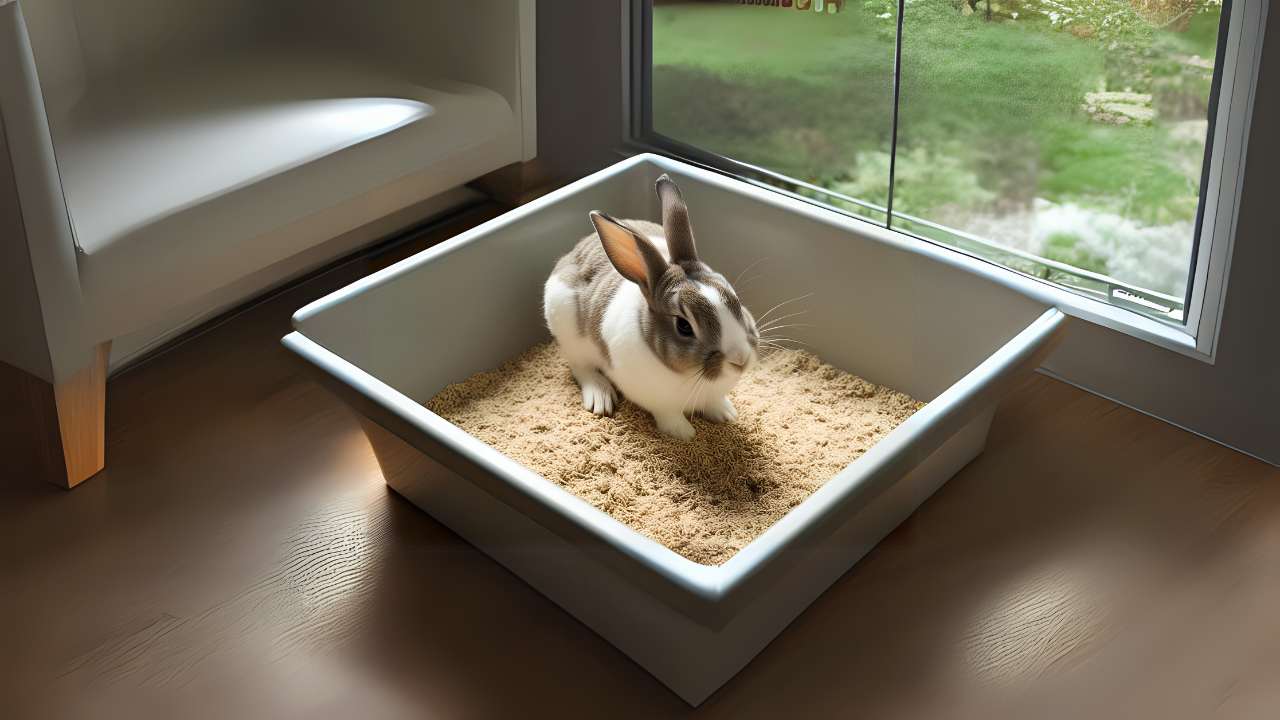
Understanding Rabbit Bathroom Habits
Rabbits have a reputation for leaving droppings everywhere, but their bathroom habits are far more organized than most new owners expect.
Rabbits are actually super clean animals by nature. They're not messy at all once you understand how they think about bathroom time.
During the first few days in a new home, many rabbits pee in one consistent corner while leaving a trail of droppings as they move around. Both behaviors are normal, and both are useful clues for training.
Natural Elimination Behaviors of Rabbits
Wild rabbits are pretty smart about where they do their business. They pick specific spots away from where they eat and sleep. Your pet bunny still has these instincts hardwired in their fuzzy little brain.
Most rabbits back into the same corner to urinate, again and again. That consistency is exactly what makes litter training possible.
In other words, your rabbit already wants a designated bathroom. Your job is to put the litter box where that bathroom already is.
Something kinda gross but totally normal: rabbits eat some of their own poop.
If you see your rabbit eating soft droppings, there is no need to panic. These special soft pellets, called cecotropes, are packed with nutrients the body didn't absorb the first time around. The regular hard pellets you see are the actual waste.
Nature is weird but efficient, right?
RELATED: 7 Signs Your Rabbit Needs a Vet Visit : Critical Emergency Warnings
Why Rabbits Make Great Candidates for Litter Training

Here's the awesome news. Rabbits WANT to be clean.
They're not trying to mess up your house on purpose. Most rabbits naturally prefer to pee in one spot, which makes them excellent candidates for litter training.
Many rabbits pick up litter habits within days. That doesn't make them smarter than cats, but their natural instincts make them surprisingly easy to train.
QUICK REFERENCE: RABBIT LITTER TRAINING
- Training Timeline: 2–8 weeks (varies by rabbit)
- Success Rate: High with consistency
- Initial Cost: $30–$50 for supplies
- Difficulty Level: Easy to Moderate
Key Supplies Summary:
- Large cat litter box (bigger is better)
- Wood stove pellets (safe & cheap)
- Fresh hay (critical encouragement)
- Enzymatic cleaner (for accidents)
Golden Rule:
Place the litter box in the exact corner where your rabbit naturally goes. Don’t force your rabbit to adapt to your preferred location, work with their instincts.
Benefits of Litter Training Your Rabbit
Litter training transforms daily life with a rabbit. Without it, cleaning is constant. With it, you can simply enjoy each other's company.
Cleanliness and Odor Control
Let's be real, rabbit pee STINKS. That ammonia smell can take over your whole house if you're not careful.
An untrained rabbit can leave a persistent odor that air fresheners can't mask, and owners often end up following their pet around with paper towels and a spray bottle.
Once a rabbit uses the litter box consistently, cleanup shrinks to scooping the box. The smell stays contained, and your home no longer smells like a hutch.
Freedom and Bonding Opportunities
The biggest benefit? Your rabbit gets freedom, and you get a companion.
Rabbits that aren't litter trained often spend most of their time in a cage simply because the mess is hard to manage, which limits their exercise and social contact.
Trained rabbits can roam safely, follow their owners from room to room, and relax nearby. That kind of trust is much harder to build with a rabbit confined to a cage all day.

Essential Supplies: The Deep Dive
Let's talk gear. The right supplies make training much easier, and the wrong ones waste money.
Choosing the Right Litter Box
Size matters. Tiny corner litter boxes sold for hamsters are a common mistake, because many rabbits can barely fit their front half inside.
What worked? A cat litter box.
A regular cat litter box with one side cut lower works well, so short legs can hop in easily. Your rabbit needs enough space to turn around completely and get comfortable.
Corner boxes work great too because rabbits naturally head to corners for bathroom time. Watch which corner your rabbit prefers and place the boxes there.
Our best Pick: RUBYHOME Litter Box
Selecting Safe and Effective Litter Material
This is SUPER important. Regular cat litter can KILL your rabbit if they eat it. And rabbits put everything in their mouths to check it out.
| Litter Type | Safety | Verdict |
| Wood Stove Pellets | Safe | Best Value. Cheap ($6 for 40lbs), absorbs odor, totally safe. |
| Paper-Based (Carefresh) | Safe | Good but pricey. Soft on paws, but costs add up. |
| Clay / Clumping Litter | DANGEROUS | Avoid. Causes fatal blockages if eaten. |
| Pine/Cedar Shavings | DANGEROUS | Avoid. The aromatic oils can cause liver damage. |
Paper bedding works well at the start, when accidents are common. Unscented wood pellets, the kind sold for pellet stoves, are a popular long-term choice. Adding a layer of fresh hay on top of the litter encourages rabbits to use the box, since many like to eat while they eliminate.
Our Best Pick: FreshNews Paper litter box
Additional Supplies You'll Need
Beyond the basics, these extras make training easier:
- A hay rack attached directly to the side of the litter box, so your rabbit can eat and use the box at the same time.
- Nature's Miracle cleaner for accidents. Regular cleaners don't break down the urine enzymes, so your rabbit can still smell their mark and will return to the scene of the crime. This stuff was liquid gold.
- Multiple boxes! Start with one, then add more as your rabbit's space grows. A box in the home base area plus one in each room where your rabbit spends time works well.
Step-by-Step Litter Box Training Process
Once you have your supplies, follow this step-by-step process.
1. Observe Bathroom Preferences
Start by watching your rabbit for a couple of days. It's not exciting, but it's crucial. Most rabbits pee in the same corner but drop pellets while hopping around or eating.
Keep track of timing too. Many rabbits are very predictable: within about 10 minutes of waking up, right after eating, and right before settling in for a nap.
Watch for the telltale signs your bunny needs to go:
- Circling and sniffing a spot intensely
- Backing up into a corner
- Raising their tail slightly
- That weird little hunched position
2. Strategic Placement
This is where most people go wrong. They put the box where they want it, not where the rabbit wants it. Place the first box exactly where your rabbit already pees.
Instant success!
Pro tip: During training, temporarily limit your rabbit's space to a smaller area with the litter box, bed, food and toys until the box is used consistently. Then gradually expand the territory.
3. Positive Reinforcement
Rabbits respond far better to rewards than to punishment. When your rabbit uses the box correctly, offer a tiny piece of a favorite treat and calm praise.

Never yell after an accident. Rabbits don't connect your anger to what they did earlier, they simply learn to fear you. Clean messes quietly with an enzymatic cleaner and place stray droppings in the litter box to help your rabbit make the connection.
Troubleshooting Common Litter Training Issues
Even with a perfect setup, you'll hit some bumps in the road. Here's how to handle the most common training hiccups.
Dealing with Accidents Outside the Box
A common one: a rabbit that was doing well suddenly starts peeing next to the box instead of in it.
The usual cause is a box that gets too dirty between cleanings. Rabbits are picky about cleanliness, so scooping more often typically solves the problem.
Accidents on beds or sofas are often linked to new smells. A change of laundry detergent, for example, can prompt a rabbit to mark over the unfamiliar scent. Washing with an unscented detergent usually stops it.
Addressing Territorial Marking
Spaying or neutering helps tremendously with marking behaviors. If your rabbit isn't fixed, talk to your vet first, because unneutered rabbits can be very difficult to fully litter train.
Even fixed rabbits mark sometimes, especially around new objects such as furniture, where they may leave a few territorial droppings to claim the space.
One simple trick: rub a clean cloth gently on your rabbit's forehead, where scent glands are located, then wipe it on the new item. Pre-marking it with their own scent often removes the urge to mark it themselves.
Maintaining Your Rabbit's Litter Box Routine
Once your rabbit is reliably trained, maintenance is straightforward. Consistency is the key.
Cleaning Schedule and Best Practices
A simple routine keeps your rabbit happy and your home fresh:
- Every morning, scoop out the wet spots and droppings from each box. It takes about two minutes per box.
- Twice a week, completely empty the boxes, wipe them down with a vinegar and water solution, dry them thoroughly, and add fresh litter. This deeper clean prevents odor buildup.
Refresh the hay on top daily. Many rabbits are picky about fresh hay, and stale hay can lead them to go next to the box instead.
Key Lessons for Long-Term Success
Rabbits are always trying to communicate. When litter habits change, there is almost always a reason: a dirty box, a poor location, feeling unsafe, or marking territory.
Treat accidents as communication rather than defiance. When a rabbit pees right next to a clean box, look for a physical reason first.
A frequent culprit is litter filled too high, spilling over the lowered entrance and making the box uncomfortable to enter. Small adjustments like this often solve problems that look like stubbornness.
Special Cases: Older Rabbits, Pairs, and Health Red Flags
Training an Older or Newly Adopted Rabbit
Adult rabbits can absolutely learn to use a litter box. Rescues and older rabbits sometimes take a little longer, especially if they spent years in a small hutch without a designated bathroom area. Start with a smaller space, watch where they choose to go, and place the box there. Patience matters more than age.
Litter Training Bonded Pairs
Bonded rabbits usually share litter boxes without any trouble, and many like to sit in the box together while eating hay. Give a pair at least one large box plus an extra box in their favorite corner. If two rabbits are still being introduced, expect some territorial droppings until the bond is settled.
When Litter Problems Point to a Health Issue
A sudden change in litter habits in a previously reliable rabbit is not always behavioral. Arthritis can make high box edges painful to climb, and urinary problems such as bladder sludge or infections can cause frequent accidents or urine scalding around the hindquarters. Watch for:
- Straining, blood in the urine, or very thick, chalky urine.
- Wet or stained fur around the back legs and tail.
- Fewer or smaller droppings, or no droppings at all for 12 hours or more.
- Reluctance to hop into the box, combined with stiffness or a hunched posture.
Any of these signs deserve a prompt visit to a vet experienced with rabbits. A drop in droppings in particular can signal gut slowdown, which is an emergency in rabbits.
Not every clinic treats rabbits. Here is how to find and choose an exotic veterinarian.
Conclusion
Litter training your rabbit isn't just possible, it's absolutely achievable with the right approach. By understanding your rabbit's natural bathroom behaviors and working with their instincts rather than against them, you can create a system that works for both of you.
The key ingredients to success are patience, consistency, and observation. Your rabbit is constantly communicating with you through their behavior, learning to read these signals makes all the difference in training success.
The real reward is the freedom it gives your bunny to become a true member of the family who doesn't smell like a barn. So grab a shovel, buy some bananas, and get to work.
You got this.
If you also keep guinea pigs, read our guide on how to socialize a guinea pig.
Resources & References
Frequently Asked Questions
Why is my rabbit eating his own poop? Should I stop him?
Let me stop you right there, do not stop him. Yes, it’s disgusting to watch. But those squishy little grape-cluster poops (called cecotropes) are basically a second-pass vitamin shake. He needs them to survive. It’s a biological requirement, not a weird hobby. Just look away and maybe don't let him lick your face for a few minutes.
My rabbit keeps peeing on my bed/couch. Is he mad at me?
No, he actually loves you too much. Soft surfaces smell like you, and he wants to mix his scent with yours to say, "We are family!" It’s a compliment that ruins your mattress. The fix? Ban him from the bed immediately. You have to earn trust back. If he pees there, he loses access. Period.
Can I just use clumping cat litter? It’s cheaper.
Absolutely not. Unless you want to pay for emergency surgery. Rabbits taste-test everything. If they eat clumping litter, it turns into cement in their stomach. It blocks their gut, and that kills rabbits fast. Stick to paper-based bedding or wood stove pellets. Don't be cheap with safety.
How often do I really need to clean the box?
Rabbits are divas. If that box smells bad, they will protest by peeing right next to it while making eye contact with you. Scoop the wet spots daily. Do a full dump-and-scrub every few days. If you can smell it, your rabbit smelled it three days ago and is judging you.
Why does he kick litter all over the floor?
Because he’s a digger and he’s having a great time making a mess for you to clean up. If he’s kicking litter out, your box is too shallow. Ditch the tiny "rabbit pans" sold at pet stores and get a high-sided cat litter box or a storage tote. Let him dig to China inside the walls of the box.

Related Articles

7 Ways to Socialize a Guinea Pig: The 2026 Guide
7 ways to socialize a guinea pig: neutral introductions, bonding services, dominance behavior, boar tips, cage space, food strategies and building trust.

7 signs your rabbit needs a vet visit: The 2026 Life-Saving Guide
Don't gamble with their health. Learn the 7 signs your rabbit needs a vet visit immediately. A critical guide for keeping your bunny safe in 2026.
Comments (0)
No comments yet. Be the first to share your thoughts!
Leave a Reply