How to find & choose an exotic veterinarian: 5 Deadly Mistakes Owners Make in 2026
Heads up: This post contains affiliate links. If you buy something through them, I earn a small commission at no extra cost to you. It keeps the lights on and the kibble bowl full. Read the full boring legal stuff here.
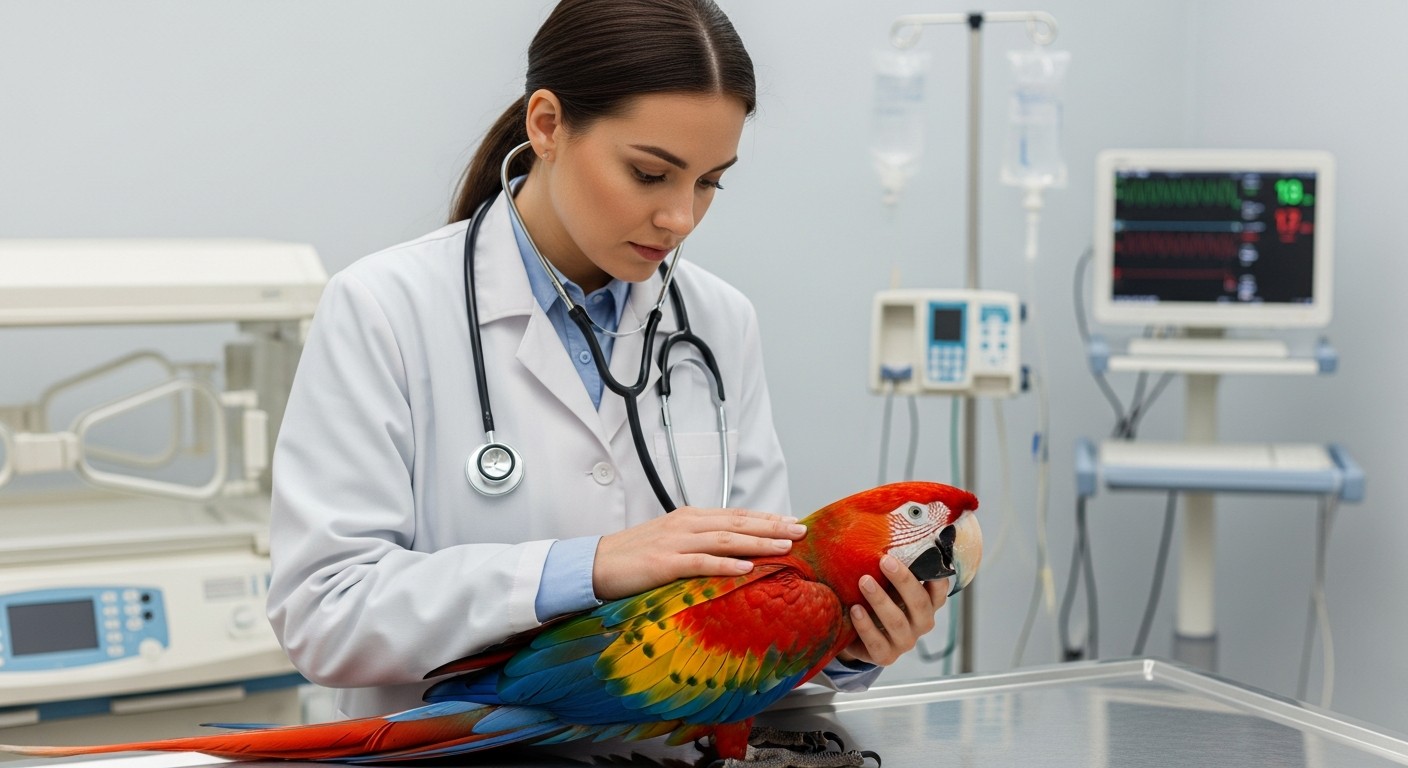
Most people treat finding a vet like finding a mechanic, they wait until smoke is pouring out from under the hood before they bother looking up a number. The brutal truth about How to find & choose an exotic veterinarian is that by the time you actually need one for an emergency, it is statistically too late to save your animal. Here is what decades of rescuing botched cases and burying beloved pets taught me about navigating a medical system that wasn't built for your species.
Understanding the Gap: Why General Vets Are Dangerous
Let's rip the band-aid off immediately: your friendly neighborhood veterinarian, the one who has taken great care of your Golden Retriever for ten years, is likely a death sentence for your iguana or parrot. This isn't because they are bad people or incompetent doctors; it is because veterinary school is a numbers game, and exotics are a rounding error.
I have spent years in shelter medicine and rehab circles, and the stories are always the same. A well-meaning owner takes a sick guinea pig to a dog-and-cat clinic. The vet, trying to be helpful but lacking specific training, prescribes an antibiotic that is safe for a puppy but fatal to the gut flora of a hindgut fermenter. Three days later, the animal is dead, not from the original illness, but from the "treatment."
The "All Creatures" Lie
Marketing is a hell of a drug. You will see clinics with signs boasting "We Treat All Creatures Great and Small." It’s a lovely sentiment that looks great on a brochure. In reality, "All Creatures" usually means "Dogs, Cats, and maybe a Rabbit if we feel daring."
- The Generalist Trap: Most vet curriculums dedicate less than two weeks to exotic medicine over a four-year degree. Unless that vet pursued post-graduate internships or board certification specifically for exotics, they are guessing based on mammal physiology that doesn't apply to reptiles or birds.
- Equipment Deficiencies: A standard clinic doesn't have the anesthesia monitoring equipment for a 30-gram budgie. They likely don't have the micro-surgical tools or the specialized warming incubators required for reptiles. Using standard tools on exotics is like trying to fix a Swiss watch with a sledgehammer.
- The Confidence Game: Some vets have egos. Admitting they don't know how to treat a Bearded Dragon hurts that ego. So, they wing it. I’ve seen snakes injected with drugs that cause necrosis in reptiles because the vet treated them like a long dog.
The Economics of Exotic Care
Here is the cynical reality of the business side. Exotic specialists are rare because the money isn't there. A vet can see four dogs in an hour for vaccines at $80 a pop. An exotic exam requires complex husbandry reviews, longer consultation times, and often involves clients who spent $20 on a hamster and refuse to spend $100 on an exam.
Because of this, true specialists charge more. If you find a vet charging rock-bottom prices for exotic exams, run. They are volume-based, and volume kills fragile species. You are paying for the knowledge that keeps your animal alive, not just the 15 minutes in the room. In my experience, a cheap vet is the most expensive mistake you'll ever make because you'll end up paying for the necropsy and the cremation shortly after.

5 Deadly Mistakes That Kill Exotics
I've seen the aftermath of bad decisions in waiting rooms and emergency clinics more times than I care to count. These are the specific failures that turn a manageable health issue into a tragedy.
- Mistake #1 - Waiting for Symptoms: By the time a prey animal (which includes most exotics like rabbits, birds, and lizards) shows you they are sick, they are already dying. They are evolutionarily programmed to hide weakness. If you wait until your bird is fluffed up or your lizard stops eating to find a vet, you have likely missed the window for recovery. You need a vet before you need a vet.
- Mistake #2 - Trusting the Pet Store Referral: The kid working for minimum wage at the big-box pet store is not a medical professional. The "vet list" they hand you is often comprised of clinics that have business relationships with the store, not necessarily the ones with the best medical outcomes. I've tracked these referrals; often they lead to clinics that rubber-stamp health certificates for mill-bred animals rather than specialists who will actually diagnose the congenital issues your pet likely has.
- Mistake #3 - The "Closest Clinic" Fallacy: Convenience is a luxury exotic owners do not have. Choosing a vet because they are five minutes away versus driving 45 minutes to a specialist is lazy and dangerous. I drive an hour and a half one way to see my avian specialist. If you aren't willing to travel for competence, you shouldn't own an exotic animal.
- Mistake #4 - Ignoring the "After Hours" Plan: Your pet will never get sick at 2:00 PM on a Tuesday. It will happen at 11:00 PM on a holiday weekend. Most general emergency clinics will not touch exotics, or worse, they will charge you $200 just to say "we can't help." If your primary exotic vet doesn't have an on-call protocol or a relationship with a 24-hour facility that actually knows exotics, you are playing Russian Roulette.
- Mistake #5 - Price Shopping for Procedures: I see this on forums constantly: "Who is the cheapest vet to neuter my rabbit?" This is terrifying. Anesthesia on rabbits and reptiles is incredibly high-risk. A cheap surgery means they aren't using the safer, expensive gas; they aren't placing an IV catheter; and they don't have a dedicated nurse monitoring heart rate. You are saving $50 to increase the mortality risk by 500%.

The Protocol: How to Actually Vet the Vet
Disclaimer: This advice comes from personal experience navigating the medical system for dozens of animals. I am not a veterinarian. This guide is designed to help you find a qualified professional, not to replace their medical judgment once you are in their care.
Stop Googling "vets near me" and hoping for the best. You need a targeted strike to find the people who actually know what they are doing. Here is the process that has saved me thousands of dollars and several lives.
Step 1: The Database Deep Dive
Start with the board-certified databases. You want Diplomates or active members of specialty organizations. This filters out the "we treat hamsters occasionally" clinics from the "we attend annual conferences on exotic medicine" professionals.
- Action: Check the Association of Avian Veterinarians (AAV), Association of Reptile and Amphibian Veterinarians (ARAV), or the Association of Exotic Mammal Veterinarians (AEMV).
- Cost: Free.
- Timeline: 30 minutes.
- The Filter: Look for vets listed here. If a clinic isn't paying dues to these organizations, they probably aren't keeping up with the latest medicine.
Step 2: The Phone Interrogation
Once you have a list, you call them. Do not book an appointment online. You need to hear the receptionist's voice when you ask specific questions. You are looking for hesitation.
The Script:
"Hi, I'm looking for a new vet for my [Species]. Can you tell me which doctor sees them and how many of this species they see per week?"
- Good Answer: "Dr. Smith sees bearded dragons daily. In fact, she's in surgery with one right now."
- Bad Answer: "Oh, Dr. Jones can take a look at it." (The vague "take a look" is code for "we'll wing it.")
- The Trap Question: Ask about a specific husbandry requirement. For a reptile, ask "Do you require a stool sample for parasites?" For a rabbit, ask "Do you recommend fasting before surgery?" (Note: Rabbits cannot vomit and should never be fasted. If they say yes, hang up immediately.)
Step 3: The Transport Test
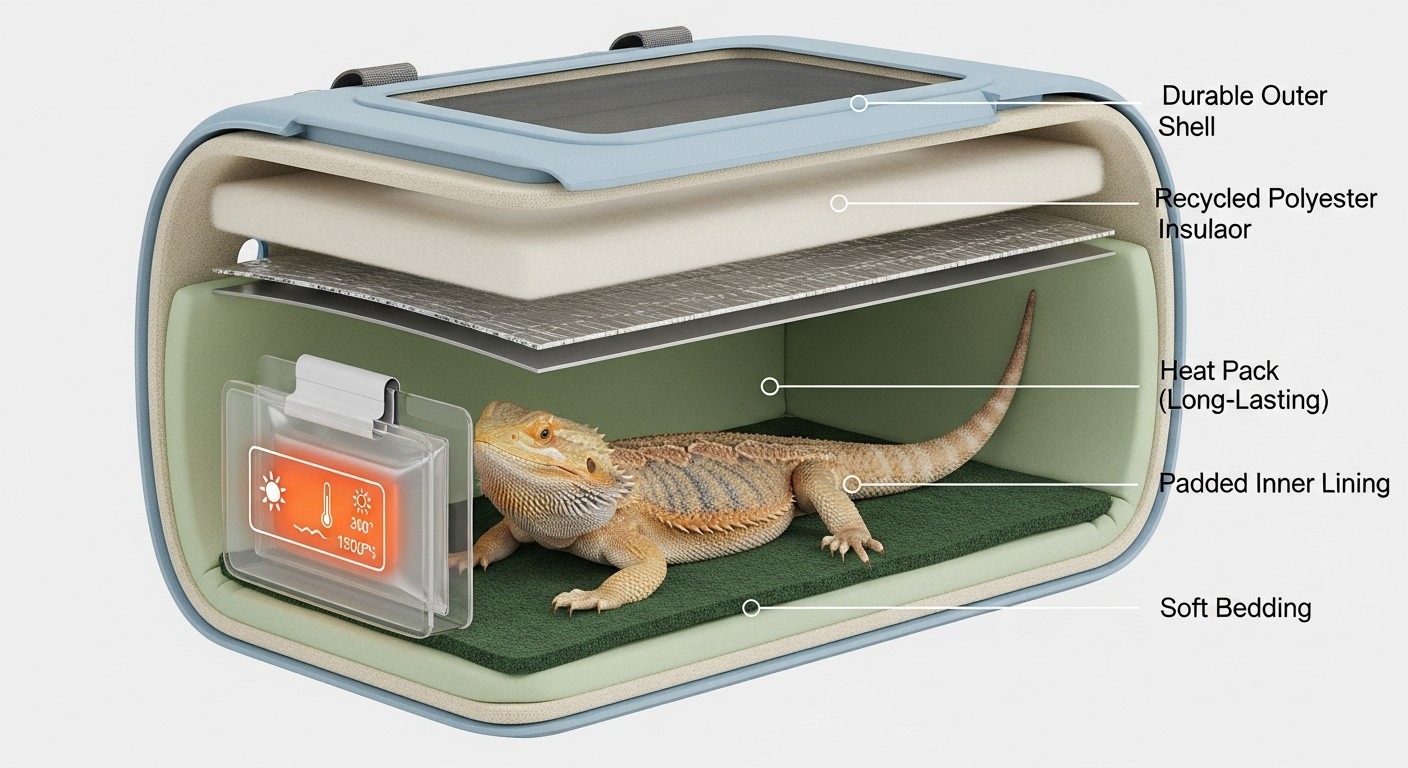
Before you even get the appointment, you need to prove you can get the animal there safely. I've seen reptiles arrive at clinics frozen to death because the owner put them in a cardboard box in winter, and cats arrive hyperventilating in laundry baskets.
- Secure the Carrier: You need something escape-proof. For cats and small mammals, I stopped messing around with cheap carriers that fall apart. The Petmate Two Door Top Load Kennel ↗ is the only one I use now because top-loading allows the vet to lift a frightened animal out gently rather than dragging them out by the scruff, which sets the tone for a bad exam.
- Temperature Control: If you are transporting a reptile or bird, temperature is life. A cold animal is a stressed animal that yields bad blood work results. For longer trips, I always pack a UniHeat Shipping Warmer ↗ wrapped in a towel. Unlike hand warmers from the gas station which get too hot and burn skin, these are designed for live cargo and maintain a steady temp for hours.
- Timeline: Buy this gear before the emergency. Trying to find heat packs at 9 PM is impossible.
Step 4: The First "Wellness" Exam
Book an appointment when your animal is healthy. This costs money ($60-$120), but it buys you two things: a baseline for what "normal" looks like for your specific pet, and "client status." When an emergency hits, established clients get seen. Strangers get referred to the ER.
What to bring:
- Photos of your enclosure (lighting, bedding, size).
- Brand names of all food and supplements.
- A fresh stool sample (for parasites).
Prevention: Building Your Defense
The best way to survive the vet experience is to minimize how often you need them for crises. In my years of husbandry, I've found that 90% of "medical" issues are actually "husbandry" issues. You are keeping the animal wrong, and it is making them sick.
Data is Your Shield
You cannot detect illness in exotics by "vibes." You need hard data. For reptiles, if you don't know your exact temperature gradients, you are flying blind. Stick-on analog thermometers are garbage; they are inaccurate by up to 20 degrees. I use the Zoo Med ReptiTemp Digital Infrared Thermometer ↗ daily. Point it at the basking spot, point it at the cool side. If the numbers aren't right, fix the lights before you pay a vet to tell you your lizard is cold.
The Emergency Kit
While you are waiting for your appointment, you need to stabilize the animal. I never have a home without a basic triage kit. This isn't about playing doctor; it's about buying time.
- Wound Care: For minor scrapes or bites while waiting for the vet, you need something safe for sensitive skin. I keep Vetericyn Plus Antimicrobial All Animal Wound and Skin Care ↗ in every room. It doesn't sting, it's safe if they lick it (which they will), and it prevents infection from setting in before you can get professional help.
- Nutritional Support: When a herbivore (rabbit, guinea pig) stops eating, their gut stops moving (GI Stasis), and they can die in 24 hours. You need to force-feed them immediately. Oxbow Critical Care for Herbivores ↗ is essentially life support in a bag. I have syringe-fed this green sludge to countless animals at 3 AM; it is the difference between a recovery and a grave. Cost is about $15, but it saves thousands in hospitalization fees.

Common Red Flags in the Exam Room
You’ve done your research, you found a vet, and you’re in the room. Now you need to watch them like a hawk. Even "good" clinics can have bad days or new staff who aren't up to speed. Here is what to watch for.
Red Flag #1: Improper Restraint
If a vet tech grabs your rabbit by the scruff and lets its back legs dangle, scream at them to stop. That can fracture a rabbit's spine. If they grab a lizard by the tail, they are incompetent. A good exotic vet team moves slowly, uses towels for "burrito" wraps, and respects the animal's stress levels. If they are wrestling your animal like it's an alligator match, leave.
Red Flag #2: The "Wait and See" Approach
With dogs, "wait and see" is often fine. With birds and reptiles, "wait and see" means "wait and die." A vet who sends you home with no diagnostics (no blood, no fecal smear, no X-ray) on a visibly sick exotic is doing you a disservice. They should be aggressive with diagnostics because these animals crash fast. If they aren't offering tests, ask for them. If they refuse, find another vet.
Red Flag #3: Generic Drug Dosing
Watch how they calculate doses. Exotic metabolism varies wildly. A turtle metabolizes drugs differently than a tortoise. If the vet isn't consulting a formulary book or a computer dosage calculator for your specific species, be wary. I've seen vets eyeball doses based on "cat size," and the results are catastrophic liver failure.

Quick Checklist: How to find & choose an exotic veterinarian
- Check Credentials: Are they members of AAV, ARAV, or AEMV?
- Verify Experience: Do they see your species weekly, not just annually?
- Assess Equipment: Do they have microsurgical tools and appropriate heating?
- Confirm Emergency Protocol: Where do you go at 2 AM?
- Test Knowledge: Ask a trick question about husbandry (e.g., fasting rabbits).
Missing multiple items? Fix them before you are holding a dying animal in a parking lot.
Perfect animal care doesn't exist, I've failed enough times to know that. There will be times you do everything right and the genetics just aren't on your side, or the illness moves too fast.
But armed with realistic expectations and these strategies, you can avoid the worst mistakes. You can stop being the person who pays for a vet's learning curve with your pet's life.
Start by looking up the specialty organizations today. It's not glamorous work, scrolling through databases and making awkward phone calls, but it's the only way to ensure your exotic pet has a fighting chance when things go south.
🐾 Frequently Asked Questions
Q What is the difference between a regular vet and an exotic vet?
A regular vet focuses on cats and dogs, while an exotic vet has specialized training, equipment, and often board certification (ABVP) to treat reptiles, birds, and small mammals safely.
Q How much does an exotic vet visit cost compared to a regular vet?
Exotic vet visits typically cost 20-50% more than standard visits due to the specialized knowledge and equipment required, with exam fees often ranging from $80 to $150 depending on your location.
Q How do I verify if a veterinarian is truly an exotic specialist?
Check for board certification from the American Board of Veterinary Practitioners (ABVP) in Avian, Exotic Companion Mammal, or Reptile & Amphibian practice, rather than just a claim of 'seeing exotics'.
Q What should I ask before booking an appointment for my exotic pet?
Ask how many animals of your specific species they treat weekly, if they have appropriate hospitalization tanks/cages, and if they have after-hours emergency support for exotics.
Q Can I use a telemedicine vet for my exotic pet?
Telemedicine is excellent for initial triage or husbandry advice, especially if you live in a rural area, but it cannot replace physical diagnostics like blood work or x-rays needed for serious illness.

📖 Related Articles

7 Ways to Socialize a Guinea Pig: The 2026 Guide


💬 Comments (0)
No comments yet. Be the first to share your thoughts! 👇
✍️ Leave a Reply