Reptile Impaction: Causes, Symptoms & Emergency Care Guide
Heads up: This post contains affiliate links. If you buy something through them, I earn a small commission at no extra cost to you. It keeps the lights on and the kibble bowl full. Read the full boring legal stuff here.
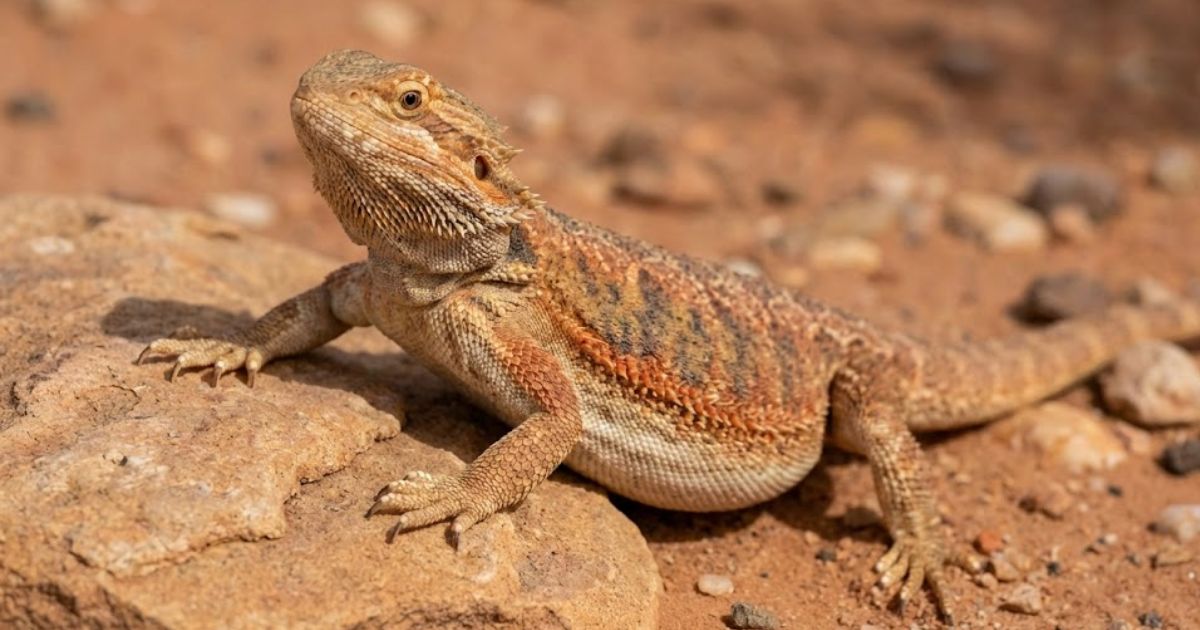
Impaction, also known as gastrointestinal obstruction if you want to impress people at parties, is one of those conditions that starts with "maybe they're just not hungry" and ends with either emergency surgery or a very expensive lesson in why thermometers aren't optional. Usually the latter if you've been consulting Facebook instead of veterinarians.
Let's talk about what impaction actually is, why it happens (spoiler: blaming substrate is lazy), and how to recognize it before you're frantically Googling "emergency reptile vet near me" at 2 AM while your gecko looks increasingly like a balloon.
What Is Reptile Impaction?
Impaction occurs when something blocks your reptile's digestive tract, preventing normal passage of food and waste. Research shows this obstruction can be partial or complete, and complete blockages are surgical emergencies, not "let's wait and see" situations.
The blockage can be substrate particles, improperly sized food, foreign objects, or, in cases that really highlight human creativity, accumulated shed skin, random cage decorations they decided to eat, or other debris. According to reptile veterinarians, the location matters: stomach impactions differ from intestinal blockages in symptoms, treatment, and how expensive the fix becomes.
What makes impaction particularly delightful is that incoming food and waste continue accumulating behind the blockage. Pressure builds, digestion stops, bacteria multiply in stagnant material like it's spring break in Cancun, and systemic toxicity can develop rapidly. It's basically a traffic jam, except instead of horns honking, organs start failing.
Wild reptiles occasionally experience impaction from accidentally consuming substrate or hard-shelled prey, but it's remarkably less common than in captivity. They have space to move, proper temperatures for digestion, and aren't living on substrates marketed as "natural" by companies whose definition of "research" is apparently "we asked Steve in accounting and he said it sounds fine."
The Real Causes (It's Not Just Substrate, Stop)
Here's where we need to have an uncomfortable conversation that the internet doesn't want to hear: substrate alone rarely causes impaction in healthy, properly kept reptiles. Studies on wild bearded dragons and leopard geckos show they live on sand and particle-rich soil without mass die-offs from impaction.
The truth is more complicated and involves multiple failures compounding over time. But "check your temperatures and hydration" doesn't sell as many panic-posts as "SAND IS DEATH," so here we are.
Inadequate Temperatures
The number one culprit that nobody wants to acknowledge because it means admitting their setup isn't perfect. Reptiles kept too cold cannot digest food properly, research on reptile metabolism confirms that appropriate temperatures are essential for digestive enzyme function and intestinal motility.
When basking spots are inadequate because "it feels warm to my hand" (your hand is not a thermometer, Susan), reptiles can't achieve the body temperatures needed for digestion. Food sits in the gut, dehydrates, becomes compacted, and forms an obstruction. According to veterinary studies, temperature-related digestive slowdown is present in the vast majority of impaction cases.
But sure, blame the substrate. That's significantly easier than admitting the thermometer you bought three years ago hasn't had its batteries changed since installation and might be displaying the temperature from an alternate dimension.
Dehydration
Insufficient water intake causes intestinal contents to dry out and become difficult to pass, shocking development, I know. Research shows proper hydration maintains stool consistency and intestinal transit time. Without it, even normal food becomes impacted because physics exists.
Dehydration often results from low humidity (for species requiring it), lack of accessible water because the bowl got buried under substrate two weeks ago, or illness preventing normal drinking. Studies demonstrate that dehydrated reptiles are significantly more susceptible to impaction regardless of substrate type, but let's keep having that substrate argument instead of checking water bowls daily.
Inappropriate Food Sizes
Feeding prey items too large for your reptile to properly digest creates mechanical blockages, revolutionary concept that apparently requires restating. The general rule: insects should be no wider than the space between the reptile's eyes. Not "looks about right," not "they managed to swallow it so probably fine," actual measurement.
According to nutritional research, oversized food can physically lodge in the digestive tract or simply be too large for digestive enzymes to break down effectively before dehydration occurs. This is particularly problematic in young or small reptiles fed adult-sized prey because someone thought "bigger meal means less frequent feeding means less work for me."
Accidental Substrate Ingestion
Yes, substrate can contribute, plot twist that'll shock absolutely no one. But here's what the panic-posters conveniently forget: substrate usually becomes a problem when other factors are already catastrophically wrong.
Reptiles may deliberately consume substrate when: they're deficient in minerals (attempting to obtain calcium or other nutrients their diet lacks), they're hunting and accidentally grab it with prey, or they're exploring their environment through taste like every other curious animal on the planet.
Research on reptile feeding behavior shows healthy reptiles with proper husbandry rarely develop substrate impaction even with loose substrate available. Unhealthy reptiles with temperatures hovering somewhere between "refrigerator" and "room temperature," zero hydration, and the dietary variety of a college freshman? That's a completely different story that substrate just happens to guest-star in.
Inappropriate Substrate Choices
While substrate alone isn't usually the sole villain in this horror story, certain substrates are legitimately asking for trouble. Calci-sand (marketed as "digestible", it's not, that's a lie), walnut shells (sharp and about as digestible as actual walnuts in the shell), small pebbles (decorative rocks are not food, shocking), and cedar/pine shavings (toxic and aromatic in all the wrong ways) all increase impaction risk.
Studies show that even when accidentally consumed, appropriate particle-sized substrates like topsoil or sand typically pass through healthy reptiles without issue. Marketing claims that any loose substrate automatically causes impaction are oversimplified, not supported by research, and mostly designed to sell you expensive tile and paper towels.
Underlying Health Issues
Parasites, metabolic bone disease, previous injuries, or systemic illness can all impair digestive function, because apparently one problem at a time is too simple. According to veterinary medicine research, reptiles with compromised health are predisposed to impaction because normal digestive processes are already running on backup generators.
Intestinal parasites physically damage gut lining and compete for nutrients like the world's worst roommates. MBD affects muscle function needed for intestinal contractions. Any condition causing weakness or immune suppression makes impaction more likely, and exponentially more expensive to fix.
Early Symptoms You'll Probably Ignore
Impaction develops gradually in most cases, giving you plenty of warning signs to completely miss until it's a full-blown emergency. Early recognition dramatically improves treatment success, but early symptoms are subtle enough that people dismiss them as "probably nothing" until it becomes "definitely something very expensive."
Decreased appetite or food refusal. Not complete anorexia yet, just less interest in food than usual, pickier eating, or skipping meals. Reptiles feeling intestinal discomfort often stop eating before other symptoms appear, but this gets chalked up to "maybe they're just not hungry today" for three consecutive weeks.
Reduced defecation frequency. Going longer between bowel movements than normal for the species. According to veterinary observations, this is often the first sign keepers notice, assuming they're actually tracking bathroom habits instead of just hoping everything's working correctly.
Lethargy and reduced activity. Less basking, more hiding, decreased movement. Could indicate multiple issues, but combined with digestive symptoms, it suggests gastrointestinal distress. Or they're "just being lazy," which is apparently a personality trait reptiles develop spontaneously.
Frequent soaking or water bowl sitting. Research shows reptiles experiencing abdominal pressure or discomfort often seek water to relieve symptoms. If your reptile suddenly spends hours in the water dish looking contemplative, something's wrong, they're not having an existential crisis, they're uncomfortable.
Subtle behavioral changes. Restlessness, difficulty getting comfortable, or positioning themselves oddly. Reptiles can't verbally communicate "my intestines feel like concrete," so behavioral changes are their distress signals. Picking up on these requires actually observing your reptile instead of just glancing at the tank while walking past.
If you're seeing these signs, don't wait to "see if it passes." It won't pass, that's literally the problem we're discussing.
Advanced Symptoms That Mean You're Late
When impaction progresses because early symptoms were thoroughly ignored, symptoms become impossible to dismiss as "probably fine." At this stage, we're talking veterinary emergency, not "let me try a warm bath first" or "I'll post on Facebook and see what Karen suggests."
Complete anorexia lasting multiple days. Total food refusal combined with no defecation. Studies show this indicates significant digestive obstruction requiring immediate intervention, not additional observation while you hope it magically resolves.
Visible abdominal swelling or distension. The belly looks noticeably enlarged compared to normal, and not "maybe they just ate," actually swollen. Sometimes you can see or feel a hard mass when gently palpating the abdomen, which is exactly as concerning as it sounds.
Straining to defecate with no results. Reptiles positioning for elimination but producing nothing, or only small amounts of liquid or urate. According to veterinary observations, this straining indicates complete or near-complete obstruction, not constipation you can fix with more water and positive thinking.
Regurgitation or vomiting. When nothing can move forward through the digestive tract, sometimes it comes back up instead because physics demands an exit route. This is a medical emergency, aspiration pneumonia becomes a bonus complication on top of the existing impaction, like a BOGO deal nobody wanted.
Partial paralysis in rear legs. Particularly obvious in bearded dragons and other species with no spinal discs between vertebrae. Research shows severe impaction can compress spinal nerves, causing temporary or permanent paralysis. Yes, constipation can cause paralysis. Evolution is wild.
Trembling limbs or difficulty moving. Can indicate pressure on the spine from intestinal distension, though this symptom also appears with metabolic bone disease. Distinguishing between them requires veterinary examination and possibly X-rays, not internet diagnosis.
Visible lump along the back or sides. In severe cases, the impacted mass can be so large it's visible externally. If you can see the blockage from outside, congratulations, it's been there far too long and we're now in "emergency surgery" territory.
Species Most at Risk
While any reptile can develop impaction, certain species appear in emergency clinics more frequently than others, coincidentally (not coincidentally), they're also marketed as "beginner-friendly" and "easy to care for."
Bearded dragons. Probably the poster child for impaction in reptiles. Popular, frequently kept on whatever substrate was cheapest at the pet store, and often maintained at temperatures that would make a bearded dragon ancestor weep. Research shows they're particularly susceptible to spinal compression from severe impaction due to their disc-less vertebrae, which means paralysis becomes a fun bonus complication.
Leopard geckos. Ground-dwellers commonly kept on particle substrates, sometimes fed prey items sized for "efficiency" rather than appropriate digestion. Studies indicate they're prone to impaction when husbandry is suboptimal, though healthy individuals with proper temperatures typically manage fine even with loose substrate, but that doesn't generate panic clicks.
Blue-tongue skinks. Large appetites and ground-dwelling habits combined with enthusiasm that occasionally involves eating substrate along with food. According to veterinary data, they sometimes consume substrate while feeding like they're competing for a prize, especially if food items aren't appropriately sized or offered properly.
Tortoises. Particularly young or sick individuals who treat substrate like an all-you-can-eat buffet. Research shows they may consume substrate when seeking minerals their diet lacks or simply exploring because that's what babies do. Their slow metabolism means impactions can develop gradually while symptoms remain subtle.
Corn snakes and ball pythons. Usually from accidentally consuming substrate with prey during feeding response or from foreign objects in the enclosure. Studies show snakes are particularly susceptible to severe impaction from swallowing inappropriate cage furnishings they mistook for prey, or just decided to eat out of curiosity or spite, it's unclear.
Diagnosis: What the Vet Actually Does
If you've recognized symptoms and scheduled a veterinary appointment (congratulations on being marginally responsible), here's what diagnostic process typically involves, spoiler alert, it's more complex than Facebook group diagnosis.
Physical examination and husbandry interrogation. Veterinarians palpate the abdomen feeling for masses, hard areas, or abnormal distension that shouldn't be there. They'll ask detailed questions about husbandry, diet, substrate, defecation frequency, and symptom timeline, answer honestly or you're wasting everyone's time, especially your reptile's.
Radiographs (X-rays). According to veterinary protocols, X-rays are essential for impaction diagnosis because guessing is not a diagnostic tool. They reveal location, size, and density of obstructions, distinguish foreign objects from fecal material, and show gas patterns indicating intestinal distress or impending disaster.
Multiple views are typically needed, lateral and dorsoventral, to accurately assess the situation. What looks like one concerning mass from one angle might be multiple obstructions from another, or could be a completely different organ doing something equally problematic.
Fecal examination. If the reptile is still passing anything at all, fecal analysis checks for parasites or blood that might indicate intestinal damage. Research shows parasitic infections frequently accompany or predispose to impaction, because apparently one digestive problem isn't sufficient entertainment.
Blood work. Complete blood counts and chemistry panels assess hydration status, kidney function, electrolyte balance, and signs of systemic infection. Studies show elevated white blood cells or abnormal kidney values often accompany severe impaction, indicating the problem has progressed beyond "local intestinal issue."
Ultrasound in some cases. Provides additional detail about intestinal structure and contents when X-rays are inconclusive or vets want more information before deciding on treatment approach. Particularly useful for identifying fluid accumulation or intestinal wall thickening that suggests complications.
Be honest about everything, substrate type, actual temperatures (not what you think they should be), feeding schedule, recent changes, everything. Your vet isn't judging you (they're judging you a little), but they need accurate information to provide effective treatment. Lying helps absolutely no one, especially not your increasingly uncomfortable reptile.
Treatment Options (From Conservative to Surgical)
Treatment depends entirely on severity, location, and what's causing the obstruction. You cannot treat severe impaction at home, attempts to do so often worsen the situation and provide entertaining stories for veterinary staff about "things people tried before bringing the animal in."
Conservative Treatment for Mild Cases
Warm water soaks. Typically 15-30 minutes in shallow lukewarm water (around 85-95°F depending on species, not "feels warm to me"), often twice daily. Research shows warmth can stimulate intestinal activity and hydration helps soften impacted material, assuming the impaction is mild and you caught it early instead of waiting three weeks.
Gentle belly massage during soaking, keyword gentle, not aggressive manipulation like you're kneading bread dough. According to veterinary guidelines, massage should only be performed after veterinary instruction on proper technique, because "I saw someone do it on YouTube" is not adequate training for potentially perforating intestines.
Increased hydration. Offering water more frequently, raising humidity for appropriate species, or administering subcutaneous fluids if the reptile is significantly dehydrated. Studies show proper hydration is essential for resolving mild impactions, though it won't magically fix severe blockages no matter how hopeful you are.
Temperature optimization. Ensuring basking temperatures are at the higher end of the appropriate range to stimulate digestion and intestinal motility. Research consistently shows improved digestive function with appropriate thermal support, which should've been provided from the beginning, but here we are fixing preventable problems.
Dietary modification. For herbivorous or omnivorous species, offering high-fiber foods like pumpkin puree (unsweetened, not pie filling unless you want additional problems) or moistened greens. According to nutritional studies, fiber and moisture help move impacted material in mild cases, emphasis on "mild," not "I can see the blockage from outside."
Recommended Product: Libby's 100% Pure Pumpkin Puree
Small amounts of mineral oil or olive oil administered orally under veterinary direction. Not castor oil, that's an irritant and will make everything worse. Not large amounts, too much causes diarrhea, dehydration, and nutrient malabsorption. Proper dosing matters, which is why veterinary guidance is non-negotiable.
Medical Intervention
Enemas or colonic flushing. Veterinarians insert catheters into the cloaca to flush out impacted material with warm saline or other fluids, it's exactly as dignified as it sounds. Research shows this is effective for impactions in the lower intestinal tract, though effectiveness drops dramatically the further forward the blockage sits.
Laxatives prescribed by the vet. Not over-the-counter human laxatives that someone on Facebook swears worked for their cousin's gecko. Reptile-appropriate medications at species-specific doses calculated by someone who actually went to veterinary school. Studies demonstrate certain laxatives stimulate intestinal contractions and stool softening when dosed appropriately.
Appetite stimulants. If the reptile has stopped eating but the impaction is being treated, medications that stimulate appetite help maintain nutrition during recovery. Because starving while trying to heal from intestinal obstruction is suboptimal at best.
Fluid therapy. Subcutaneous or intravenous fluids to address dehydration and support kidney function, kidneys being rather important for survival and all. According to veterinary medicine research, proper hydration significantly improves impaction treatment outcomes, though it's more effective when started before kidney failure develops.
Hospitalization for monitoring. Severe cases require close observation, repeated treatments, and intervention if the condition worsens despite treatment attempts. Studies show hospitalized reptiles receive more intensive supportive care than outpatient treatment allows, which matters when "getting worse" could mean "sudden catastrophic decline."
Surgical Intervention
When conservative and medical treatments fail, or when the impaction is too severe for non-surgical approaches, surgery becomes necessary. This is the expensive, invasive, risky option that could've been avoided with proper husbandry, but hindsight is famously unhelpful.
Coeliotomy (surgical opening of the body cavity). Surgeons directly access the intestines to manually remove obstructions, slicing open the abdomen to extract whatever shouldn't be there. Research shows this is the definitive treatment for large foreign objects, severe substrate impactions, or complete obstructions that medications won't budge.
According to veterinary surgical studies, survival rates depend heavily on how early surgery occurs. Waiting until intestinal necrosis develops, perforation occurs, or systemic sepsis sets in dramatically worsens prognosis, from "good chance" to "we'll do our best but prepare yourself emotionally."
Post-surgical care is intensive. Pain management (reptiles feel pain, shocking revelation), antibiotic therapy to prevent infection, continued fluid support, and gradual reintroduction of food over weeks. Studies show recovery is long, complications can occur even with successful surgery, and your reptile will look at you with justified resentment for a while.
Surgery is expensive, typically $500-2,000 depending on severity, location, and whether complications develop during or after. And there's absolutely no guarantee of success if you've waited until intestinal damage is severe or systemic infection is established.
Prevention: The Part That Actually Matters
Here's the reality that'll shock absolutely no one who's been paying attention: impaction is largely preventable through proper husbandry. Yes, freak accidents happen. But most cases result from husbandry failures that were entirely avoidable. Groundbreaking insight, I know.
Maintain Proper Temperatures
Use accurate digital thermometers, not decorative stick-on strips that display comforting lies.
Maintaining precise basking temperatures is non-negotiable for preventing impaction, the ThermoPro TP53 with remote probe monitors both temperature and humidity accurately, ensuring your reptile can actually digest food instead of turning it into intestinal concrete.
Check temperatures daily because bulbs fail, thermostats malfunction, and "I'm sure it's fine" is how problems develop while you remain blissfully unaware.
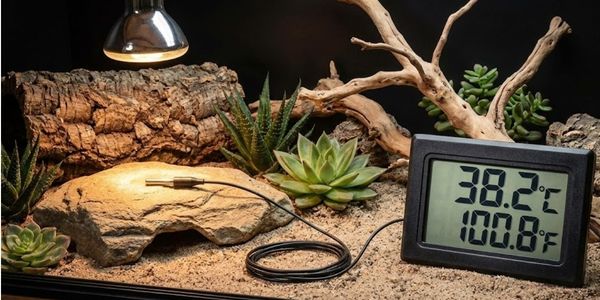
Research on reptile thermal biology is unequivocal: appropriate temperatures are foundational to digestive health. Get this wrong, and everything else becomes exponentially harder, digestion slows, immune function drops, and suddenly substrate that would normally pass through becomes an expensive surgical emergency.
Ensure Proper Hydration
Fresh water available daily, revolutionary concept that apparently requires stating.
Recommended Product: Zoo Med ReptiSafe Water Conditioner
Appropriate humidity levels for the species (research what they actually need, not what feels convenient). Regular soaking for species that benefit from it, particularly many tortoises who treat hydration like an optional activity.
Monitor for signs of dehydration: sunken eyes, skin tenting when gently pulled, decreased skin elasticity. According to veterinary guidelines, addressing dehydration promptly prevents numerous health issues including impaction, though prevention requires actually noticing symptoms before they're severe.
Feed Appropriately Sized Prey
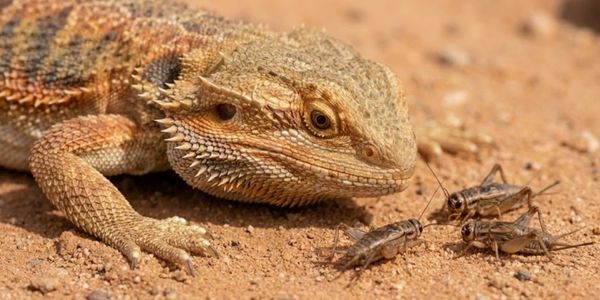
Insects no wider than the space between the reptile's eyes.
Weighing feeder insects ensures you're offering appropriately sized prey instead of guessing, the Etekcity Food Scale provides precise measurements so you're not playing Russian roulette with your reptile's digestive capacity
Whole prey items appropriately proportioned to the snake's girth, not "I think they can handle it." Chopped vegetables in manageable pieces for herbivores instead of entire leaves they can't process.
Research shows properly sized food items are digested more efficiently and reduce mechanical obstruction risk. This isn't complicated rocket science, it's basic observation and restraint in not offering oversized meals because "but they look so hungry."
Choose Substrate Wisely
For species that actually need loose substrate for behavioral enrichment (digging, burrowing, living like their wild counterparts), choose appropriate particle sizes and types. Topsoil, play sand, coconut coir, or substrate mixes designed for reptiles by people who understand reptile biology work well.
Avoid: calci-sand (digestible is a marketing lie), walnut shells (sharp fragments are delightful), small pebbles (decorative but not digestible), cedar/pine (toxic oils for the respiratory bonus), anything marketed as "edible" that demonstrably isn't. According to substrate research, particle size and composition matter infinitely more than simply "loose vs solid."
For young reptiles, sick individuals, or during quarantine: paper towels, newspaper, or tile. Simple, digestible-safe, easy to monitor waste output, and removes one variable while you sort out everything else that might be wrong.
Monitor Feeding Behavior
Watch your reptile eat instead of just dumping food in and hoping for the best. Are they grabbing excessive substrate with prey? Adjust feeding methods, use feeding dishes, tong-feed, or temporarily use feeding containers where substrate ingestion isn't possible.
Studies show supervised feeding dramatically reduces accidental substrate consumption. It also helps you notice when appetite changes, feeding response weakens, or other early indicators that something's developing into a problem. Requires actually observing your reptile, which is apparently a radical concept.
Maintain Overall Health
Regular fecal examinations for parasites, they exist, they're common, pretending they don't won't make them disappear. Appropriate UVB and calcium supplementation to prevent MBD. Stress reduction through proper husbandry instead of minimal effort. According to veterinary research, healthy reptiles with proper everything are significantly less susceptible to impaction.
Annual or biannual vet checkups catch problems early before they become expensive emergencies. Prevention is exponentially cheaper than treatment, both financially and in terms of animal suffering that could've been avoided entirely.
Track Defecation
Know what's normal for your reptile's species and individual patterns. Daily, every other day, weekly, it varies widely. But you should know what's typical so you notice when it changes rather than discovering three weeks later that nothing has moved and Houston, we have a problem.
Research shows early intervention for constipation prevents development of severe impaction. Waiting until they haven't pooped in three weeks while hoping it'll resolve spontaneously is waiting far, far too long.
When It's Already Too Late
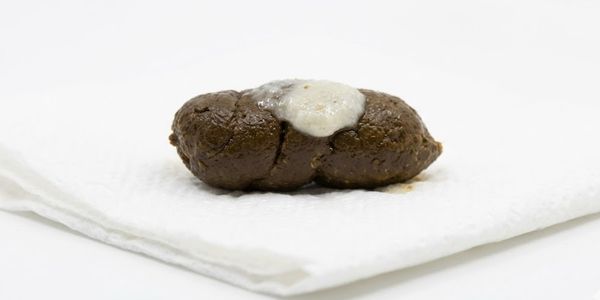
Let's address the uncomfortable truth nobody wants to discuss: not all impactions are survivable. Even with aggressive veterinary treatment, emergency surgery, and intensive care, some cases are too advanced to fix.
According to veterinary outcome studies, prognosis depends heavily on how early treatment begins, what's causing the obstruction, overall health status, and whether intestinal damage has occurred. Early intervention: good outcomes. Waited until catastrophic symptoms appeared: significantly less optimistic.
Intestinal perforation or rupture. When pressure from impaction causes the intestinal wall to tear, intestinal contents leak into the body cavity. This causes peritonitis (infection of the abdominal cavity that's about as fun as it sounds), and survival rates are extremely low even with emergency surgery, aggressive antibiotics, and prayers to whichever deity handles reptile emergencies.
Intestinal necrosis. Prolonged impaction cuts off blood supply to intestinal tissue, causing tissue death. Research shows necrotic tissue cannot recover, surgical removal is necessary, outcomes are poor, and your reptile now has permanently shortened intestines assuming they survive at all.
Severe spinal nerve damage. Particularly in species like bearded dragons with their disc-less vertebrae, prolonged pressure from impaction can cause permanent paralysis. Even if the impaction resolves, neurological damage may persist, they survive but can't use their back legs, which dramatically impacts quality of life.
Systemic sepsis. Bacteria from stagnant intestinal contents can enter the bloodstream, causing body-wide infection. Studies show septic reptiles have extremely guarded prognoses even with intensive care, it's treatable in theory, frequently fatal in practice.
Multiple organ failure. Severe impaction affecting kidney function, liver function, or causing metabolic derangements that cascade into system-wide problems. Once multiple organs are failing simultaneously, recovery becomes vanishingly unlikely regardless of intervention intensity.
The "too late" point varies by species and individual health, but generally: if you're seeing paralysis, severe abdominal distension visible from across the room, or systemic illness, treatment success becomes increasingly unlikely. This is why early intervention matters, addressing symptoms at "decreased appetite" instead of "can't move their legs."
The Cost Reality
Let's talk numbers, since prevention apparently needs financial justification for people to take it seriously.
Proper thermometers and substrate: $30-60. Appropriately sized feeders: minimal price difference from whatever's cheapest. Water dishes and humidity management: $15-30 for equipment that lasts years.
Treating impaction: diagnostic X-rays ($100-250), enemas or flushing ($75-150), medications ($50-100), hospitalization if needed ($200-500 per day), surgery for severe cases ($500-2,000+), follow-up care and monitoring ($100-300 spread across weeks). Total: easily $800-3,000 for moderate cases, potentially $5,000+ for complications requiring extended hospitalization or multiple surgeries.
According to veterinary cost analyses, prevention costs a fraction of treatment. And prevention doesn't involve anesthesia risk, surgical complications, recovery periods, or mortality risk that even successful treatment carries.
Somehow people object to a $40 digital thermometer but don't think twice about the initial reptile purchase, cage setup, or decorations. The math continues refusing to math in ways that defy explanation.
Common Myths That Need to Die
"All loose substrate causes impaction." Research shows this is oversimplified, inaccurate, and mostly perpetuated by people who've never looked at wild reptile ecology. Healthy reptiles with proper husbandry live on loose substrate in the wild and in captivity without mass impaction epidemics. Substrate is a contributing factor when other things are wrong, not the sole villain in this story.
"Impaction will pass on its own if I wait." Absolutely, categorically not. Studies demonstrate impactions worsen without intervention, pressure builds, dehydration progresses, intestinal damage develops. Waiting for spontaneous resolution typically results in surgical emergency or death, not miraculous recovery that validates procrastination.
"A warm bath fixes everything." Warm baths help mild cases under veterinary guidance when caught early. They don't resolve severe impaction, foreign body obstructions, complete blockages, or advanced cases where intestinal damage has occurred. Research shows overreliance on home remedies delays necessary treatment while the condition worsens.
"Only juveniles get impacted." Young reptiles may be more susceptible due to smaller digestive tracts and enthusiastic eating, but adults develop impaction too, particularly when husbandry is inadequate or underlying health issues exist. According to veterinary data, age is a risk factor, not a determinant of who can and can't develop intestinal obstructions.
"My reptile hasn't pooped in weeks but seems fine." They're not fine. Reptiles hide illness instinctively as a prey-species survival mechanism, by the time they "seem sick" to casual observation, they're often critically ill. Studies show prolonged constipation progresses to impaction, which progresses to medical emergency. "Seems fine" means their instinct to hide weakness is working, not that nothing's wrong.
What I've Learned From Seeing This Repeatedly
Impaction cases follow tediously predictable patterns: inadequate temperatures that weren't monitored, suboptimal hydration that wasn't addressed, inappropriate feeding that seemed convenient, delayed symptom recognition because surely it's nothing, late veterinary intervention because Facebook said try baths first.
The frustrating part? Most cases are preventable. Not "theoretically preventable with perfect care," genuinely preventable with basic competent husbandry that costs less than treatment.
Research consistently demonstrates that maintaining appropriate temperatures, adequate hydration, properly sized food, and basic health monitoring prevent impaction in most reptiles, even those on loose substrate that the internet insists is instant death. It's not complicated science: warm reptiles with water and appropriately sized food digest their meals. Cold, dehydrated reptiles eating oversized prey develop problems that substrate occasionally guest-stars in.
What prevention requires: accurate monitoring equipment that gets used, consistent temperature management, water availability and actual drinking, appropriate feeding practices, and prompt veterinary care when issues arise. Apparently that's where many people decide "easy pet" means "I can ignore basic physiological needs without consequences."
If you're not willing to maintain proper temperatures and monitor your reptile's health, reconsider reptile ownership. Get a pet rock, they don't develop intestinal obstructions from neglect, vet bills are nonexistent, and you can keep them at room temperature without complications.
For those who actually maintain proper care: your reptile will likely never experience impaction. It really is that straightforward, though apparently not straightforward enough judging by how often "my reptile hasn't pooped in three weeks but I'm sure it's fine" appears on forums immediately before emergency vet visits.
Substrate isn't the enemy. Incompetent husbandry is. But blaming substrate is easier than admitting the setup needs work, so here we are having the same argument while reptiles keep showing up with preventable impactions.
🐾 Frequently Asked Questions
Q Does loose substrate always cause impaction in reptiles?
No, and this myth desperately needs to retire already. Research on wild bearded dragons and leopard geckos shows they live their entire lives on sand and particle-rich soil without dropping dead from impaction en masse. Studies demonstrate that healthy reptiles with proper temperatures, adequate hydration, and appropriate feeding rarely develop substrate impaction, even with loose substrate available 24/7. The problem is that substrate gets scapegoated when the real culprits are inadequate temperatures (so they can't digest properly), dehydration (intestinal contents turn into concrete), or oversized food (mechanical blockage). Substrate CAN contribute when other factors are catastrophically wrong, but it's rarely the sole cause. The "no loose substrate ever" crowd conveniently ignores both research and the fact that wild reptiles somehow manage to survive on...substrate. Appropriate particle-sized substrates are fine for healthy, properly kept animals. Fix the temperature and hydration first before blaming the sand.
Q How long can a reptile go without pooping before it's impaction?
Depends entirely on the species, and more importantly, their individual normal patterns. Some reptiles poop daily, others weekly, some ball pythons apparently forget they have digestive systems for 2-3 weeks. What matters is deviation from THEIR normal schedule, not some arbitrary internet rule. If your bearded dragon usually poops every 2-3 days and suddenly hasn't gone in 10 days, that's concerning. If your ball python normally goes 2 weeks between movements and it's been 3 weeks, start watching closely. General guideline: if a reptile hasn't defecated in twice their normal timeframe, or if they're showing other symptoms (appetite loss, lethargy, straining), stop consulting Facebook and book a vet appointment. Don't wait until it's been a month while hoping it'll spontaneously resolve, by then you've got a medical emergency requiring surgery, not early intervention requiring warm baths. Track your reptile's bathroom schedule so you actually know what's normal versus what's "I should probably be worried now."
Q Can I give my reptile a laxative from the pharmacy?
Absolutely not, and whoever suggested this on the internet needs their advice privileges revoked. Human laxatives are formulated for human digestive systems and mammalian metabolism, reptiles process medications completely, fundamentally differently. Dosages that work for mammals can be toxic, ineffective, or cause severe intestinal cramping that makes everything worse. Some laxatives can cause intestinal damage in reptiles. Studies show reptile-appropriate treatments include specific medications at species-calculated doses, administered by or under guidance of someone who actually went to veterinary school, not Facebook University. What you CAN do safely for mild early cases: offer pumpkin puree (unsweetened, not pie filling), ensure proper hydration, optimize temperatures to appropriate levels, and provide warm soaks. But actual pharmaceutical laxatives? That requires veterinary prescription with proper dosing for your reptile's weight, species, and metabolic rate. Raid your medicine cabinet for your own digestive issues, leave your reptile's intestines to professionals who understand reptile physiology.
Q When does impaction require surgery versus conservative treatment?
X-rays determine this, not internet diagnosis, not "feels like a hard spot," actual diagnostic imaging by a veterinarian. Mild impactions with partial intestinal passage, reasonable gut motility, and no severe distension can often be managed conservatively: warm soaks, hydration therapy, temperature optimization, dietary modifications, possibly enemas if needed. Severe impactions with complete obstruction, large foreign objects, significant intestinal distension, or cases not responding to conservative treatment within 24-48 hours require surgical intervention before intestinal necrosis develops. Research shows veterinarians make this determination based on: size and location of obstruction, what's causing it (food vs substrate vs that random decoration they ate), whether the reptile can pass anything at all, how long symptoms have been present, and overall health status. Generally, if you can visibly see or feel a large hard mass externally, if there's been zero defecation for extended periods despite treatment attempts, or if the reptile is showing systemic illness or paralysis, surgery becomes likely. This is why early vet visits matter, catching it when conservative treatment still has a chance versus waiting until surgery is the only option left.
Q My reptile seems fine but hasn't pooped in weeks. Should I worry?
Yes, immediately, because "seems fine" is what reptiles are evolutionarily designed to do while dying internally. Reptiles instinctively hide illness as a prey-species survival mechanism, by the time they "seem sick" to casual human observation, they're often critically ill and running on fumes. Studies show prolonged constipation progressively worsens into impaction, which creates increasing intestinal pressure, dehydration of contents, potential bacterial overgrowth, and eventually complete obstruction requiring emergency intervention. "Seems fine" doesn't mean fine, it means their instinct to hide weakness from predators (you, in this case) is functioning perfectly while serious problems develop. Appetite, activity level, and behavior can all appear relatively normal initially while intestinal obstruction progresses internally. If your reptile hasn't defecated in significantly longer than their documented normal pattern (and you should know what normal is, not just hope everything works), book a veterinary appointment now. Don't wait for "looking sick", that often arrives hours before "critical emergency requiring immediate surgery." Early intervention for constipation is infinitely easier and cheaper than treating severe impaction with intestinal damage later. Your reptile won't tell you they're in trouble, you need to notice the absence of poop and actually do something about it.

📖 Related Articles

How to find & choose an exotic veterinarian: 5 Deadly Mistakes Owners Make in 2026
💬 Comments (0)
No comments yet. Be the first to share your thoughts! 👇
✍️ Leave a Reply