Reptile Respiratory Infections: Symptoms & Treatment Guide
Heads up: This post contains affiliate links. If you buy something through them, I earn a small commission at no extra cost to you. It keeps the lights on and the kibble bowl full. Read the full boring legal stuff here.
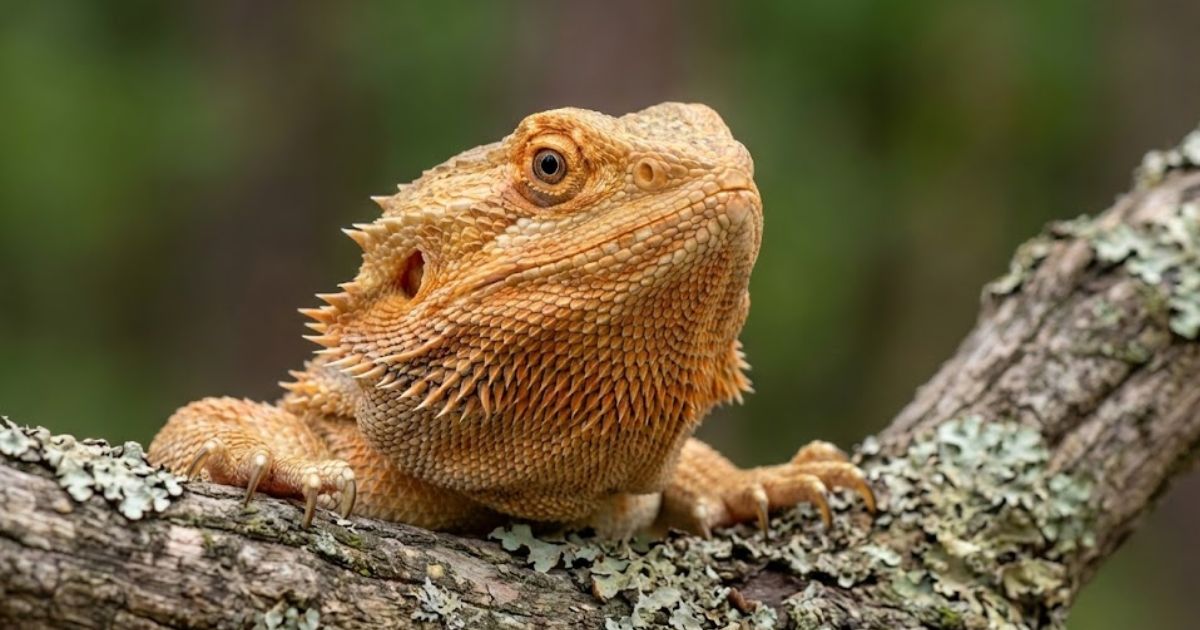
Respiratory infections, often abbreviated as RI or URI (upper respiratory infection), are among the most common health emergencies in captive reptiles. And yes, I said emergencies, because by the time most people notice symptoms, the infection has progressed beyond "let's see if it gets better."
Let's talk about what respiratory infections actually are, why they develop, and how to recognize the warning signs before you're dealing with pneumonia and a terrifying vet bill.
What Are Respiratory Infections in Reptiles?
Respiratory infections in reptiles are bacterial, viral, or fungal infections affecting the respiratory tract, from the nasal passages and trachea down to the lungs. Research shows these infections are almost always secondary to husbandry failures, not just bad luck.
The most common culprit is bacteria, particularly species like *Pseudomonas*, *Aeromonas*, and *Mycoplasma*. According to reptile veterinarians, these pathogens thrive when reptiles are stressed, cold, or living in poor environmental conditions.
Upper respiratory tract infections (URTI) affect the nose, throat, and upper airways. Lower respiratory infections involve the lungs, that's pneumonia, and it's significantly more serious.
Wild reptiles rarely develop respiratory infections because their environment provides what they need: appropriate temperatures, proper humidity, and freedom from chronic stress. Captive reptiles depend entirely on keepers who may or may not have grasped that "temperature range" isn't a suggestion.
Why Respiratory Infections Develop
Here's the uncomfortable truth: respiratory infections don't just happen randomly. They're the result of environmental failures that compromise the immune system over time.
Temperature Problems
The number one cause. Reptiles kept too cold cannot maintain proper immune function, research on reptile immunology confirms that appropriate body temperatures are essential for effective immune response.
When basking temperatures are inadequate or thermal gradients are missing, reptiles can't thermoregulate properly. This weakens their defenses and allows opportunistic bacteria to establish infections.
Studies show that many bacterial species causing respiratory infections are actually present in healthy reptiles' mouths and nasal passages. They only become problematic when the immune system is suppressed, usually by incorrect temperatures.
Humidity Issues
Too high or too low, both cause problems. Excessive humidity combined with poor ventilation creates ideal conditions for bacterial and fungal growth. Insufficient humidity dries out mucous membranes, compromising their protective function.
According to veterinary research, stagnant humidity without airflow is particularly problematic, it's the difference between a healthy rainforest and a bacteria-filled swamp.
Stress and Overcrowding
Chronic stress from inappropriate housing, handling, cohabitation, or overcrowding suppresses immune function. Reptile physiology studies demonstrate that stress hormones directly impact disease resistance.
Multiple reptiles in inadequate space increases pathogen exposure and competition for resources. One sick animal can transmit infection to others in close quarters, though somehow this surprises people.
Poor Nutrition
Vitamin A deficiency is particularly linked to respiratory infections in turtles and tortoises. Research shows vitamin A is crucial for maintaining healthy respiratory tract linings, without it, tissues become vulnerable to infection.
Inadequate overall nutrition weakens the immune system generally, making reptiles susceptible to infections they'd normally resist.
Dirty Living Conditions
Accumulated waste, moldy substrate, dirty water bowls, and inadequate cleaning provide bacterial breeding grounds. Studies on reptile enclosure hygiene show pathogen levels increase dramatically in poorly maintained environments.
Turns out, cleaning the tank isn't just aesthetic, it's disease prevention. Revolutionary concept.
Early Symptoms You're Probably Missing
Here's the problem: early respiratory infection symptoms are subtle. By the time it's obvious, the infection has often progressed to the lungs.
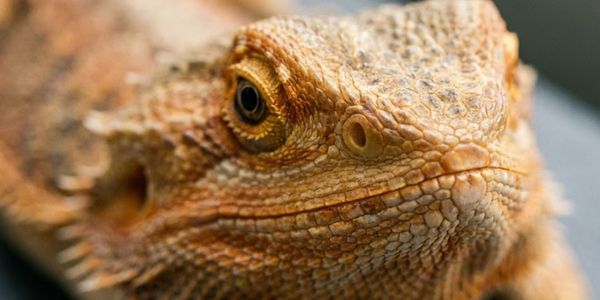
Clear nasal discharge. Not thick or colored yet, just occasional clear fluid from the nostrils. Most people dismiss this as "nothing" until it becomes "definitely something."
Increased breathing rate. Subtle at first, your reptile breathes slightly faster than normal, but not dramatically. Requires actually knowing what normal looks like.
Lethargy and decreased appetite. Could be multiple issues, but combined with respiratory symptoms, it's significant. Reptiles feeling unwell often stop eating before other signs appear.
Occasional sneezing or throat clearing. Not constant yet, just periodic attempts to clear airways. According to veterinary observations, this indicates irritation in the upper respiratory tract.
Subtle behavioral changes. Spending more time in hiding, avoiding basking areas, or positioning themselves differently. Reptiles don't complain verbally, behavioral changes are their communication.
If you're noticing these signs, don't wait to "see if it gets better." It won't. Respiratory infections progress, they don't spontaneously resolve.
Advanced Symptoms Nobody Wants to See
When URIs progress to lower respiratory infections, pneumonia, symptoms become impossible to ignore. At this stage, we're talking veterinary emergency, not "maybe I should call someone."
Open-mouth breathing. This is a reptile in respiratory distress. According to reptile veterinarians, if your reptile is breathing with its mouth open (and it's not just thermoregulating at basking temperatures), it cannot get adequate oxygen through normal breathing.
Thick, discolored nasal discharge, yellow, green, or cloudy white. Mucus may bubble around nostrils when breathing. This indicates significant bacterial infection producing inflammatory exudate.
Audible breathing sounds. Wheezing, clicking, crackling, or other respiratory noises mean fluid or mucus is present in airways. Research shows these sounds correlate with lung involvement, that's pneumonia territory.
Extended neck and head. Particularly obvious in turtles and tortoises, they stretch their necks out attempting to open airways and get more air. Studies describe this as a classic pneumonia posture.
Mucus or bubbles from the mouth. Excessive salivation combined with respiratory distress. Often accompanies concurrent stomatitis (mouth rot), which frequently develops alongside respiratory infections.
Buoyancy problems in aquatic species. Turtles floating lopsided or unable to submerge properly indicates lung consolidation on one side, fluid accumulation preventing normal lung function.
Severe lethargy and refusal to eat. Complete appetite loss and minimal movement. At this stage, systemic infection may be present, bacteria spreading beyond the respiratory tract.
Species-Specific Considerations
While any reptile can develop respiratory infections, certain species show up in emergency vet clinics more frequently than others, usually the "beginner-friendly" ones.
Bearded dragons. Prone to respiratory infections when temperatures drop or humidity is mismanaged. Their popularity means lots of them end up in improper setups.
Tortoises and turtles. Particularly susceptible to vitamin A deficiency-related respiratory disease. According to veterinary studies, aquatic turtles with pneumonia often have underlying nutritional deficiencies compounding the infection.
Chameleons. High stress susceptibility and specific environmental needs make them vulnerable. Respiratory infections in chameleons progress rapidly, their high metabolic rate works against them.
Ball pythons. Common in the pet trade, frequently kept in inadequate temperatures. Research shows respiratory infections are among the top health issues in captive ball pythons.
Iguanas. Large herbivores with specific humidity and temperature requirements. Juveniles are particularly vulnerable during growth periods when nutritional demands are high.
Diagnosis: What Actually Happens at the Vet
If you've recognized symptoms and booked a veterinary appointment (congratulations on being responsible), here's what diagnostic process typically involves.
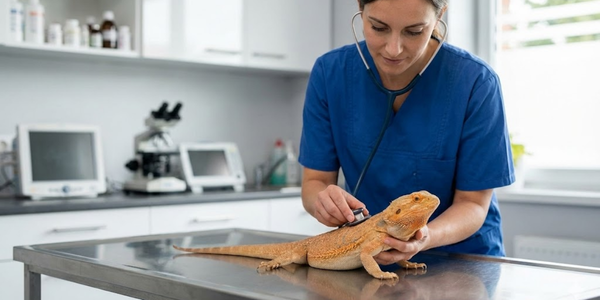
Physical examination. Veterinarians assess breathing pattern, listen to lungs with a stethoscope (yes, reptile lungs make sounds), check for nasal discharge, and evaluate body condition.
Radiographs (X-rays). According to veterinary protocols, X-rays are essential for diagnosing pneumonia in reptiles. They reveal fluid accumulation in lungs, increased lung density, or other abnormalities invisible during physical exam.
Culture and sensitivity testing. Collecting discharge samples or performing tracheal washes to identify specific bacteria and determine which antibiotics will actually work. Not all antibiotics are effective against all bacteria, guessing wrong wastes time the animal doesn't have.
Bloodwork. Complete blood counts and chemistry panels assess overall health, immune response, and organ function. Elevated white blood cells indicate active infection.
Husbandry review. Expect detailed questions about temperatures, humidity, diet, enclosure setup, and maintenance practices. Research shows proper diagnosis requires understanding environmental factors contributing to disease.
Be honest about husbandry. Your vet isn't judging you, they need accurate information to treat effectively. Lying about temperatures or humidity helps no one, especially not your reptile.
Treatment: What Fixing This Actually Looks Like
Treating respiratory infections requires both medical intervention and immediate husbandry corrections. You cannot medicate your way out of bad husbandry, if the environment that caused the infection isn't fixed, treatment will fail.
Medical Treatment
Injectable antibiotics. Most commonly enrofloxacin (Baytril) or ceftazidime, administered via injection. According to veterinary pharmacology studies, injectable antibiotics are strongly preferred over oral for reptiles, better absorption, accurate dosing, more effective.
Treatment courses typically run 14-21 days minimum, sometimes longer for severe cases. Yes, that means multiple vet visits for injections unless you're taught to administer them at home (which is increasingly common for experienced keepers).
Nebulization therapy. Using nebulizers to deliver medication or saline directly to airways. Research shows nebulization with diluted antimicrobials combined with mucolytics (like acetylcysteine) helps mobilize mucus and deliver treatment to affected tissues.
Typically performed 15-20 minutes twice daily. Requires either specialized equipment or veterinary clinic visits, this isn't a "figure it out yourself" situation.
Anti-fungal medications. If fungal infection is identified (less common but occurs, particularly with poor environmental conditions), medications like itraconazole are used. Treatment duration is often longer than bacterial infections.
Supportive care. Fluid therapy to maintain hydration, nutritional support if appetite is lost, oxygen therapy for severe respiratory distress. Studies show supportive care significantly impacts recovery outcomes.
Vitamin A supplementation. Particularly for turtles and tortoises with confirmed or suspected deficiency. According to reptile nutrition research, addressing underlying deficiencies is crucial for recovery.
Critical Husbandry Corrections
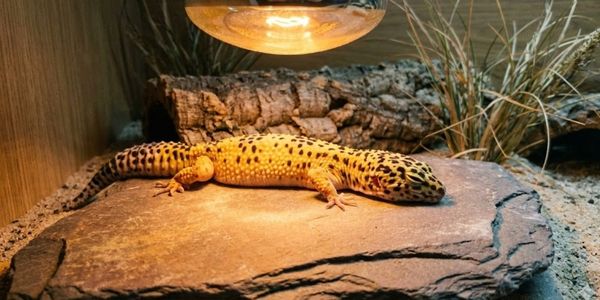
Temperature increase. Reptiles with respiratory infections must be maintained at the upper end of their preferred temperature range, typically 2-5°F higher than normal basking temperatures.
For accurate basking spot monitoring, the Zoo Med ReptiTemp Digital Infrared Thermometer allows instant temperature readings without disturbing your reptile, essential for confirming your heating setup actually reaches therapeutic temperatures.
Research consistently shows elevated temperatures stimulate immune function, help thin respiratory secretions, and ensure proper antibiotic metabolism. This isn't optional, it's essential for treatment success.
Humidity optimization. Adjust to species-appropriate levels with adequate ventilation. Too high causes problems, too low also causes problems, accuracy matters.
Stress reduction. Minimize handling, provide hiding spots, reduce visual stressors, separate from other animals. Studies show stress hormones suppress immune function and impair healing.
Enhanced hygiene. Daily spot cleaning, complete substrate changes, disinfecting water bowls, removing waste immediately. Reducing pathogen exposure allows the immune system to focus on existing infection.
Nutritional support. Offering highly palatable foods, ensuring proper supplementation, providing variety. According to veterinary nutrition guidelines, maintaining caloric intake supports immune function during illness.
Prevention: The Part That Actually Matters
Here's the reality: respiratory infections are almost entirely preventable. They develop when husbandry is inadequate, fix the husbandry, prevent the infections. Groundbreaking concept.
Maintain Proper Temperatures
Use accurate digital thermometers with probes, not stick-on strips that decoratively display fantasy numbers. Provide appropriate basking spots and thermal gradients for your specific species.
A thermostat-controlled heat lamp like the REPTI ZOO reptile light fixture maintains consistent basking temperatures automatically, preventing the temperature drops that compromise immune function and allow infections to establish.
The Govee Bluetooth Thermometer Hygrometer tracks temperature and humidity trends over time via smartphone app, making it easier to identify the environmental fluctuations that research shows contribute to respiratory infections.
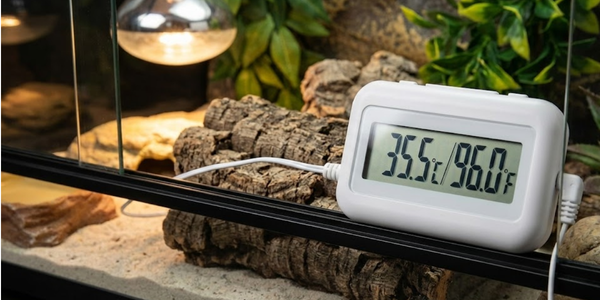
Check temperatures daily. Bulbs burn out, thermostats fail, seasons change, assuming everything is fine without verification is how problems develop.
Research on reptile thermal biology emphasizes that appropriate temperatures are the foundation of reptile health. Get this wrong, and everything else fails eventually.
Appropriate Humidity with Ventilation
Species-specific humidity ranges aren't suggestions, they're requirements developed from understanding natural habitats and physiological needs.
Use digital hygrometers for accurate readings. Provide airflow through mesh tops or ventilation ports, stagnant humidity breeds problems regardless of percentage.
Studies show proper humidity management prevents both dessication of respiratory tissues and excessive moisture that promotes pathogen growth.
Reduce Stress
Appropriate enclosure size, adequate hiding spots, proper substrate depth, minimal handling during acclimation periods. Research demonstrates chronic stress directly impacts disease susceptibility.
Individual housing for most species, cohabitation increases stress and disease transmission unless you're an experienced breeder with appropriate space.
Proper Nutrition
For species requiring vitamin A supplementation (particularly turtles and tortoises), Fluker's Repta-Vitamin provides essential vitamins that research confirms are crucial for maintaining healthy respiratory tract tissues.
According to nutritional studies, vitamin A deficiency specifically predisposes reptiles to respiratory disease by compromising respiratory tract epithelial integrity.
Maintain Hygiene
Regular cleaning schedules, removing waste promptly, disinfecting surfaces appropriately, fresh water daily. Maintaining proper hygiene requires effective disinfection, Absolutely Clean's Reptile Terrarium Cleaner removes organic waste and reduces pathogen loads without harsh chemical residues that could irritate respiratory systems.
Research on reptile environmental microbiology shows pathogen loads directly correlate with maintenance practices.

This isn't complicated, it's just consistency. Most people fail at consistency, not knowledge.
Quarantine New Additions
All new reptiles should be quarantined separately for minimum 60-90 days. Observe for symptoms, ensure they're eating and defecating normally, confirm no disease signs before introducing to other animals.
Studies on disease transmission in captive reptiles show quarantine protocols significantly reduce infection spread. Skip this step, and one sick animal compromises your entire collection.
When It's Already Too Late
Let's address the uncomfortable reality: not all respiratory infections are survivable. Even with aggressive veterinary treatment, some cases are too advanced.
According to veterinary outcome studies, prognosis depends heavily on how early treatment begins. Early URIs caught before lung involvement: good prognosis. Advanced pneumonia with systemic infection: guarded to poor prognosis.
Severe respiratory distress despite treatment. If oxygen therapy and maximum treatment aren't improving breathing, lung damage may be irreversible. Reptile veterinarians describe this as the point where supportive care transitions to palliative care.
Secondary organ failure. Severe infections sometimes spread systemically, causing kidney damage, liver compromise, or sepsis. Once multiple organs are failing, recovery becomes extremely unlikely.
Chronic structural lung damage. Severe pneumonia can cause permanent lung scarring or damage. Research shows some reptiles survive the infection but have reduced lung capacity permanently, they may live but never function normally.
Viral respiratory infections. Some viruses affecting reptiles have no specific treatment. Supportive care helps, but outcomes depend entirely on the reptile's immune system fighting off the infection independently.
The "too late" point varies by species, infection severity, and overall health status. This is why early intervention matters, waiting to "see if it improves" often means presenting to the vet when treatment success rates are already compromised.
The Cost Reality
Let's talk numbers, since prevention apparently needs financial justification.
Proper thermometers and hygrometers: $25-40. Appropriate heating equipment with thermostat: $50-100. Quality diet and supplements: $15-30 monthly.
Treating respiratory infections: diagnostic X-rays ($100-200), culture testing ($75-150), injectable antibiotics over 2-3 weeks ($200-400), follow-up visits ($50-100 each), potential hospitalization for severe cases ($300-800+). Total: easily $600-1,500, significantly more for advanced pneumonia requiring intensive care.
According to veterinary cost analyses, prevention is exponentially cheaper than treatment. And that doesn't account for the animal's suffering or mortality risk.
Somehow people balk at buying a $30 digital thermometer but don't think twice about the initial reptile purchase. Math continues not mathing.
Common Myths That Need Correction
"Respiratory infections will clear up on their own." No. Research unequivocally shows reptile respiratory infections require treatment. The immune system cannot overcome established bacterial infections without assistance, particularly when underlying husbandry issues persist.
"I can treat it with over-the-counter antibiotics." Absolutely not. Reptiles require specific antibiotics at specific dosages based on their unique physiology. Human or other animal medications cause more harm than good, wrong drugs, wrong doses, wrong delivery methods.
"Extra humidity will help them breathe better." Only if humidity was too low to begin with. Excessive humidity with respiratory infections worsens bacterial growth. According to treatment protocols, appropriate humidity is necessary, not excessive.
"Respiratory infections are just a cold, no big deal." Reptiles don't get "colds." What presents as upper respiratory symptoms rapidly progresses to life-threatening pneumonia without treatment. Studies show untreated respiratory infections have high mortality rates.
"Natural remedies can cure respiratory infections." Essential oils, homeopathy, and other alternative treatments have no scientific evidence supporting efficacy against bacterial respiratory infections. Veterinary research emphasizes evidence-based medicine, antibiotics work, wishful thinking doesn't.
What I've Learned From Seeing This Repeatedly
Respiratory infections follow predictable patterns: inadequate temperatures, improper humidity, delayed symptom recognition, late veterinary intervention, preventable progression to pneumonia.
The frustrating part? This is almost entirely preventable. Every case represents husbandry that could have been correct from the start.
Research consistently demonstrates that appropriate temperatures, species-specific humidity, proper nutrition, good hygiene, and stress reduction prevent respiratory infections in captive reptiles. None of these requirements are particularly complex or expensive.
What they do require: accurate monitoring equipment, consistent maintenance, prompt response to symptoms, and willingness to seek veterinary care early. Apparently that's where many people decide "low-maintenance pet" means "I can ignore warning signs."
If you're not willing to maintain proper temperatures and monitor your reptile's health, you're not ready for reptile ownership. Consider a pet rock, they don't develop pneumonia from neglect, and the vet bills are substantially lower.
For those who actually maintain proper care: your reptile will likely never develop a respiratory infection. It really is that straightforward, though apparently not straightforward enough judging by emergency clinic case loads.
🐾 Frequently Asked Questions
Q Can respiratory infections in reptiles go away on their own?
No. Unlike mammals that might fight off minor respiratory issues independently, reptiles with established respiratory infections require veterinary treatment and antibiotics. Their immune systems don't work the same way, research shows they need higher body temperatures to mount effective immune responses, and even with optimal conditions, bacterial infections don't spontaneously resolve. What looks like "getting better" is usually just a temporary plateau before it gets significantly worse. URIs progress to pneumonia without treatment, and pneumonia is life-threatening. If you're seeing respiratory symptoms, book the vet appointment instead of hoping it magically improves.
Q How quickly do respiratory infections progress in reptiles?
Variable, but faster than most people expect. Upper respiratory infections can progress to pneumonia within days to weeks depending on the species, severity of husbandry issues, and the reptile's overall health. Smaller reptiles with higher metabolic rates (like chameleons) can deteriorate rapidly, sometimes within 48-72 hours. Larger species like tortoises might progress more slowly, but they're also experts at hiding symptoms until the infection is advanced. The danger is that early symptoms are subtle enough that people miss them or dismiss them as "nothing serious." By the time breathing difficulties are obvious, significant lung involvement has likely occurred. This is why prompt veterinary care at first symptoms matters.
Q What's the difference between an upper and lower respiratory infection?
Upper respiratory infections (URI) affect the nasal passages, throat, and upper airways, symptoms include nasal discharge, occasional sneezing, and mild breathing changes. Lower respiratory infections involve the lungs, that's pneumonia, characterized by open-mouth breathing, severe respiratory distress, audible breathing sounds, and systemic illness. URIs are serious and require treatment, but reptiles can often continue eating and functioning somewhat normally. Lower respiratory infections are medical emergencies with significantly worse prognosis. The problem: URIs frequently progress to lower respiratory infections if left untreated. Catching and treating at the URI stage dramatically improves outcomes compared to waiting until pneumonia develops.
Q Can I use a humidifier to help my reptile with a respiratory infection?
It depends on the underlying cause and current humidity levels. If the infection developed partially because humidity was too low, bringing it to appropriate species-specific levels may help, but this should be done alongside veterinary treatment, not instead of it. However, excessive humidity can actually worsen bacterial respiratory infections by creating ideal pathogen growth conditions. What matters more than just "adding humidity" is maintaining appropriate humidity with adequate ventilation, stagnant moisture breeds problems. Your vet may recommend nebulization therapy, which is different from just humidifying the air. Bottom line: adjust humidity to proper species requirements, ensure good airflow, and get actual veterinary treatment rather than hoping environmental changes alone will cure an active infection.
Q Why do reptiles need injectable antibiotics instead of pills?
Reptile digestive systems absorb oral medications inconsistently and slowly compared to mammals. Studies show injectable antibiotics provide more reliable blood levels, faster action, and guaranteed dosing, you know exactly how much medication entered the system. Oral medications might be partially digested, might not absorb fully, or might be regurgitated without you noticing (especially in sick reptiles with reduced appetite). For respiratory infections where timing matters and consistent therapeutic drug levels are critical, injectable routes are strongly preferred by veterinary medicine. Plus, sick reptiles often refuse food, making oral medication administration through food impossible anyway. Yes, it means more vet visits or learning to give injections at home, but it significantly improves treatment success rates.

📖 Related Articles

How to find & choose an exotic veterinarian: 5 Deadly Mistakes Owners Make in 2026
💬 Comments (0)
No comments yet. Be the first to share your thoughts! 👇
✍️ Leave a Reply